Lifestyle
Off the road: AI tools and tutorials, software, gadgets and everyday notes.
Browse by topic
AI tools
From glossary entries and tool comparisons to coding agents and local models: every step of putting AI to work, written to be followed.
Tutorials
Apps & software
Set-up, comparisons and alternatives for apps and software.
Gadgets
Productivity
Everyday life
Money & finance
Understand where the money goes: budgeting, banking and cards, tax and insurance, investing basics. Methods and rules, never product picks.
Websites & e-commerce
Build and run your own site: WordPress, WooCommerce, domains, hosting and front-end basics, from zero to live.
Marketing & SEO
Getting content seen: SEO, ads and affiliate programmes, and how to run content and a brand.
Tech & industry
Chips, devices, platforms and telecoms: verified facts and dates, never a recommendation.
All articles
Lifestyle
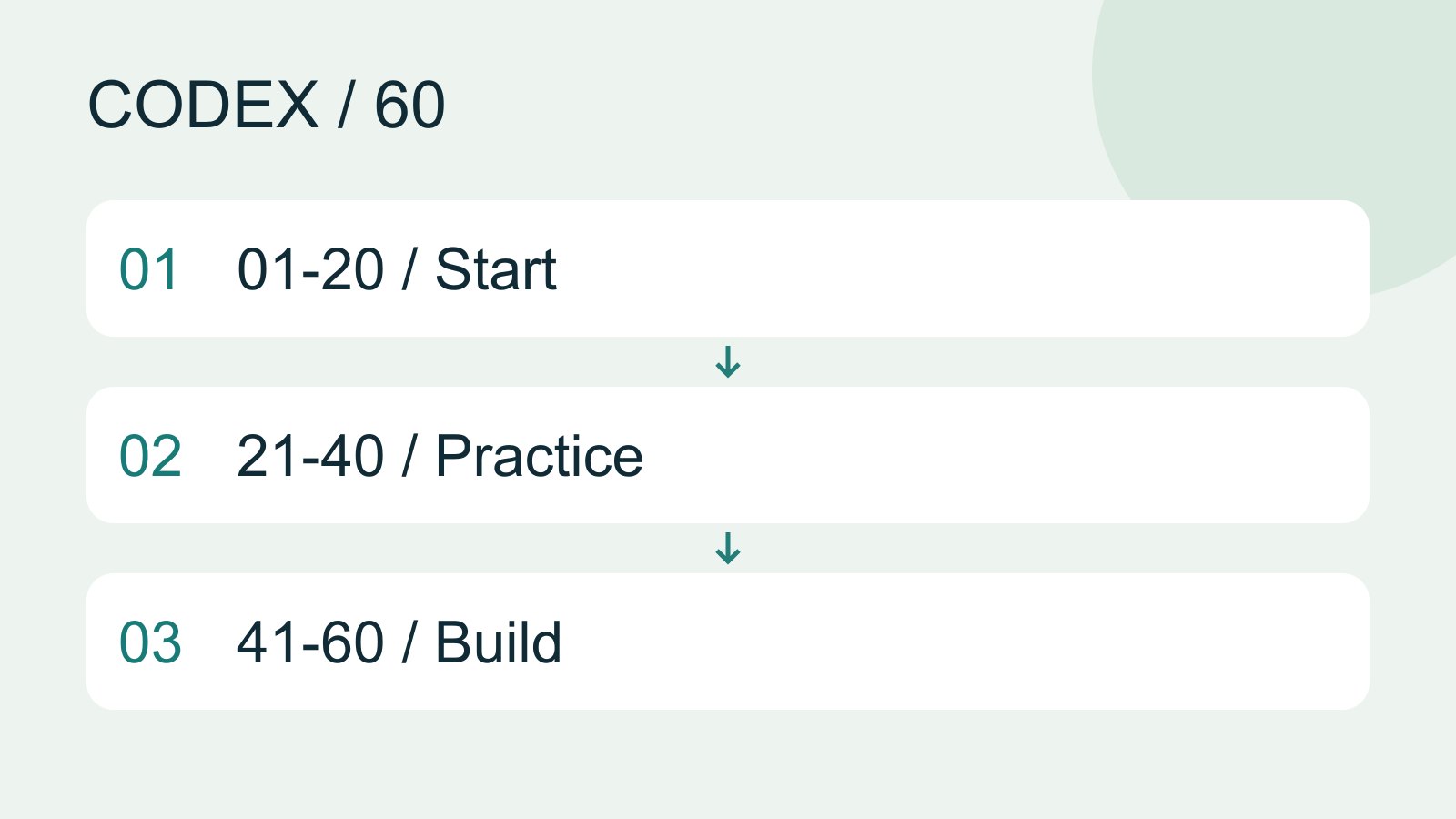
Codex learning hub: tutorial directory
A planned 60-lesson, ten-unit Codex curriculum, from setup and your first task to MD instructions and advanced integrations. Find your next lesson by experience, platform, goal or command; unpublished entries show their status.
- AI tools
- Tutorials
- Codex
Lifestyle
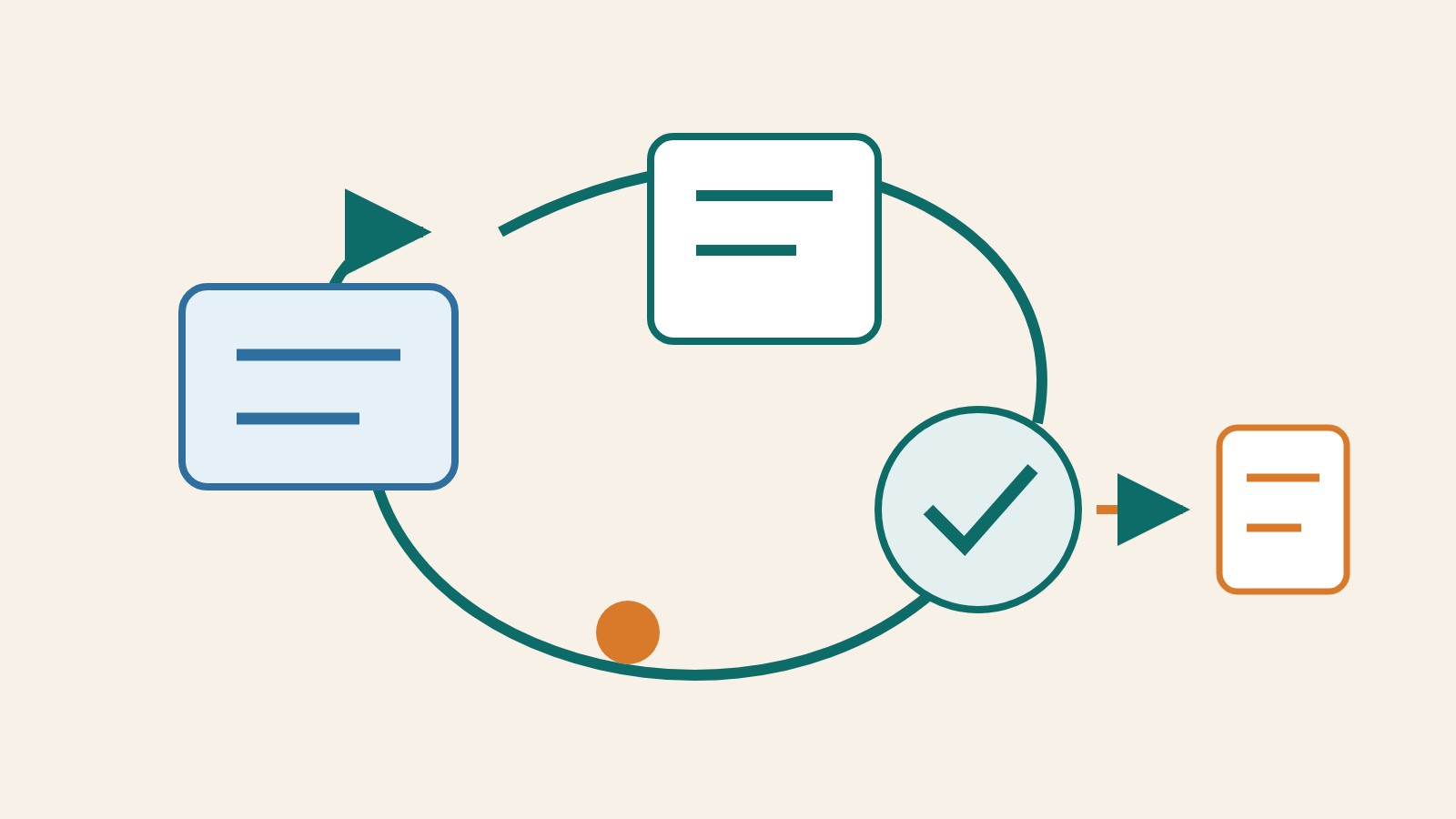
Agentic Retrieval-Augmented Generation (Agentic RAG): When to Search Again
Agentic RAG lets models make retrieval decisions, choosing sources, rewriting queries or searching further based on the question and available evidence. Using a concrete LangGraph workflow and a comparison of venue-use conditions, this article contrasts it with fixed RAG and explains stopping criteria, permissions, query logs and cost control. Learn to judge whether a task needs dynamic exploration or a predictable fixed workflow is enough.
- AI tools
- Tutorials
- AI glossary
Lifestyle
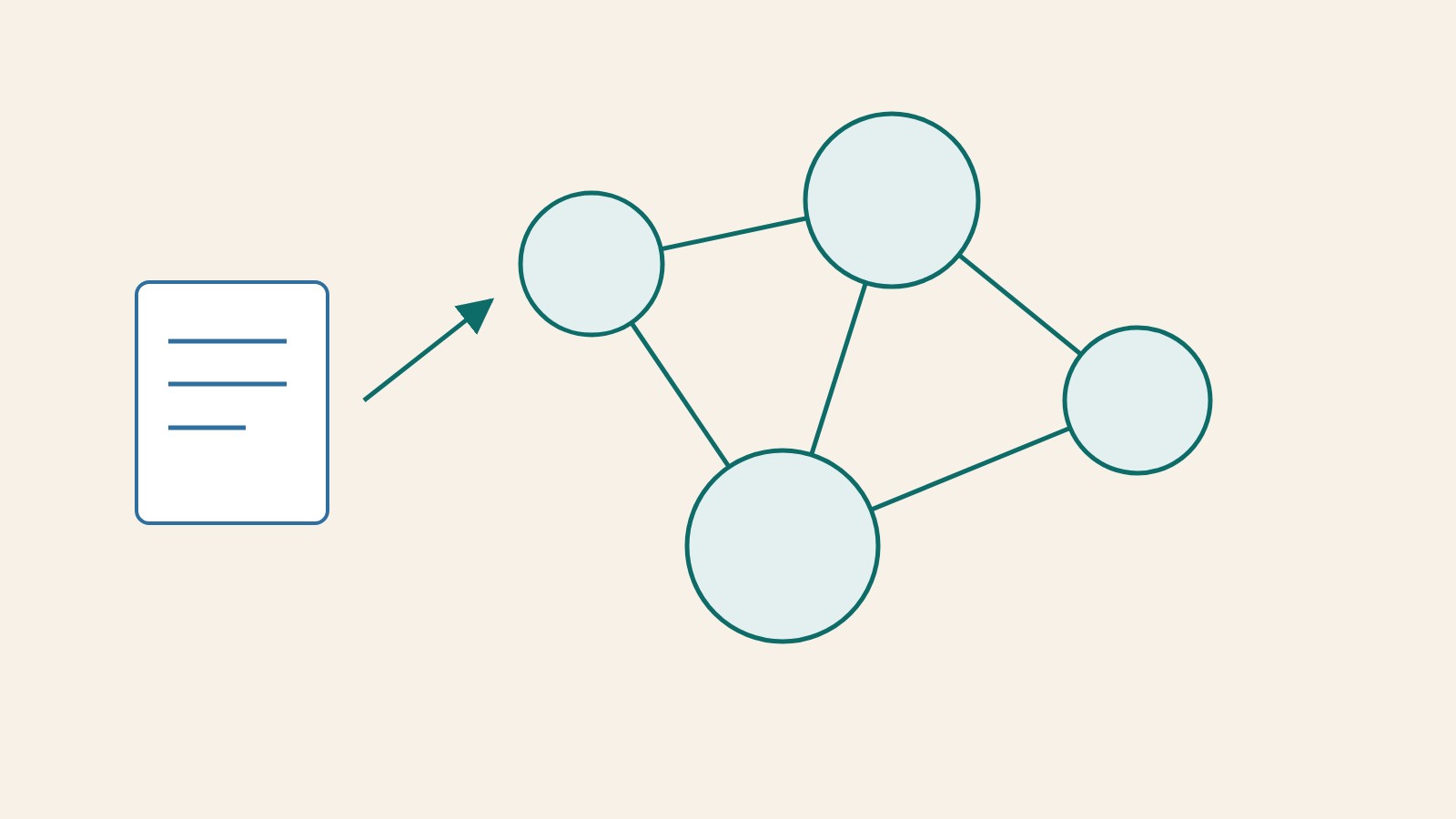
Graph Retrieval-Augmented Generation (GraphRAG): Understanding a Document Collection Through Relationships
GraphRAG uses entities and relationships in retrieval to answer questions about cross-document connections and overall themes. Drawing on Microsoft's original paper and official docs, this article explains entity extraction, community summaries, and local and global search, using local event records to show why different questions need different paths. It also shows how missing links, mistaken name merges, and distorted summaries affect answers: a pretty graph is not verified fact.
- AI tools
- Tutorials
- AI glossary

Lifestyle
Knowledge Graphs: Making Entities and Relationships Clear
Knowledge graphs organize entities and relationships to trace who took part in what, where and when through links. Using community events, this article covers entity identity, relationship direction, sources and time; compares Resource Description Framework (RDF) and property graphs; and explains why graphs are not equivalent to visualizations or reliable facts. Learn when to build one and how it works with tables, vector search and graph retrieval-augmented generation (GraphRAG).
- AI tools
- Tutorials
- AI glossary
Lifestyle
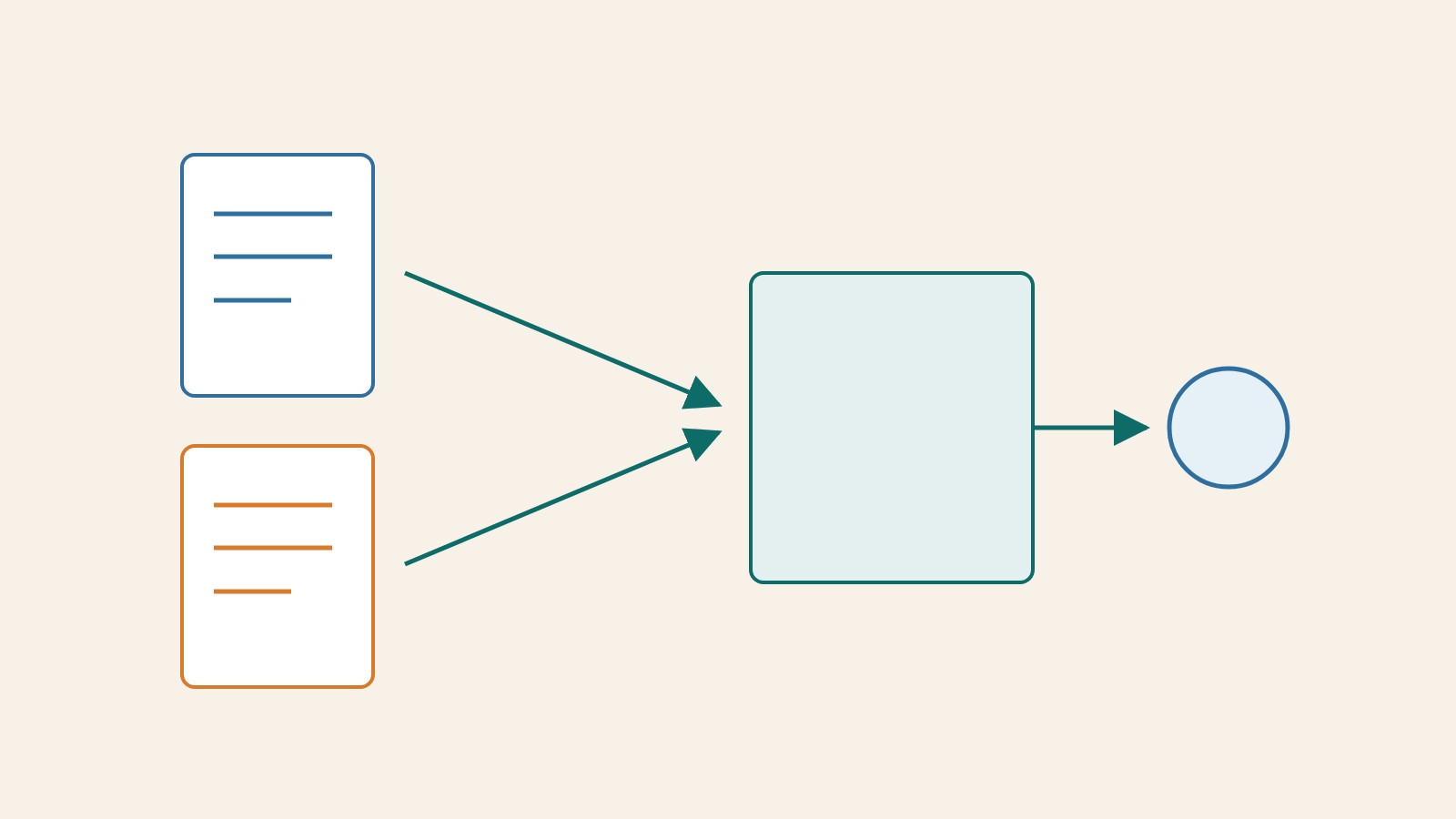
Hybrid Search: Balancing Exact Terms and Meaning
Hybrid search merges full-text, vector and other retrieval results to cover exact codes and natural-language needs. An equipment-manual query explains candidate retrieval, deduplication, rank fusion and reranking, including how Reciprocal Rank Fusion (RRF) merges results by rank. Hybrid search is not always more accurate. Learn to test quality with code, paraphrase and no-answer queries and spot biases from permissions, filters and duplicate content.
- AI tools
- Tutorials
- AI glossary

Lifestyle
What Is Retrieval-Augmented Generation (RAG)? Answers with Verifiable Evidence
Retrieval-augmented generation retrieves relevant external content for a language model to compose an answer. Using Q&A on event registration rules, this article explains indexing, retrieval, generation and source checking, compares it with search and fine-tuning, and shows why cited answers can still be wrong. Learn to distinguish outdated data, missing documents and overinterpreted evidence, and when to retain “I don't know.”
- AI tools
- Tutorials
- AI glossary

Lifestyle
Reranking: From Finding Results to Putting Good Answers First
Reranking reassesses first-pass search candidates for relevance and is often used to improve search lists and RAG context quality. Using library loan rules, this article shows how retrievers and cross-encoders share the work and explains missing candidates, input truncation, and relevance scores versus truth checks. Learn when to broaden retrieval, fix chunks, or add reranking, and use suitable tests to avoid needless waiting for better rankings.
- AI tools
- Tutorials
- AI glossary

Lifestyle
Semantic Search: Finding Relevant Content Through Different Wording
Semantic search seeks data by query and content meaning, not just matching words. Customer support examples explain query encoding, document representations and candidate ranking; distinguish similarity from meeting actual needs; and show limits with negation, specific codes, cross-language search and unanswerable queries. Learn where to improve search—embedding models, data preparation, hybrid search or reranking—without mistaking natural-language answers for search itself.
- AI tools
- Tutorials
- AI glossary

Lifestyle
What Is an Embedding? Mapping Content into a Space for Comparison
Embeddings are numeric representations that models create from text and other content, often for semantic search, classification and clustering. Using “Where can I go when it rains?”, this article covers encoding, similarity and candidates; why vector distance does not indicate truth and dimensions may lack clear labels; and the effects of model versions, language ability and long-text truncation. Learn the distinct roles of embeddings, vector databases and answer generation.
- AI tools
- Tutorials
- AI glossary

Lifestyle
What Is Zero-shot Prompting? Start by Defining the Task Clearly
Zero-shot prompting asks a model to work from rules and new data without solved examples. It does not mean the model was never trained or that prompts cannot include data. Using appliance instructions, this article explains how to define output fields, handle missing information, and set the scope of judgment, and compares the uses of few-shot prompts and retrieved data. A comparison table and test procedure show when asking directly is enough and when examples are needed.
- AI tools
- Tutorials
- AI glossary

Lifestyle
What Is Multimodal AI? Understanding Images, Sound and Text Together
Multimodal AI handles multiple forms—text, images, audio or video—but supporting multiple inputs does not imply every output type. Using storage shelf assembly, this article explains how images and text complement each other, native integration versus chained tools, and why models can still miss image details. Input design and cross-checking methods help you tell whether answers reflect the image or mistake plausible guesses for observed facts.
- AI tools
- Tutorials
- AI glossary

Lifestyle
What Is Few-shot Prompting? Clarifying Formats with Examples
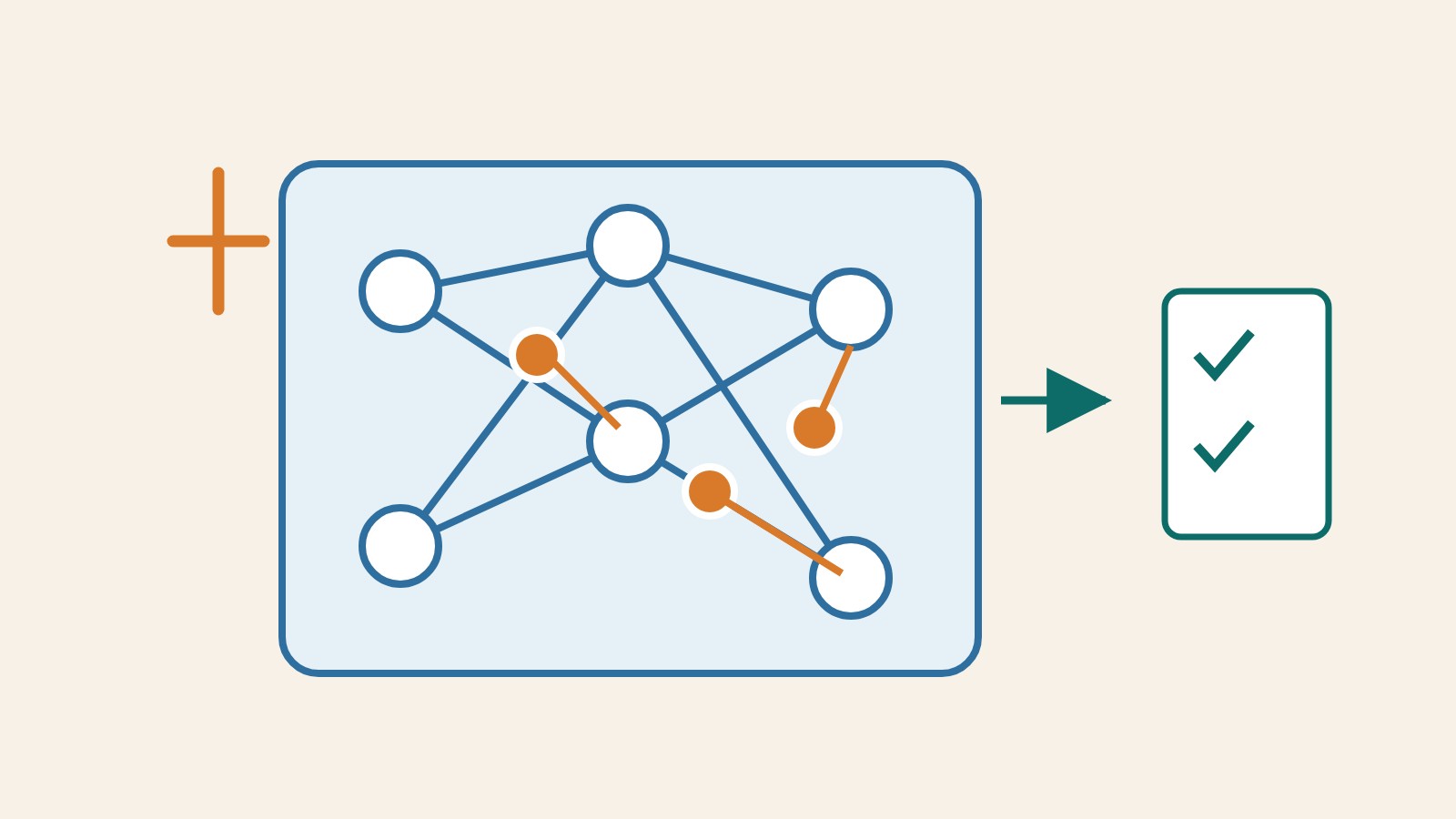
Few-shot prompting gives a model a few examples in the same input to guide its work on new data; it is not retraining. Using lost-and-found classification, this article shows how to choose typical, boundary, and missing-data cases so the model does more than mimic wording. Tests, a comparison table, and original diagrams explain when to add examples, when to revise classification rules first, and why examples must be kept separate from validation data.
- AI tools
- Tutorials
- AI glossary
Lifestyle
Fine-tuning: Adapting an Existing Model to Your Task
Fine-tuning continues training an existing model to fit a task or domain. Using support email classification, this article covers data preparation, parameter updates, held-out test sets and version deployment; distinguishes full fine-tuning, LoRA, supervised fine-tuning and RAG; and explains why training gains can mask real-world decline. Learn to judge whether fine-tuning is worthwhile and check format consistency, unknown types, data leakage and loss of prior abilities.
- AI tools
- Tutorials
- AI glossary

Lifestyle
What Is Tokenization? Splitting Text Before It Enters a Model
Tokenization converts raw text into tokens and IDs; it is not the same as finding grammatical words in Chinese sentences. Using a breakfast-shop menu, this article explains how vocabularies, subwords, spaces and normalization affect results, distinguishes BPE, Unigram and tokenization tools, and shows how to check Traditional Chinese, mixed languages and rare symbols. Learn to tell whether a problem lies in text splitting, model understanding or file reading.
- AI tools
- Tutorials
- AI glossary

Lifestyle
What Is a Foundation Model?
Foundation models train on broad data and adapt to many downstream tasks; parameter count alone does not define them, nor are they complete chat products. Using Stanford CRFM's definition and a community inbox's classification, summaries and search, this article explains how shared models underpin different applications, distinguishes them from LLMs, generative AI and open weights, and clarifies the boundaries between model capabilities, application adaptation and actual deployment.
- AI tools
- Tutorials
- AI glossary
Lifestyle
Supervised Fine-Tuning (SFT): Teaching Models Tasks with Good Examples
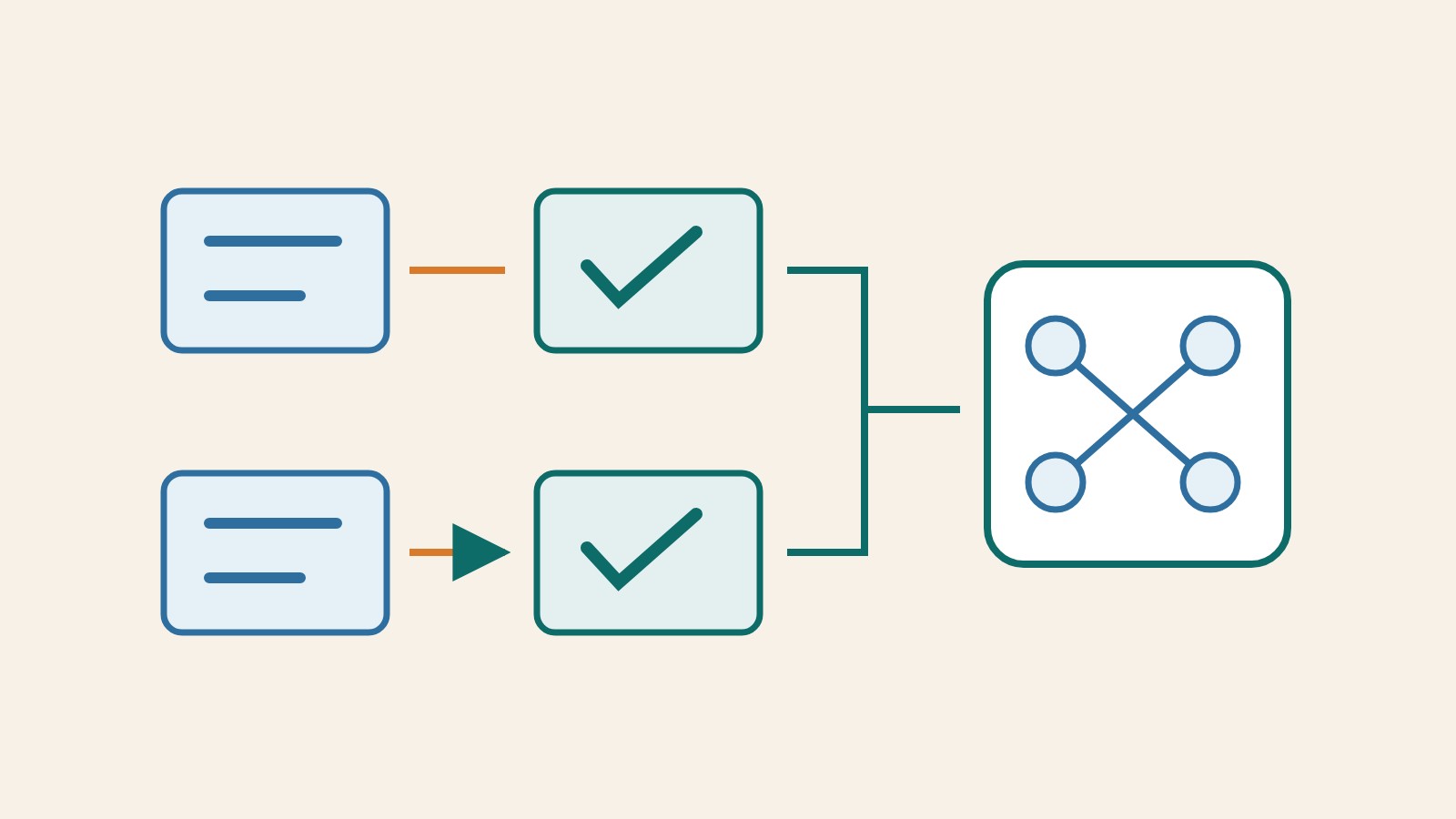
Supervised fine-tuning trains existing models on input–desired output examples for more consistent task behavior. Meeting action items illustrate data pairing, conversation roles, loss calculation and held-out test sets; distinctions from few-shot prompting, LoRA and preference optimization; and how guesses and format errors in examples are learned. Learn to check whether training data teaches models to preserve unknowns, rather than just appear complete.
- AI tools
- Tutorials
- AI glossary
Lifestyle
What Is Overfitting? Acing Past Exam Questions, Failing New Ones
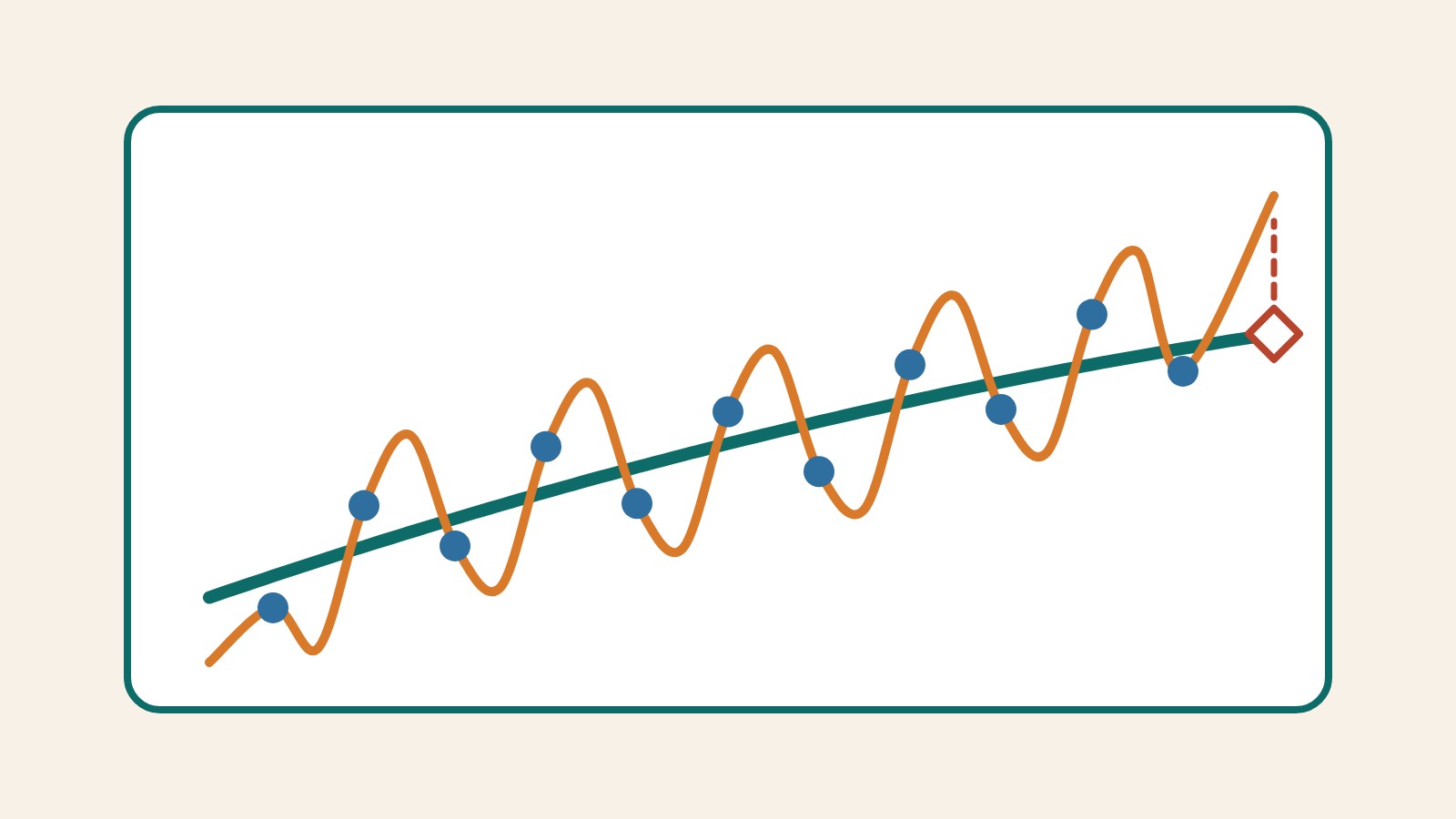
Overfitting means learning even the noise and exceptions in training data: near-perfect training results, poor performance on unseen data. Illustrative error curves explain training, validation and test sets and contrast underfitting. Covers more data, regularization, dropout and early stopping, research on deep networks memorizing random labels, and leaked benchmark questions that make models appear capable.
- AI tools
- Tutorials
- AI glossary

Lifestyle
What Are Model Parameters?
Model parameters are values adjusted during training to map inputs to outputs, such as weights and biases. Simple equations show how they affect predictions and distinguish them from training hyperparameters, prompts and generation settings. Learn why parameter count, numerical precision and active parameters are different metrics, how to read model specs, why more parameters do not mean more individual facts, and why each chat does not mean retraining the model.
- AI tools
- Tutorials
- AI glossary
Lifestyle
What Is Inference? The Computation Behind Every Response After Model Training
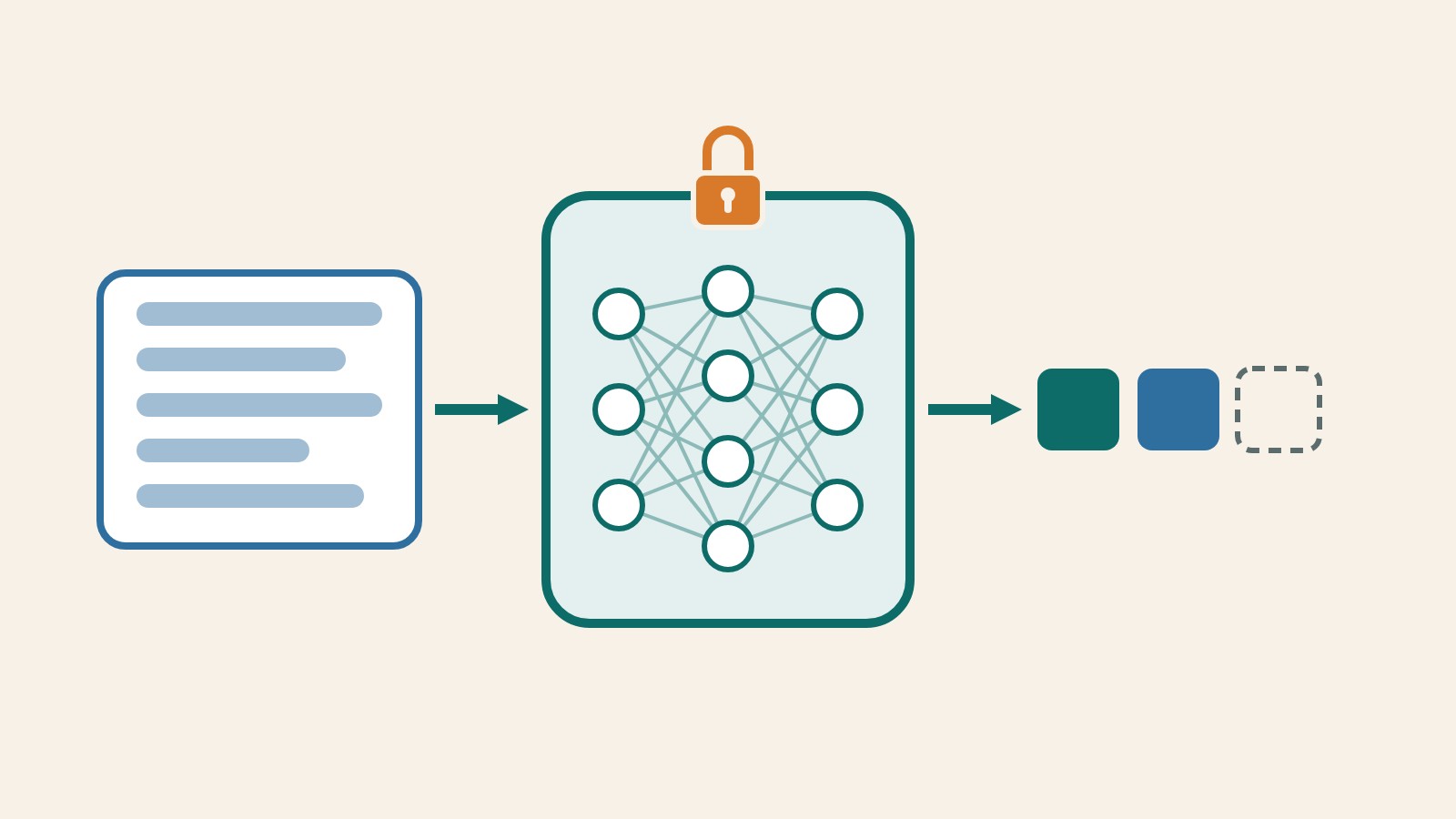
Inference uses a trained model to process new inputs and produce outputs, with weights fixed throughout. This article breaks language model inference into prefill and decode, explains the differences between time to first token, end-to-end latency and throughput, distinguishes inference from reasoning and cloud from local execution, and shows what batching, quantization and caching each save.
- AI tools
- Tutorials
- AI glossary
Lifestyle
Pretraining: Where a Model's Foundational Abilities Come From
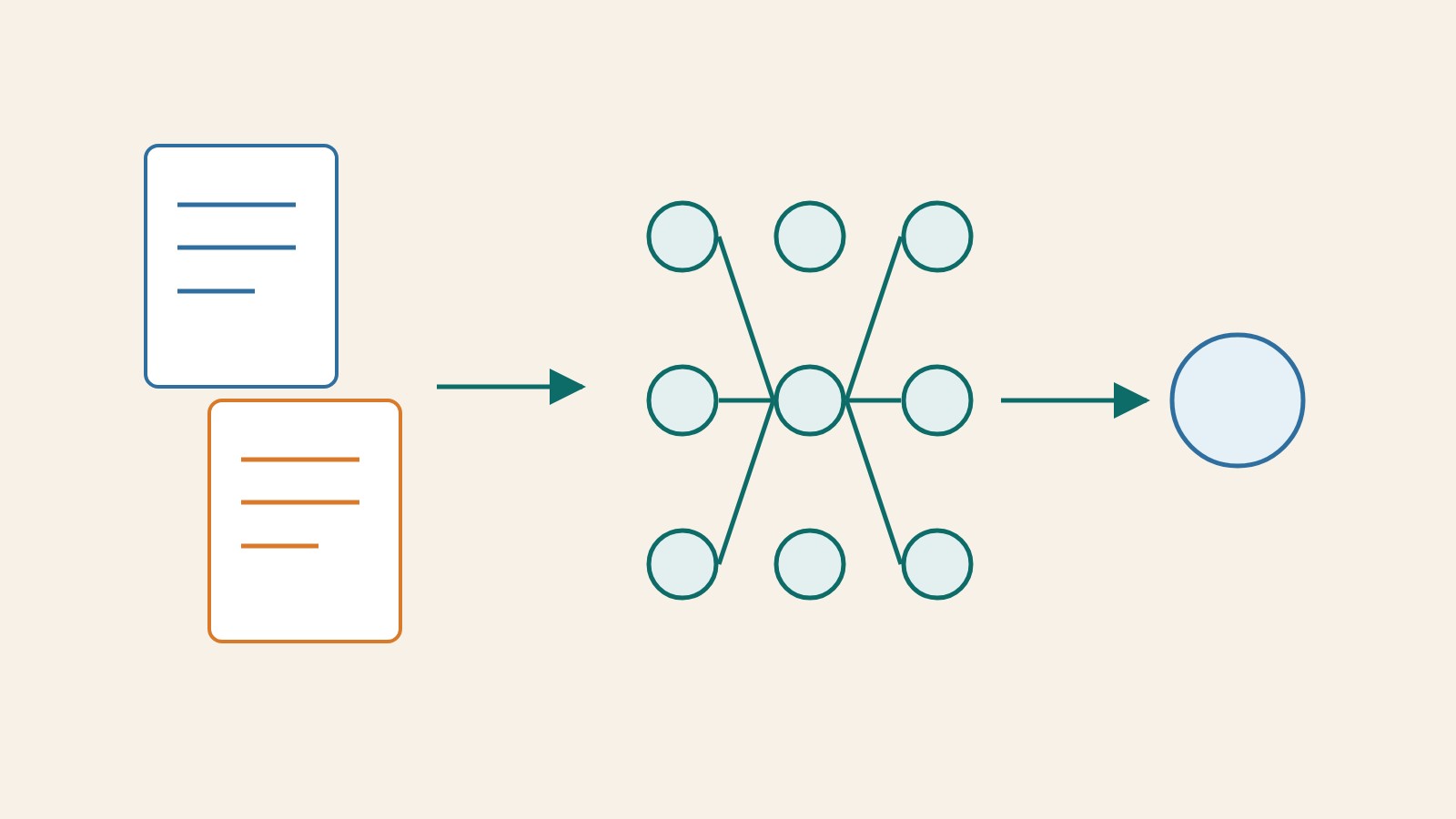
Pretraining lets models learn reusable representations and patterns from large datasets before task-specific adaptation. Examples of next-token prediction and masked-content recovery explain data, objectives and parameter updates. We distinguish pretraining, fine-tuning and context supplied at use, and why learning text does not mean recalling sources or ensuring factual accuracy. Learn the origins of base-model abilities and the effects of training data quality and evaluation contamination.
- AI tools
- Tutorials
- AI glossary

Lifestyle
What Is Attention? How Models Decide Which Tokens to Refer To
Attention compares queries with keys to compute weights for each position in a sequence, then takes a weighted average of values to form a new representation. From 2014 translation alignment to the 2017 Transformer, examples explain Q, K, V, self-attention, cross-attention and multi-head attention. It also examines standard attention's quadratic cost growth with length and why attention weights cannot directly explain a model's reasons.
- AI tools
- Tutorials
- AI glossary

Lifestyle
What Is the Transformer Architecture (Transformer)?
Transformer is a neural network architecture using attention for sequence relations, a basis for many language and multimodal models. Event notices' pronouns and word order show how self-attention, position data, feed-forward networks and masks cooperate, contrasting the original encoder–decoder with later variants. Learn how models use context, why attention weights are neither human attention nor full decision explanations, and why long sequences still incur compute and verification costs.
- AI tools
- Tutorials
- AI glossary

Lifestyle
What Is Generative AI?
Generative AI learns patterns from data to create text, images, sound and more based on inputs. Using publicity for a community secondhand market, this article contrasts generation with classification and search, introduces language models, diffusion and adversarial generation, and explains why plausible content may be untrue. Learn to separate creative needs, facts to retain and human review, and identify outputs that are still drafts awaiting confirmation.
- AI tools
- Tutorials
- AI glossary
Lifestyle
What Is a Neural Network? A Function Built from Layers and Weights That Learns from Data
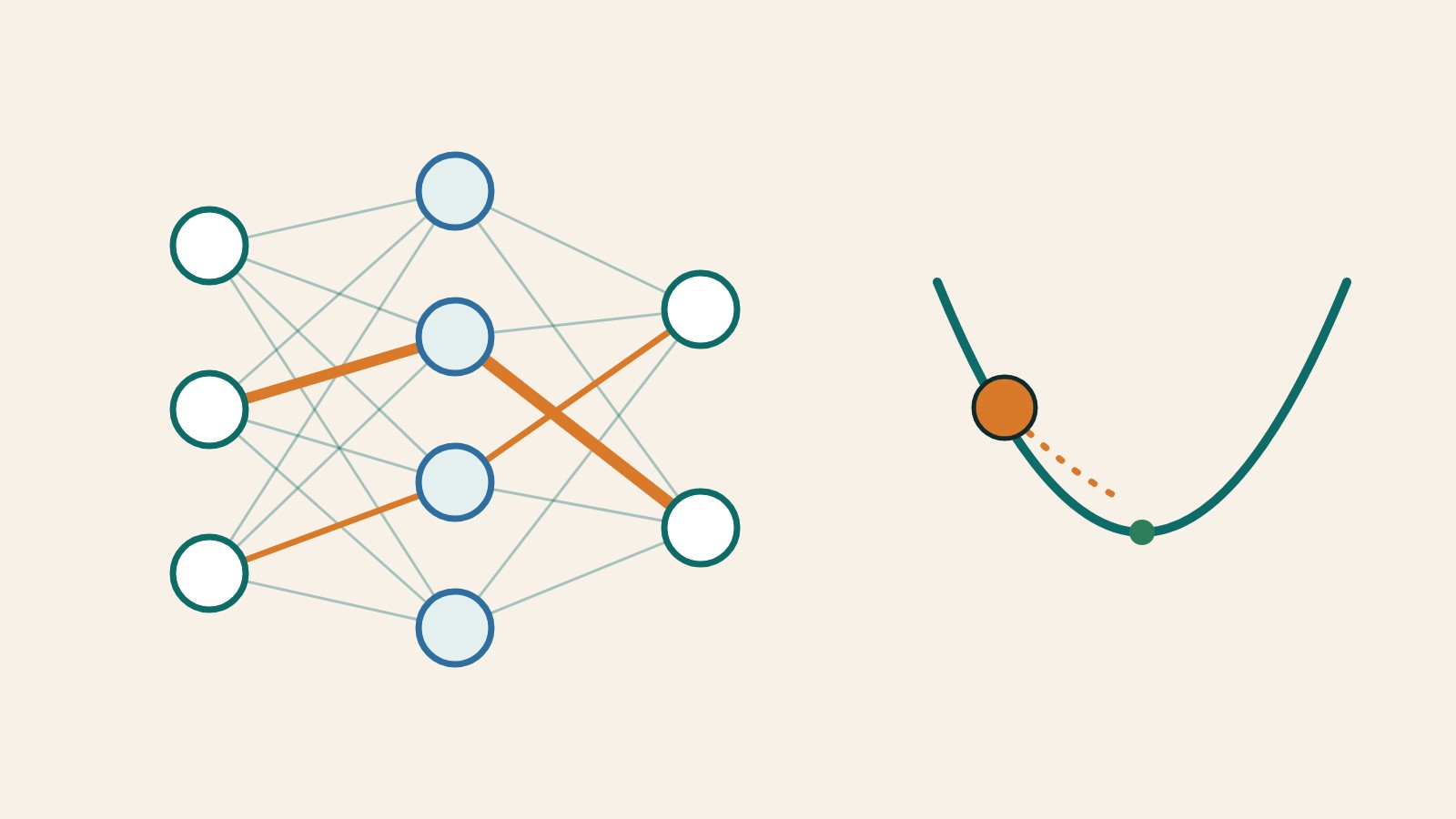
A neural network is a function of layered simple units: each computes a weighted sum, usually followed by a nonlinear transformation, with weights adjusted from data. A hand-calculated two-switch hallway light example explains forward passes, loss, backpropagation and gradient descent, distinguishes training from inference and parameter count from neuron count and capability, and shows how neural networks relate to deep learning and Transformer.
- AI tools
- Tutorials
- AI glossary