Money & finance
Understand where the money goes: budgeting, banking and cards, tax and insurance, investing basics. Methods and rules, never product picks.

Lifestyle
Brazil's Petrobras tests Cardano blockchain to track claims about cleaner jet fuel and diesel
According to CoinDesk, Brazil's state-owned energy company Petrobras is testing the Cardano blockchain in two research projects: one to stop the same emissions cut from sustainable aviation fuel being counted twice, the other to record the history of its partly renewable Diesel R. Both are still research work, with no timeline for wider use.
- Crypto & blockchain

Lifestyle
Cboe and S&P Dow Jones Indices extend their S&P 500 options deal to 2051 and leave the door open to tokenized options
According to CoinDesk, exchange operator Cboe and index provider S&P Dow Jones Indices have extended Cboe's exclusive right to offer S&P 500 options by 25 years, to 2051. The deal says they may explore blockchain-based 'tokenized' options, but no product, timeline or details were announced. Here is what that means and what it does not.
- Crypto & blockchain

Lifestyle
SEC Charges Two Groups of Entities Allegedly Behind Crypto Frauds Using WhatsApp and "AI Trading" Claims
On September 29, 2026, the US SEC charged two groups of entities, Cryptoaiml and TSAI, alleging they defrauded hundreds of individual investors, many in the US. The SEC says they falsely claimed to be SEC-regulated and used AI trading signals and bots as bait in schemes totaling at least $15 million. Here is what the SEC alleges and the warning signs readers can watch for.
- Crypto & blockchain

Lifestyle
Ethereum's Glamsterdam upgrade will go live on the Sepolia test network on October 6; no mainnet date yet
The Ethereum Foundation says its Glamsterdam upgrade, which changes how blocks are built and how fees are counted, is scheduled for the Sepolia test network on October 6, 2026. Test-network node operators and app developers need to prepare. No mainnet date is set, and the Foundation says ordinary users and ETH holders need not act.
- Crypto & blockchain

Lifestyle
Researchers Forge RSA Signatures From a Hardware Vault Without Extracting the Key: What It Means for Crypto Assets
According to Decrypt, a UC San Diego and INRIA team forged signatures for a 1,024-bit RSA key inside a hardware security module without extracting the key. This article covers the key points, what is affected, and why Bitcoin and Ethereum signatures fall outside the paper's scope.
- Crypto & blockchain

Lifestyle
US Sixth Circuit Rules Kalshi Sports-Event Contracts Are Not Federally Regulated "Swaps" and Fall Under State Gambling Laws
CoinDesk reports that on September 25, 2026, the US Sixth Circuit Court of Appeals ruled that prediction market Kalshi's sports-event contracts are not "swaps" under federal law, so they fall under state gambling rules rather than federal CFTC oversight. The ruling bears on who regulates prediction markets and deepens a split among appeals courts, which CoinDesk believes should prompt the US Supreme Court to step in.
- Crypto & blockchain

Lifestyle
CFTC Issues Advisory on "Mention Market" Event Contracts, Citing Elevated Manipulation Risk
On September 22, 2026, the US CFTC's Division of Market Oversight issued an advisory on event contracts that pay out depending on things like whether someone says a particular word. The CFTC says these carry a heightened risk of manipulation. The advisory tells the exchanges that list such contracts when they may do so and what they must show. Based on the official CFTC press release; not investment advice.
- Crypto & blockchain

Lifestyle
CFTC Announces Frontier Forum Public Roundtable Series, with First Session Focused on AI and Agentic Finance
The U.S. Commodity Futures Trading Commission (CFTC), which oversees derivatives markets, says its Innovation Task Force will host the Frontier Forum, a series of public roundtables on new financial technologies. The first, on October 28, 2026, covers artificial intelligence and agentic finance. It is a public discussion, not a new rule, but it shows where the regulator's attention is turning.
- Crypto & blockchain
Lifestyle
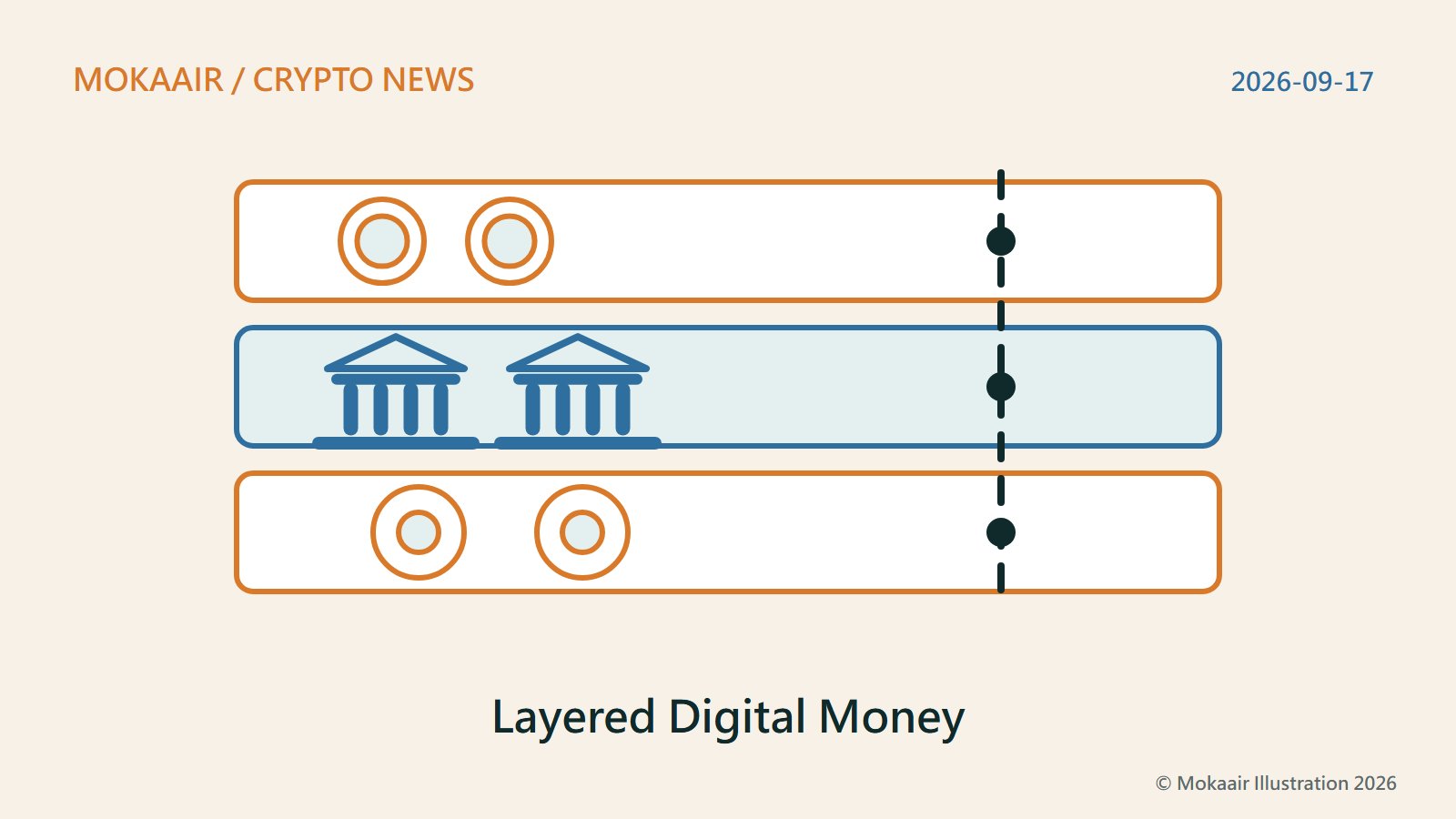
Taiwan's Central Bank on Stablecoins, Deposit Tokens and CBDC: Layers Can Coexist, No Urgency Yet for Retail CBDC
On September 17, 2026, the Central Bank of the Republic of China (Taiwan) compared stablecoins, deposit tokens and central bank digital currency (CBDC), saying there is no urgency to issue a retail CBDC while research and trials continue on the wholesale side. This article covers who issues each, how they circulate and are regulated, and Taiwan's trial progress; the FSC's separate deposit-token pilot five days later is a different story (checked September 2026).
- Money & finance
- Crypto & blockchain
Lifestyle
South Korea Refers 4 Suspected Virtual-Asset Manipulation Cases to Investigators: API-Made Fake Activity, Issuer-Inflated Volume to Keep a Listing
On September 23, 2026, South Korea's Financial Services Commission resolved at its 16th regular meeting to refer or notify investigators about 4 suspected virtual-asset market manipulation cases it investigated together with the Financial Supervisory Service; this article summarizes the methods described in each case and the regulator's warnings to ordinary investors from the official press-reference material, without naming any coin, exchange or amount (checked September 2026).
- Money & finance
- Crypto & blockchain
Lifestyle
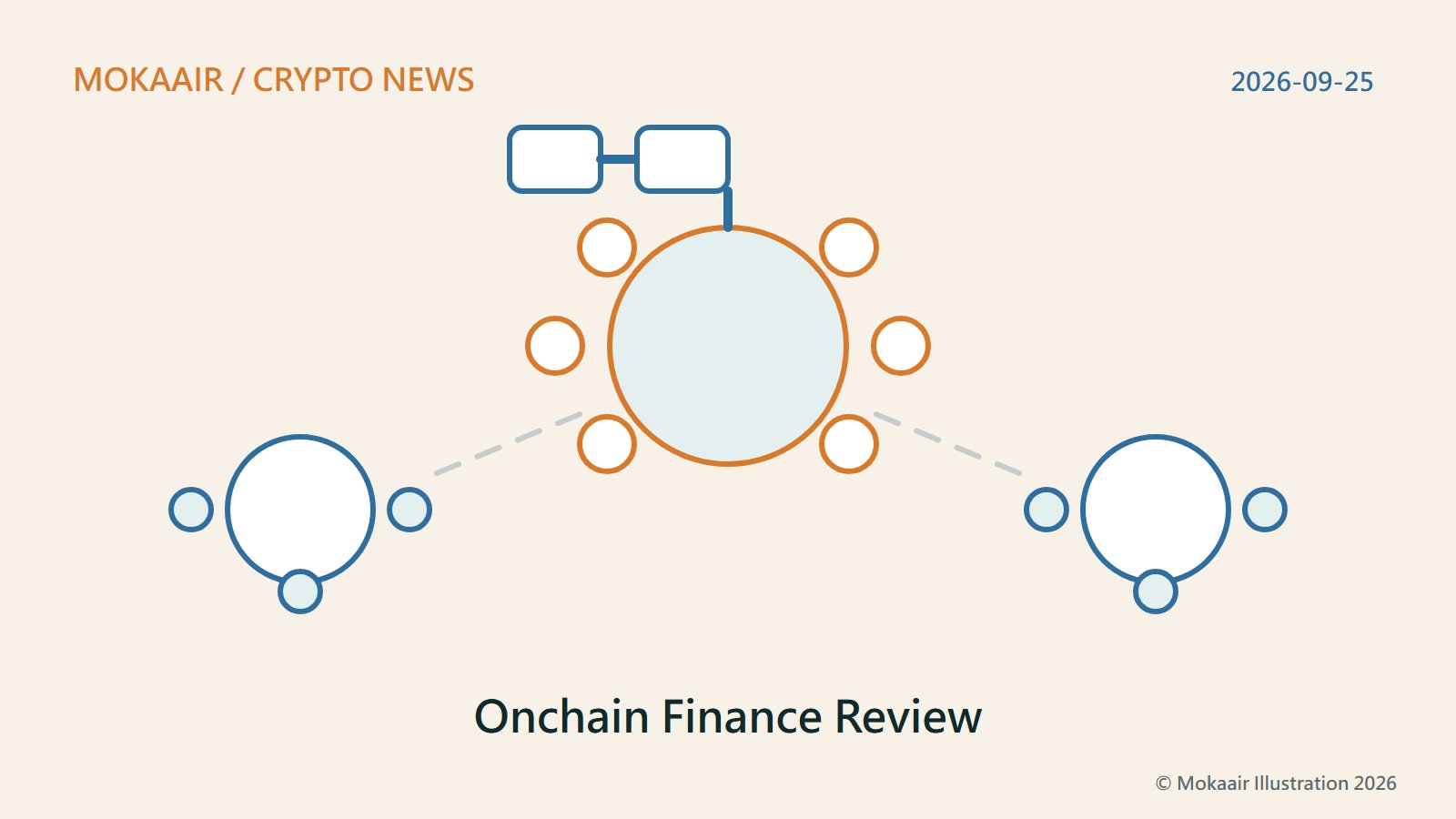
Japan's FSA Sets Up an Onchain Finance Forum: Stablecoins, Tokenized Deposits and JGB Tokenization Go Into a Cross-Ministry Review
On September 25, 2026, Japan's Financial Services Agency announced a cross-ministry 「AI時代を見据えたオンチェーン金融フォーラム」 (an Onchain Finance Forum With an Eye on the AI Era), putting stablecoins, tokenized deposits, JGB tokenization and quantum-computing risk on one review list. This sets up a forum for review, not a law change or approval of any product; its first meeting is scheduled for September 30 and is closed to the public (verified September 2026).
- Money & finance
- Crypto & blockchain

Lifestyle
Bitget Hacked for $351.6 Million: Circle Freezes Stablecoin Wallet, MistTrack Says Tether Followed
After crypto exchange Bitget was hacked for about $351.6 million, Circle blacklisted one attacker wallet and MistTrack said Tether later blocked it as well, freezing about $318,000 in stablecoins. But CoinDesk notes most of the stolen funds are ether (ETH), which no issuer can freeze. Bitget says its user protection fund bears the loss.
- Crypto & blockchain

Lifestyle
Keep Buying Household Supplies You Already Have? Track Location, Quantity, and Restocking Status in a Simple Inventory Sheet
Start with supplies you often buy twice, without building a warehouse system. Help everyone at home see where things are, how much remains, and who has already restocked, so the list better matches what is actually there.
- Tutorials
- Everyday life
- Money basics
Lifestyle
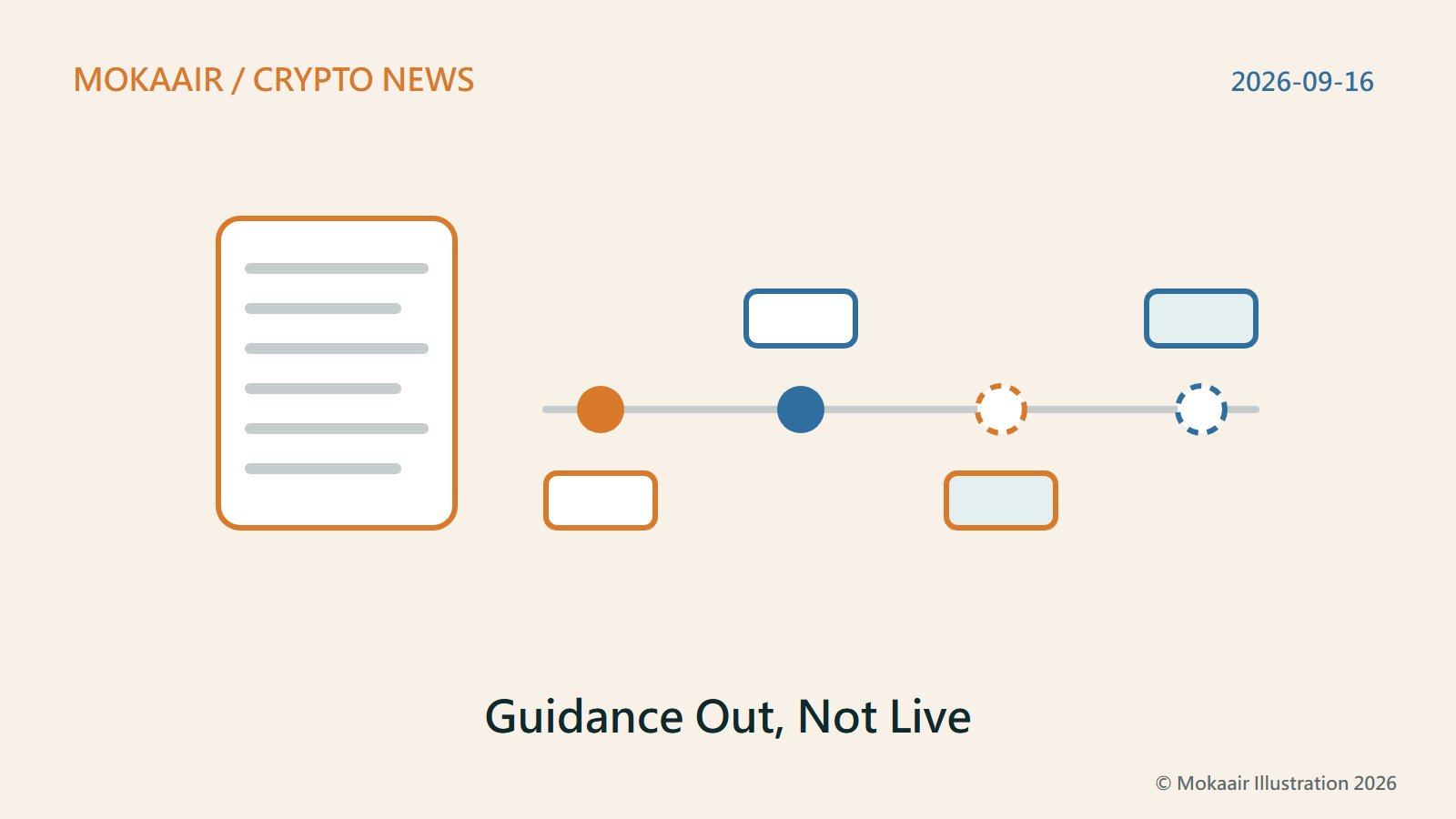
UK FCA Publishes Final Cryptoasset Perimeter Guidance PS26/18: Applications Open September 30, New Regime Takes Effect October 2027
On September 16, 2026, the UK's Financial Conduct Authority (FCA) published policy statement PS26/18, Cryptoasset Perimeter Guidance, explaining when cryptoasset activities require FCA authorisation. Drawing on the FCA's press release and the 140-page PS26/18, this article sets out three separate dates — guidance published, applications open, new regime in effect — the seven newly regulated activities, and places this timeline beside Taiwan's Virtual Asset Service Act.
- Money & finance
- Crypto & blockchain
Lifestyle
FCA Cracks Down on Illegal Peer-to-Peer Crypto Trading in London: Action on September 10, Announced September 17
On September 17, 2026, the UK's Financial Conduct Authority (FCA) announced that it, HMRC and the Metropolitan Police Service had acted against 3 premises in London on September 10 over suspected illegal peer-to-peer crypto trading. Drawing on two FCA press releases and its Firm Checker help page, this article lays out why the registration duty applies only to those trading by way of business, the carve-out for trades between individuals, and the limits of the consumer lookup tool itself.
- Money & finance
- Crypto & blockchain
Lifestyle
CFTC No-Action Letter Expands to All Passive Software Providers: The Line Drawn by Ten Conditions
On September 17, 2026, the CFTC's Market Participants Division issued no-action letter Letter 26-25, extending Letter 26-09 -- until then available only to a single applicant, Phantom -- to all passive software providers. Drawing on both letters' full text and the press release, this article explains the ten conditions, what is and is not allowed, and how a no-action letter differs from a Commission rule in effect; it offers no investment or legal advice, and was checked on September 18, 2026.
- Money & finance
- Crypto & blockchain
Lifestyle
Taiwan's Virtual Asset Service Act Clears Third Reading: Seven Kinds of Provider, Stablecoin Licensing, No Commencement Date Yet
On June 30, 2026 Taiwan's Legislative Yuan passed the Virtual Asset Service Act (虛擬資產服務法) on third reading, and its 56 articles were promulgated on July 22, 2026. Working from the Financial Supervisory Commission's press release and two official legal databases, this article sets out the seven kinds of virtual asset service provider, licensing kind by kind, the reserve-asset rules for stablecoins, and why the 12- and 21-month transition periods in article 55 have not started running.
- Money & finance
- Crypto & blockchain
Lifestyle
FinCEN and OFAC's Joint AML and Sanctions Compliance Proposal for Stablecoin Issuers, Not Yet in Effect
On April 10, 2026 a joint FinCEN and OFAC proposed rule, from two U.S. Treasury agencies, was published in the Federal Register (91 FR 18582). From the full text, FinCEN's fact sheet, the Treasury release and the Federal Register's docket lookup, this article sets out how the proposal would bring permitted payment stablecoin issuers under the Bank Secrecy Act, the four AML program requirements, the $5,000 suspicious activity reporting threshold, and OFAC's proposed sanctions compliance program.
- Money & finance
- Crypto & blockchain
Lifestyle
SEC Proposes Regulation Crypto Assets: Two Offering Exemptions and a Safe Harbor, Not Yet Adopted
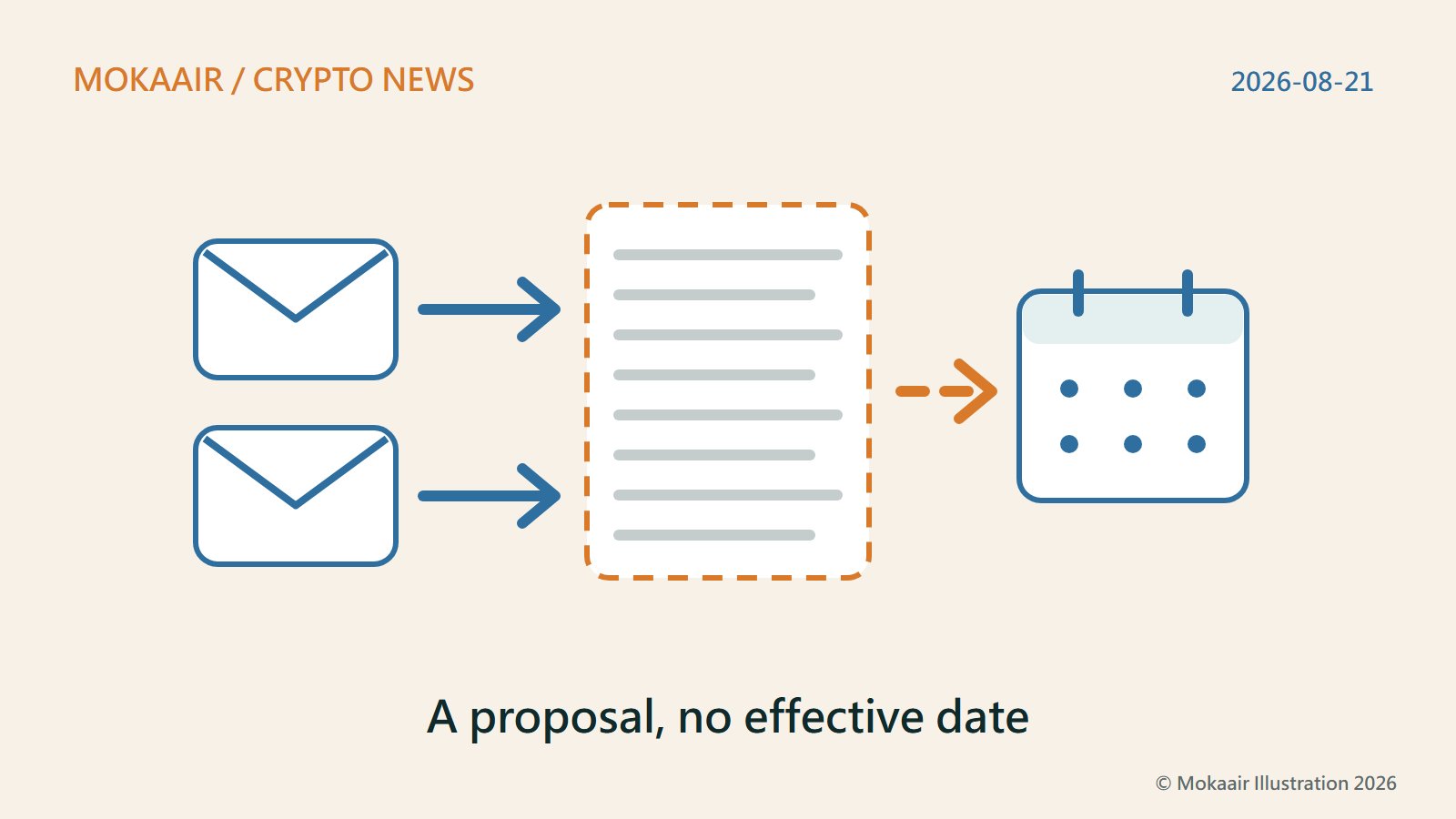
On August 21, 2026, the Regulation Crypto Assets proposed by the U.S. SEC was published in the Federal Register at 91 FR 54510. Working from the Federal Register full text and the official GovInfo PDF, this article sets out the two offering exemptions, the investment contract safe harbor and the state law preemption in this 146-page proposal, and why it has no effective date and why the comment period runs to October 20, 2026.
- Money & finance
- Crypto & blockchain
Lifestyle
Joint SEC and CFTC Interpretation: Five Categories of Crypto Assets, Effective the Day It Was Published
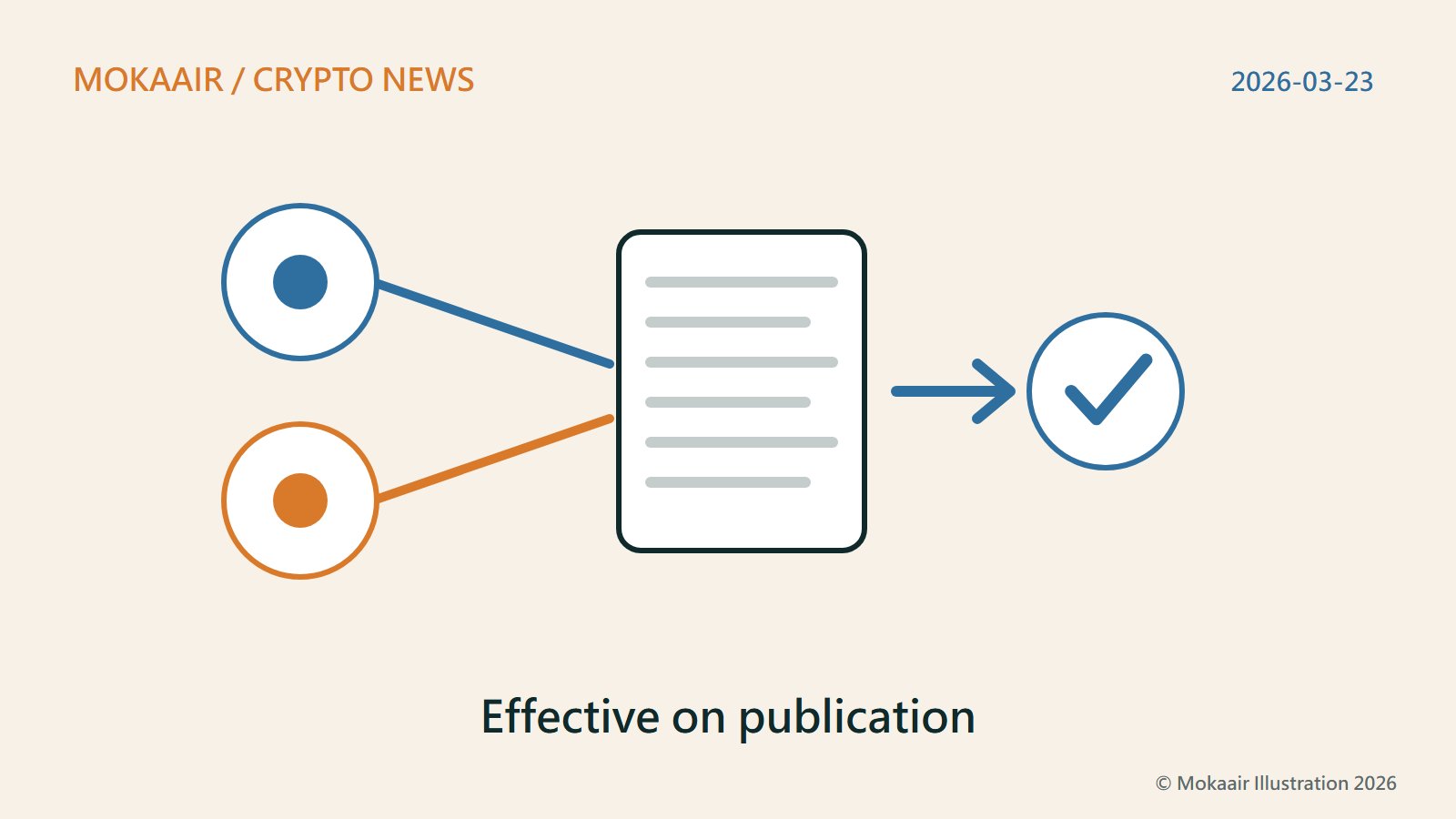
On March 17, 2026 the Securities and Exchange Commission (SEC) and the Commodity Futures Trading Commission (CFTC) jointly issued an interpretation of the securities laws for crypto assets; it was published in the Federal Register on March 23, 2026 and took effect that day. From the Federal Register full text and document data, the as-published PDF and the CFTC press release: the five categories, how an investment contract begins and ends, and what the release says it does not address.
- Money & finance
- Crypto & blockchain
Lifestyle
NCUA's Proposed Stablecoin Standards: Credit Unions Could Issue Only Through a Subsidiary; Stablecoins Get No Share Insurance
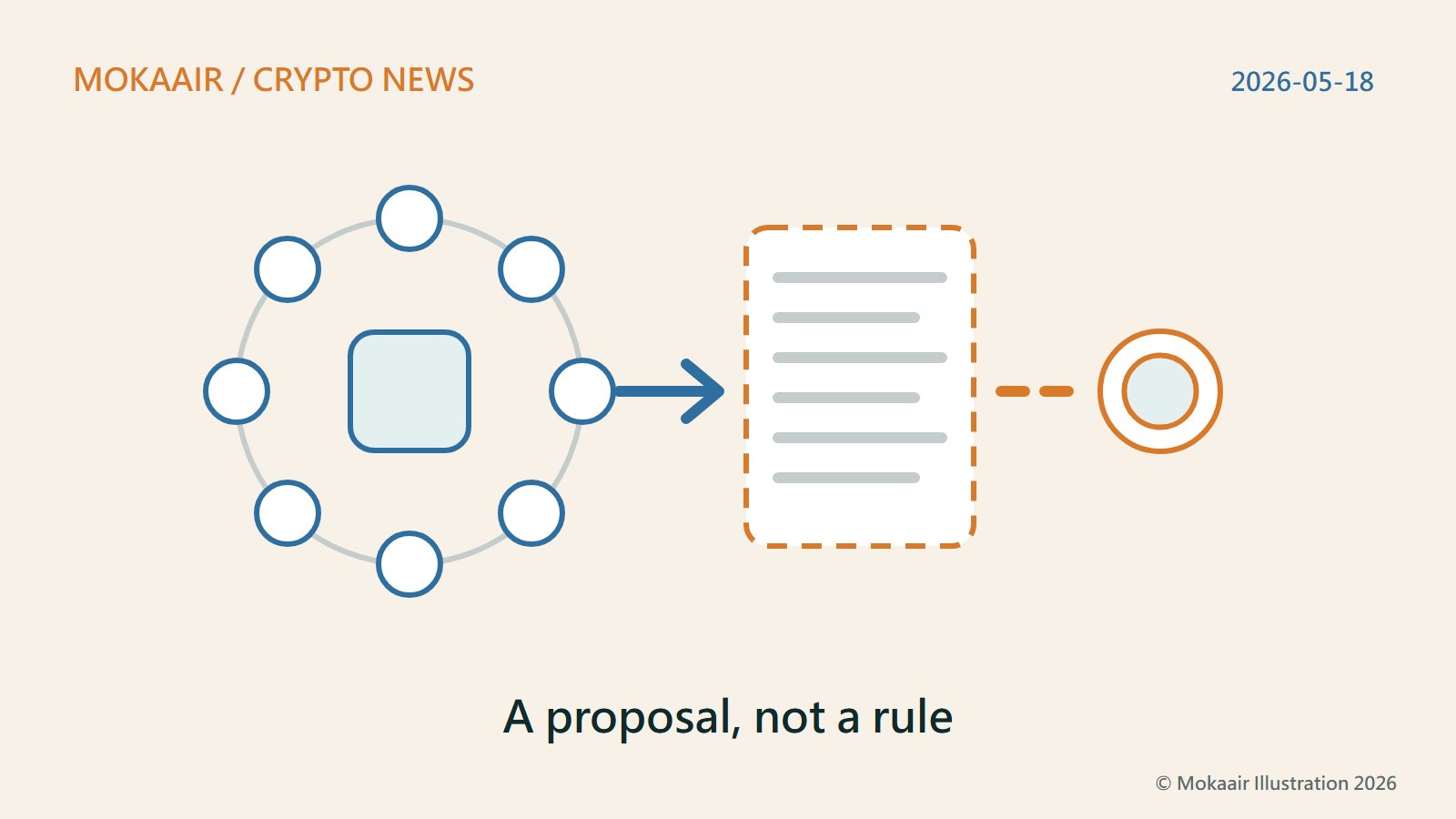
On May 18, 2026 the U.S. National Credit Union Administration's supplemental proposed rule implementing the GENIUS Act was published in the Federal Register (91 FR 28956). From that full text, the NCUA press release, the enacted GENIUS Act and the agency's February licensing proposal: why a credit union could issue payment stablecoins only through a subsidiary, how tokenized shares and the coin differ on share insurance, and why every line here reads as a proposal.
- Money & finance
- Crypto & blockchain
Lifestyle
EU MiCA Transitional Period Ends July 1: Grandfathering Differs by Country, a Pending Application Is Not an Extension
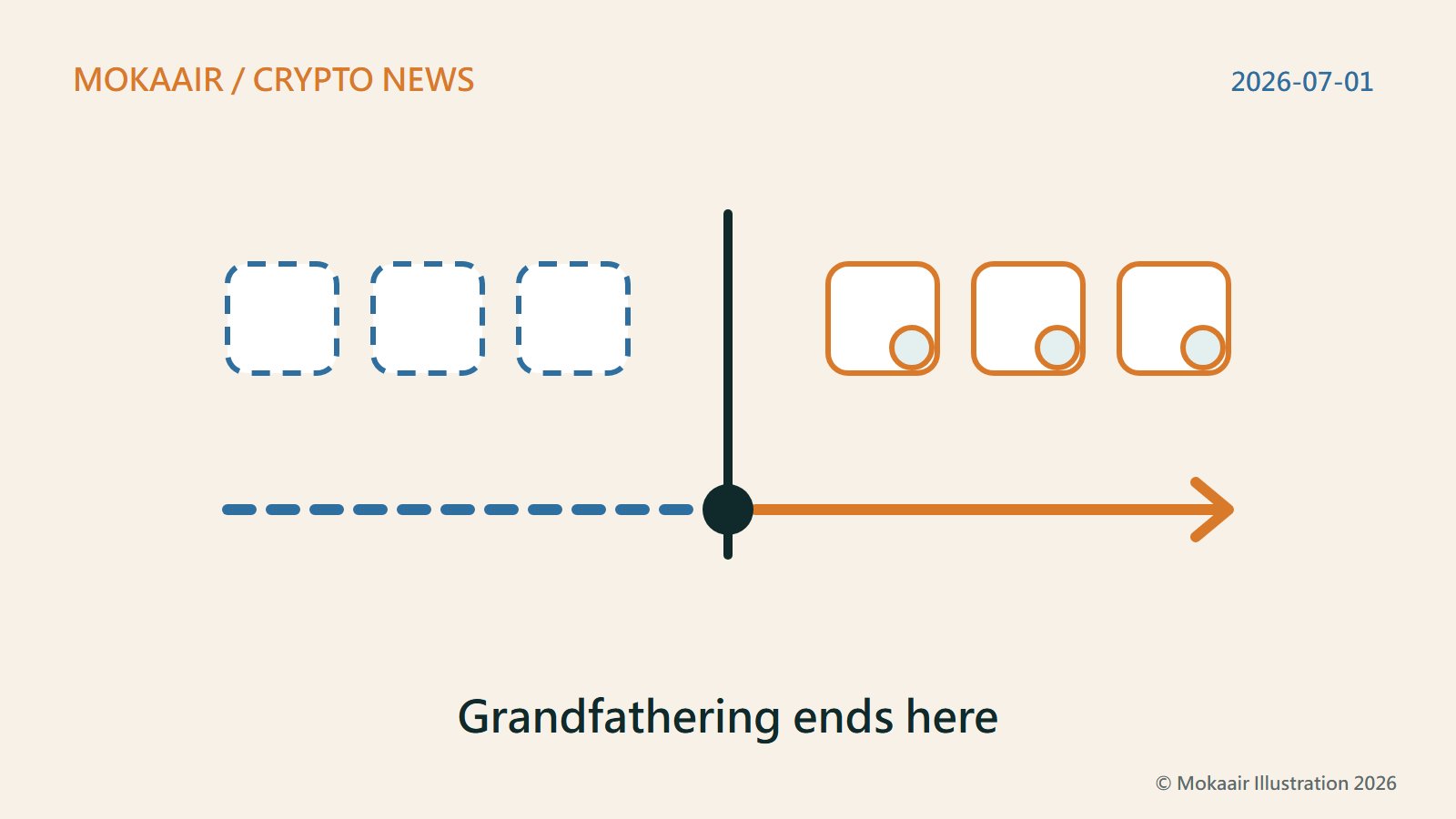
The transitional period in Article 143(3) of the EU's MiCA expired on July 1, 2026. Drawing on ESMA's public statement of June 23, 2026, its statement of April 17, 2026, the list of grandfathering periods decided by each Member State and the official question and answer ESMA_QA_2220, this article sets out what ended, why the grandfathering periods differ from one Member State to another, why a pending application is not an extension, and what ESMA said to providers and to clients.
- Money & finance
- Crypto & blockchain
Lifestyle
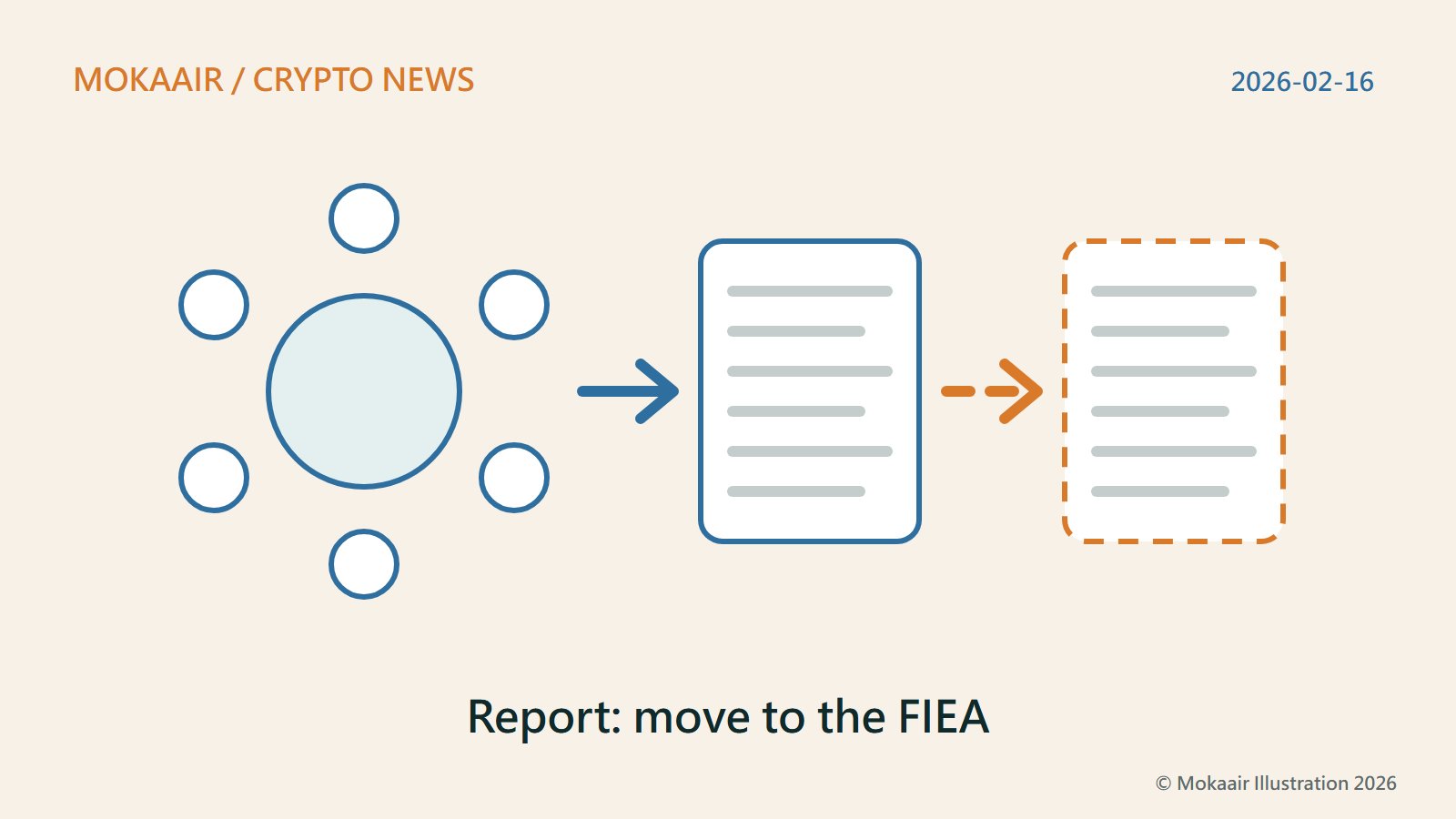
Japan's Financial System Council Report Recommends Moving Crypto-Assets to the FIEA: The Related Act Has Been Enacted, No Commencement Date Seen
On February 16, 2026 Japan's FSA published on its English website a Provisional Translation of the report of the Financial System Council's Working Group on Crypto-asset Systems; the report itself is dated December 10, 2025. From the FSA's announcement page, the full report and its reference material: why it recommends moving crypto-assets from the Payment Services Act to the Financial Instruments and Exchange Act, and how the related bill has progressed since.
- Money & finance
- Crypto & blockchain
Lifestyle
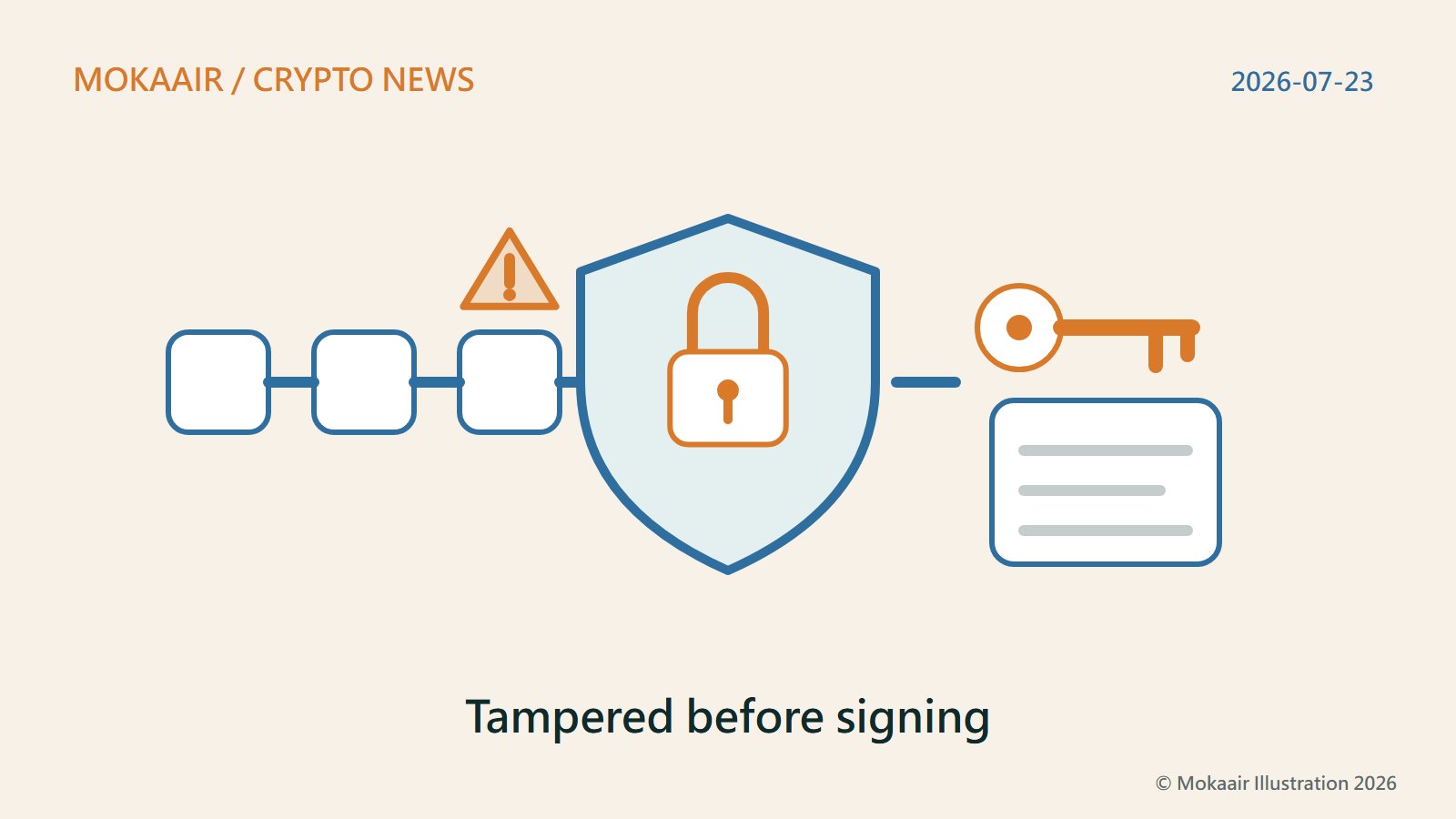
Japan's FSA Publishes a Crypto-Asset Cybersecurity Research Paper: One Class of Outflow Was Not Key Theft but Tampering Before Signing
On July 23, 2026 Japan's Financial Services Agency published a commissioned research paper. The cover is dated June 30, 2026, and the FSA states plainly that the paper does not represent its own views. Working from the FSA's publication page, the paper's English version and the FSA's own policy approaches, this article explains which class of outflow the paper re-attributes to the systems before signing, what obligations this publication does not add, and why the four dates cannot be swapped.
- Money & finance
- Crypto & blockchain