Lifestyle
Choosing a Codex platform
Compare desktop, mobile, CLI, IDE and cloud scenarios, and identify where files and tools run.
About 10 min read · Practice 15 min
Beginner · Desktop / mobile / CLI / VS Code / JetBrains / cloud
Before you start
On this page
Back to the Codex learning hubCodex learning hub: tutorial directoryA planned 60-lesson, ten-unit Codex curriculum, from setup and your first task to MD instructions and advanced integrations. Find your next lesson by experience, platform, goal or command; unpublished entries show their status.Read the full article
What you will be able to do
Separate the interface from execution
An interface is where you send a request; the environment is where the agent works. Desktop, CLI and IDE can operate on local projects, while remote projects and cloud tasks involve another environment. A phone's small screen does not make its task smaller, and similar desktop windows do not establish that the same computer is working. Map request origin, executing machine and result location before comparing buttons.
| Interface | Main interaction | First check |
|---|---|---|
| Desktop | Projects, tasks, files and diffs | Selected project and host |
| CLI | Terminal commands and conversation | Current working directory |
| IDE | Editor files and code context | Open folder and files |
| Cloud | Configured remote environment and tasks | Repository, branch and environment |
| Mobile Remote | Tasks on a connected host | Whether the paired host is available |
Step 1: start from your existing workflow
If you prefer a graphical workspace and managing several tasks, start with desktop setupDesktop: Windows, macOS and LinuxThe desktop workspace combines tasks, files, terminals and change review. Current official downloads use the name ChatGPT desktop app; choose Codex inside it. Follow the separate installation path for your system. Linux is a preview with a specific support list, not a promise of compatibility with every distribution.Read the full article. Use the official Windows or macOS procedure for your platform. On Linux, choose the desktop preview package for a supported distribution and architecture; a Windows installer is not interchangeable. Linux desktop availability does not establish identical Remote host support: verify those features separately.
Choose CLIInstall and start Codex CLIChoose an installation platform, sign in, inspect a file, make a one-line change, verify it independently and resume the session. Includes a repeatable two-file exercise and a missing-file test.Read the full article if you already navigate folders and run tests in a terminal, or intend to connect work to scripts. Native Windows and WSL are different environments with separate installations, home directories and paths. User paths are not interchangeable between macOS and Linux either. If terminals are unfamiliar, begin with terminal pathsTerminal paths and project rootsCreate a practice folder on Windows, macOS or Linux and distinguish current, relative and absolute paths.Read the full article rather than learning two shells at once.
If you already code in an officially supported editor and want to include an open file or selection, use the IDE extensionGet started in your IDEIDE integration places Codex beside your code for focused explanation and edits. VS Code, Cursor and Windsurf use the Codex extension; Xcode and JetBrains expose their own integration flows. Do not interchange their installation steps.Read the full article. Confirm official availability for your editor rather than installing an item merely because its marketplace name looks similar. Even with both desktop and IDE installed, use one interface for the first edit; concurrent tasks editing the same file make attribution difficult.
Step 2: decide whether cloud or mobile is needed
Use cloud tasksCloud tasks and GitHubCloud tasks run in a remote environment configured for a repository. They suit longer delegated work, but cannot automatically see uncommitted files on your computer. Creating a pull request is distinct from merging or deploying it.Read the full article when you want a configured remote environment to work on a GitHub repository and return a diff or PR for review. Record repository and branch first. Uncommitted local changes do not appear in cloud just because the project name matches. Supply the correct version to the environment rather than repeating an ambiguous request. Without a practice GitHub repository, the local route still supports the introductory lessons.
Consider mobile RemoteMobile: iPhone and AndroidRemote in the ChatGPT mobile app lets you guide Codex work on a connected computer. Official documentation lists iOS and Android clients, with Mac or Windows hosts, subject to rollout. This does not install a full development environment on the phone, and does not establish Linux host support.Read the full article to follow or continue computer work while away. Documentation describes iOS and Android controlling available macOS or Windows desktop hosts, with host connectivity, pairing and workspace permission required. This does not move npm, the project and its local browser into phone storage. If the host is off or offline, restore its availability rather than installing packages in a phone terminal to fix the connection.
Step 3: verify with one small task
Create an empty codex-platform-check folder and put the single line Practice marker: local-copy-A in a plain-text file named location.txt. Open that folder in desktop or IDE, or enter it before starting CLI. For cloud, create and commit the same file in your practice repository and select a branch containing it. Do not upload a production project merely to test an interface.
Read location.txt without changing files.
Report the exact marker, working directory, and where commands for this task run.
Distinguish verified facts from anything you cannot determine.
Do not install tools, create files, or change settings.
Expect local-copy-A and a working path supported by tool results. Some interfaces use isolated working copies, so the path need not literally match your desktop path; the selected branch, marker and environment should agree. If the host identity cannot be established, record it as unknown and inspect connection settings rather than accepting a guess.
Boundary exercise: change the local marker to local-copy-B without committing it. An existing cloud copy may still read A, demonstrating different file versions rather than a model forgetting. A phone controlling the same host and folder should observe that host's current file. Reporting the source and marker is more useful than simply asking whether something is latest.
How to finish with only one computer
If cloud or Remote is not configured, complete the read check through your chosen local interface; no new account connection is needed for this lesson. To compare copies, create two separate sibling folders, copy-a and copy-b, with location.txt in each. Change only copy-b's marker to local-copy-B, then open each folder and run the read-only prompt above. Expect local-copy-A from A and local-copy-B from B; inspect the working directory before the marker. This demonstrates two distinct local files, not successful cloud synchronization or a phone connection.
Troubleshooting and completion criteria
Missing interface: check official support, app version, account workspace and rollout status; keep an unavailable option unverified. Missing file: inspect folder, cloud branch or host, then commit state. Missing command: inspect tools where commands actually run; Node.js on your laptop does not prove it exists in cloud. These are interface, file-version and execution-environment issues, not all sign-in problems.
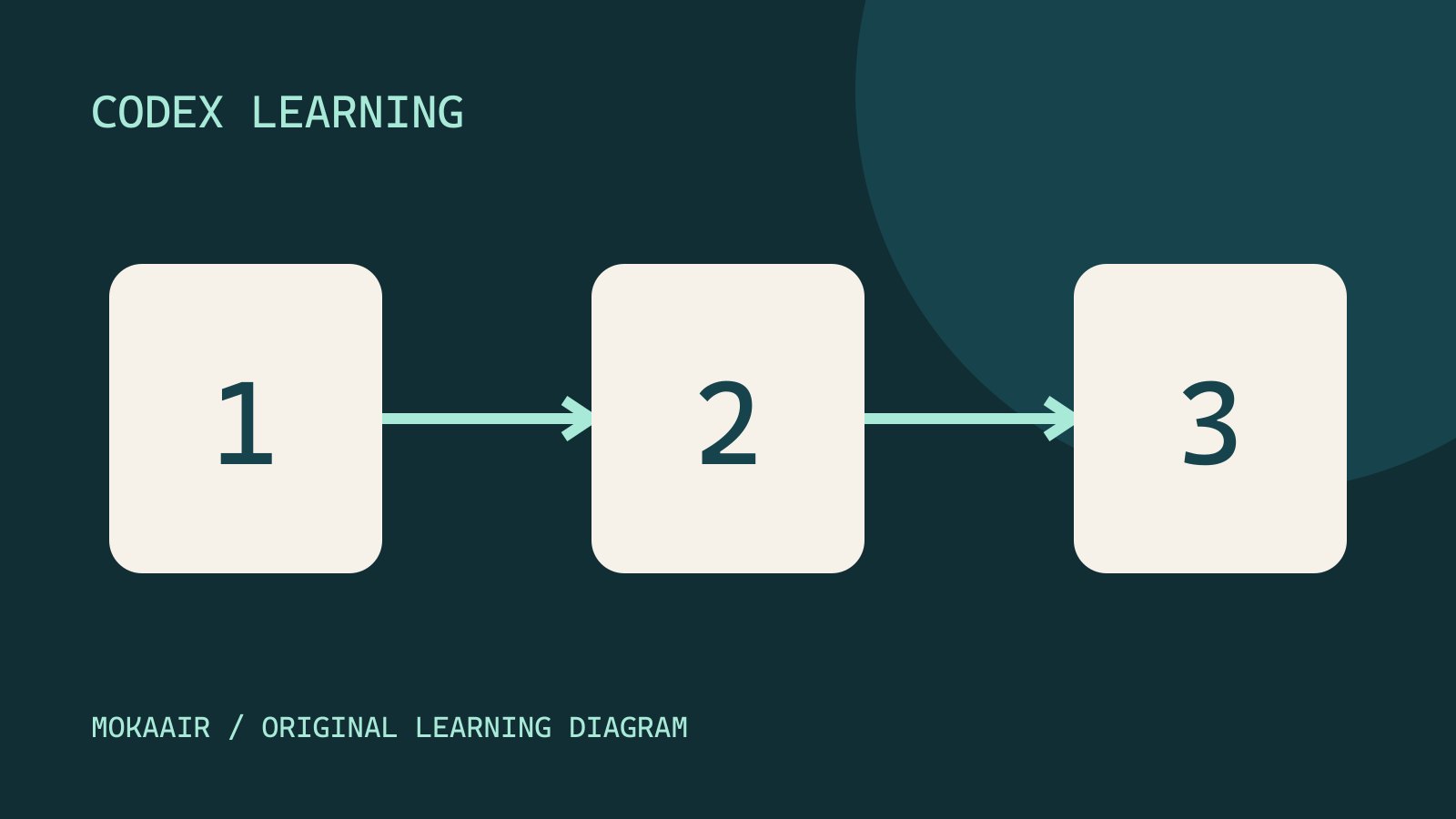
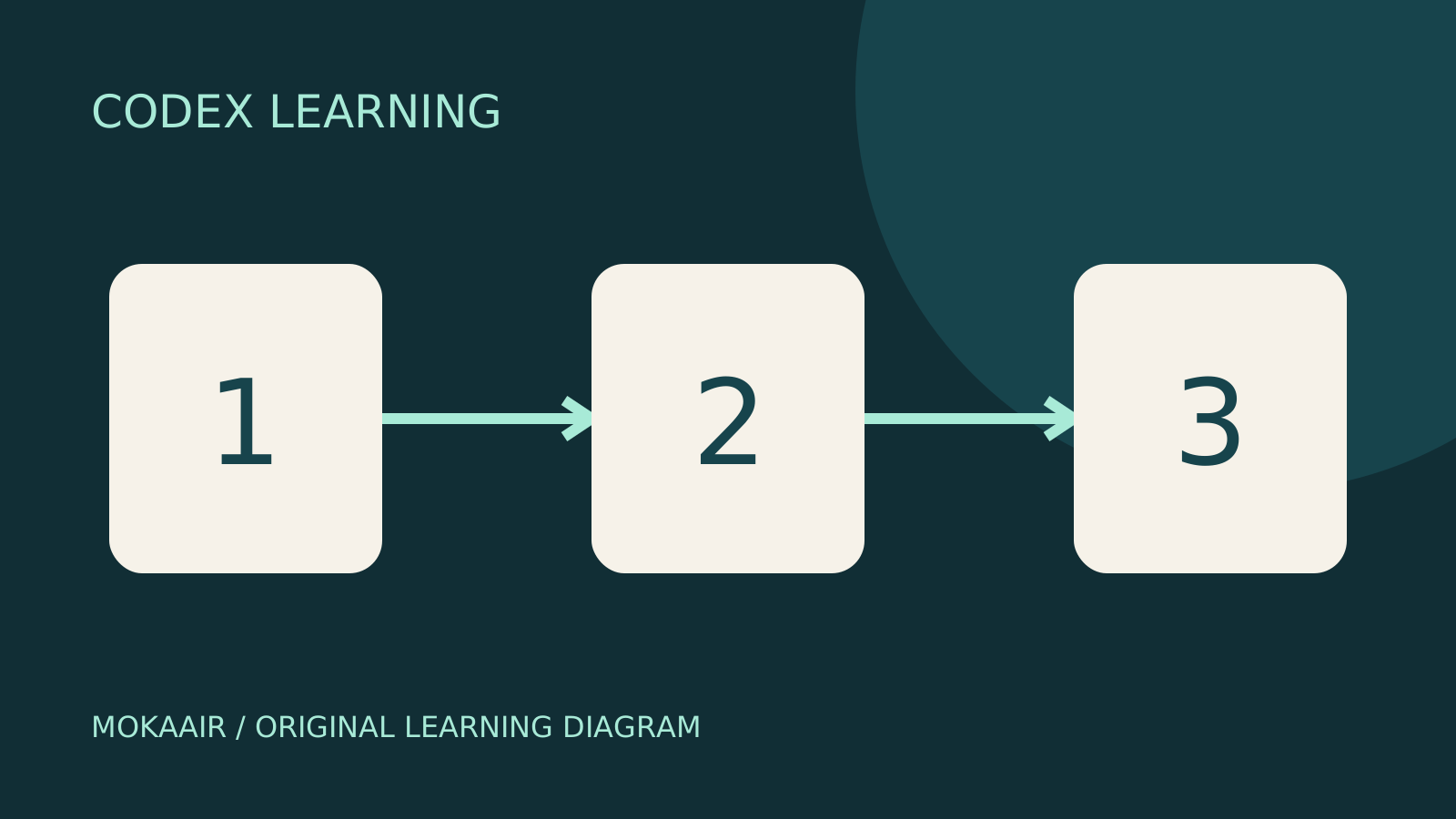
Restore marker A when finished and keep the practice folder for later; stop only the task created for this exercise. Complete this sentence: “I use interface __, files live in environment __, and I verify results with __.” If a new interface leaves the file location unclear, finish this read-only check before multitasking. Diagram numbers 1, 2 and 3 represent selecting an interface, identifying the environment and checking results.
Platform support was checked on 2026-09-14 against desktop, Linux preview, IDE, cloud and Remote documentation. This is documentation verification and an original exercise, not a claim of testing every device. Continue with terminal basicsTerminal paths and project rootsCreate a practice folder on Windows, macOS or Linux and distinguish current, relative and absolute paths.Read the full article, your first projectFinish your first small projectUse an independent copy of the Small Steps todo website to change its heading and background. Identify the five practice files and compare the diff, core tests and two viewport widths while preserving behavior and data.Read the full article or cross-device workCross-device handoff: files and environmentsTrack the conversation, host, directory and branch so a handoff continues the intended work.Read the full article.
Back to the Codex learning hubCodex learning hub: tutorial directoryA planned 60-lesson, ten-unit Codex curriculum, from setup and your first task to MD instructions and advanced integrations. Find your next lesson by experience, platform, goal or command; unpublished entries show their status.Read the full article
Read the full description
Three numbered stages: identify the starting point, perform the exercise, and verify the result. Original illustration, not a product screenshot.
Lifestyle
Codex learning hub: tutorial directory
A planned 60-lesson, ten-unit Codex curriculum, from setup and your first task to MD instructions and advanced integrations. Find your next lesson by experience, platform, goal or command; unpublished entries show their status.
Lifestyle
Worktrees and isolated tasks
A Git worktree gives one repository multiple working directories on different branches. It isolates file edits, but databases, ports and external services may still be shared. File isolation is not full resource isolation.
Lifestyle
Workshop: build a small website
Plan and build the Small Steps task website from brief.md, with adding, completing, deleting, filtering and local persistence. Separate HTML, CSS, data functions, UI events and tests, verify with Node and browser checks, and document restart and recovery steps.
Lifestyle
Usage and efficiency: reducing rework
Record task conditions, model options, time and outcomes to reduce unnecessary retries and excess context.
Articles that cite this one
Latest travel guides

GuideTokyo
Where to Stay in Tokyo: Comparing Shinjuku, Ueno, Tokyo Station, Shibuya, Asakusa, Ikebukuro, and Ginza, Plus Airport Access, Accommodation Tax, and Luggage Delivery
Where should you stay in Tokyo? Compare Shinjuku, Ueno, Tokyo Station, Shibuya, Asakusa, Ikebukuro, and Ginza by the same criteria: access from Narita and Haneda, transit routes, nearby attractions, neighborhood character, and who each area suits. Includes a comparison table, a Yamanote Line diagram, Tokyo’s accommodation tax as verified in 2026/9 (changing to 3% in 2027/4), and Airport TA-Q-BIN luggage shipping rules.
- Budget
- Hotels
GuideTokyo
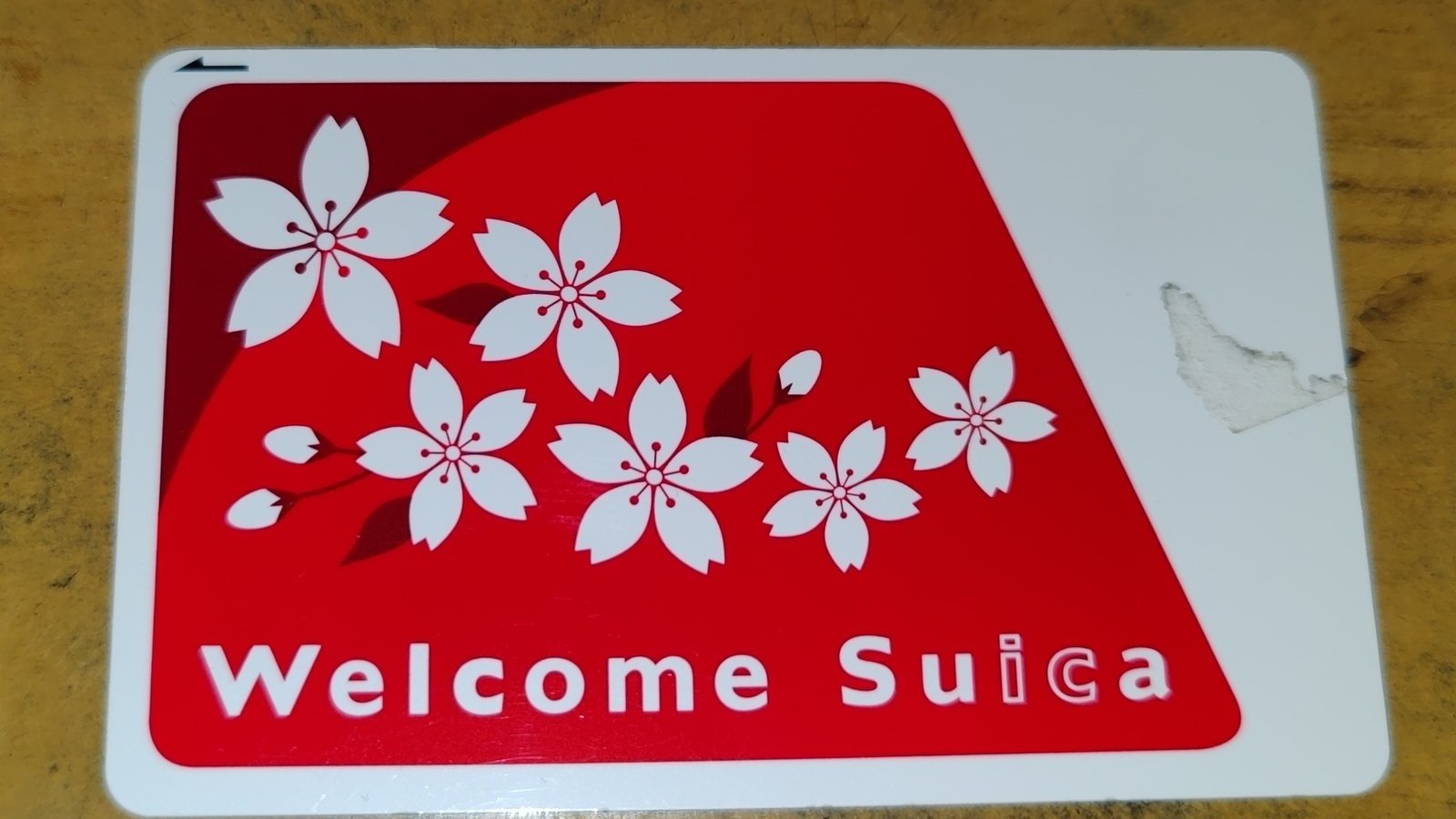
How to Choose Tokyo Transit Passes: Are Suica, Welcome Suica, the Tokyo Subway Ticket, and the JR Pass Worth It?
On a first Tokyo trip, start with an IC card and pay per ride (Welcome Suica has no deposit and is valid for 28 days). If you take four or more subway rides in a day, add a 72-hour Tokyo Subway Ticket for 2,000 yen; a JR Pass is never worthwhile if you stay in Tokyo and do not go to Kansai. See what TOURIST PASMO, Suica on iPhone, and the Tokyo Metro day pass do and do not cover, with a decision chart. Prices verified in September 2026.
- Transport
- Budget

GuideTokyo
Tokyo Disneyland and DisneySea Guide: Ticket Prices, Fantasy Springs, Disney Premier Access (DPA), Standby Pass, and Which Park to Choose for Your First Visit
Tokyo Disney one-day Passport prices vary: most weekdays in 9/2026 cost ¥9,900 and weekends ¥10,900. At 14:00 daily, tickets go on sale for the same date two months later. Free Priority Pass is no longer on the official service list; only paid Disney Premier Access (¥1,000–3,500 per person per use) shortens waits. Covers hours, the 25th anniversary, Standby Pass, Entry Request, Fantasy Springs access and first-visit park choice; checked on the official site in 9/2026.
- Itineraries
- Family
Sources
- ChatGPT desktop app · Checked:
- Linux desktop preview · Checked:
- IDE extension · Checked:
- Cloud tasks · Checked:
- Remote connections · Checked: