Lifestyle
Usage and efficiency: reducing rework
Record task conditions, model options, time and outcomes to reduce unnecessary retries and excess context.
About 15 min read · Practice 25 min
Advanced · Desktop / mobile / CLI / VS Code / JetBrains / cloud
Before you start
On this page
Back to the Codex learning hubCodex learning hub: tutorial directoryA planned 60-lesson, ten-unit Codex curriculum, from setup and your first task to MD instructions and advanced integrations. Find your next lesson by experience, platform, goal or command; unpublished entries show their status.Read the full article
Goal and preparation
Lessons and resources mentioned here: exercise pack · Account usageAccounts, sign-in, plans and usageCheck how you signed in before interpreting usage. ChatGPT sign-in uses the Codex allowance associated with that account; API-key authentication in a supported client requires checking API billing separately. This tutorial teaches you where to verify your own allowance rather than freezing a price or message limit that may change.Read the full article
Step 1: Identify what you are measuring
Plan quota in ChatGPT/Codex and API charges are different metrics. Available percentages can describe an account-wide shared window affected by other tasks, resets and plans; a one-point change is not this task's exact price. API tokens/cost require the actual model, pricing and usage record, not multiplying every CLI token by one rate. This lesson links to centrally maintained account/model guidance instead of repeating changing price figures.
| Metric | Record it as | Does not directly establish |
|---|---|---|
| Human time | Prompt preparation through verification | Model processing time |
| Waiting time | Start to final answer | Pure reasoning speed |
| Rework count | Clarifications, corrections and repeats | Fewer replies do not guarantee correctness |
| Acceptance coverage | Check four predefined criteria | Confidence of wording is not evidence |
| Quota/usage | Actual visible information | Account percentages are not per-run cost |
Use unavailable for missing data and estimated with a method for estimates. Do not substitute zero for unknown information.
Step 2: Fix comparison conditions and ground truth
Use identical untouched broken copies. Run node --test core.test.mjs once in each and confirm the same two passes and one failure; this Node-only check consumes no model quota. The defect is visibleTasks selecting !task.completed in the completed branch. Record that ground truth without inserting the solution into comparison prompts. Both A and B propose a fix plan without editing files or starting services.
Create a fresh task for each folder on the same surface and host, with the same model and reasoning setting. If a choice is unavailable, record the current default without guessing its name. Run sequentially to reduce contention. Fresh tasks reduce answer leakage between conversations, but caching, networking and service load still differ. This is a personal workflow exercise, not a publishable model-performance ranking.
Step 3: Change only prompt specificity
A provides less context but still has an objective; B adds reproducible input, expected/actual behavior and file scope. Both target the same outcome. The variable is how much reliable context you provide in advance. Record prompt-writing time and submit each once. Answer clarification questions normally and count them; do not withhold needed information from A to make B win.
Find why Completed shows unfinished tasks in this project.
Explain the cause, propose the smallest fix and give verification steps.
Read only; do not edit files, run tests or start services.
Investigate the Completed filter in this Small Steps practice copy.
Reproduction: add Read and Build, complete Read, then choose Completed.
Expected: only Read. Actual: only Build.
Inspect core.mjs, app.js and core.test.mjs as needed.
Explain the cause, propose the smallest fix while preserving Active/All behavior,
and give exact Node and browser verification steps.
Read only; do not edit files, run tests or start services.
Step 4: Evaluate both results with the same criteria
Manually check four criteria: locate the completed condition in visibleTasks; propose selecting task.completed only in that branch; preserve Active/All behavior; and specify node --test core.test.mjs plus the same Read/Build UI reproduction. Also verify it neither claims to have run prohibited tests nor edits files. A long generic risk list earns no extra credit, while a short answer missing verification is incomplete.
# Workflow comparison
Date / host / surface / CLI or app version:
Model and reasoning setting:
Fixture: unchanged broken copy

| Metric | A | B |
| --- | --- | --- |
| Prompt preparation time | | |
| Wait until final answer | | |
| Human verification time | | |
| Clarification/correction turns | | |
| Accepted criteria out of 4 | | |
| Actual visible usage, or unavailable | | |
| Files unchanged | | |
| Remaining uncertainty | | |

Decision and evidence:
One adjustment to try next:
Step 5: Turn observations into a repeatable habit
Compare preparation plus verification time, waiting and rework, not just the fastest answer. If B takes two more minutes to prepare but saves several clarifications, it may suit daily work. If A also passes completely in one turn, there is no evidence every small task needs a long brief. Save an effective reproduction format in Reusable templatesPrompt, rules and handoff templatesChoose a prompt, rule or handoff template, fill its required fields and use the correct input location.Read the full article, retaining objective, source, scope and acceptance instead of pasting entire chat histories. This reduces stale and contradictory context.
Use a clearly fictional interpretation exercise: A takes 1 minute to prepare, 3 to wait and 4 to verify, meeting three of four criteria. B takes 3, 4 and 1 minutes, meeting all four. Both recorded totals are 8 minutes. B waits longer initially but delivers more; A's remediation time is unknown, so equal end-to-end completion time is unproven. These are not model performance measurements.
Check that criteria were set beforehand, quality was verified and missing usage stays unavailable. Compare complete time and rework once both meet all four criteria. Keep these fictional numbers separate from your observations. Reuse the criteria and change one factor per follow-up so differences remain interpretable.
To compare models or reasoning next, hold the accepted B prompt and input fixed and change one available setting using Model selectionChoose a model, effort and speedModel choice affects available capabilities and usage conditions; reasoning effort affects how much work the agent devotes to a problem. Compare quality on the same small task before increasing effort. Use the options currently exposed by your account rather than assuming a named model is universally available.Read the full article. Do not change model, delegation and prompt together and attribute everything to speed. Parallel tasks and prolonged retries also use quota. For a small problem, narrowing the objective is usually easier to verify than adding tools. For long work, retain verified state in a Handoff recordContext and task handoffLong work needs durable decisions and evidence, not just a long conversation. README explains use, design documents explain choices, handoffs record current progress and AGENTS.md holds ongoing instructions. Do not turn all temporary progress into permanent rules.Read the full article to avoid repeating all exploration.
Completion and common misinterpretations
Both copies should remain unchanged. Save observations and both answers; if an agent edited files, record a scope failure, preserve the diff and restore your own copy. One comparison supports a choice only under those conditions, not permanent model economy or a fixed number of tasks per plan. Mark usage incomparable if the display is stale, a reset occurred or other tasks used the account. Completion requires evidenced quality judgments, a timing method, no invented usage and one next adjustment, not a table where every metric improves.
Back to the Codex learning hubCodex learning hub: tutorial directoryA planned 60-lesson, ten-unit Codex curriculum, from setup and your first task to MD instructions and advanced integrations. Find your next lesson by experience, platform, goal or command; unpublished entries show their status.Read the full article
Read the full description
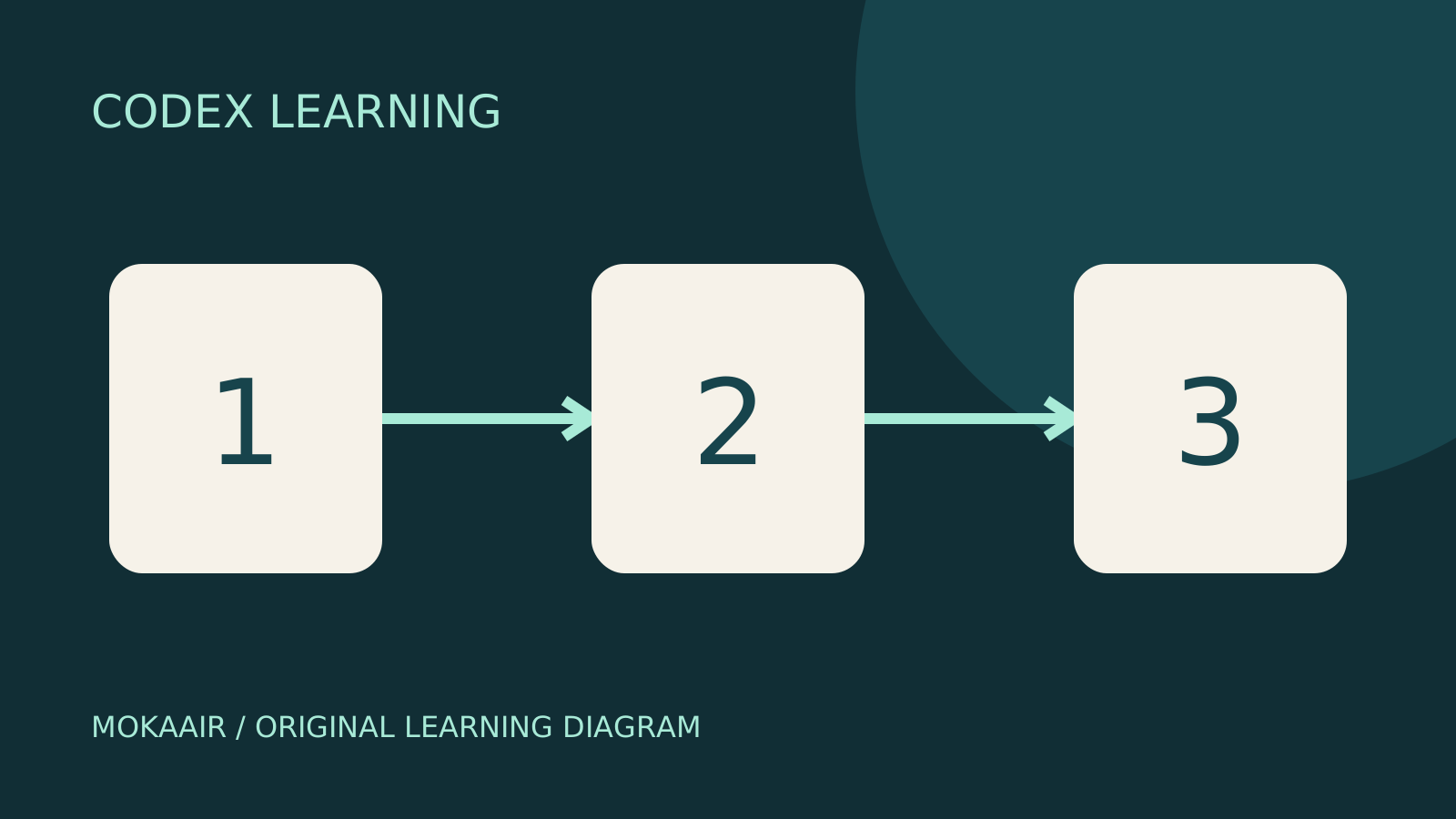
Three numbered stages: identify the starting point, perform the exercise, and verify the result. Original illustration, not a product screenshot.
Lifestyle
Codex learning hub: tutorial directory
A planned 60-lesson, ten-unit Codex curriculum, from setup and your first task to MD instructions and advanced integrations. Find your next lesson by experience, platform, goal or command; unpublished entries show their status.
Lifestyle
Worktrees and isolated tasks
A Git worktree gives one repository multiple working directories on different branches. It isolates file edits, but databases, ports and external services may still be shared. File isolation is not full resource isolation.
Lifestyle
Workshop: build a small website
Plan and build the Small Steps task website from brief.md, with adding, completing, deleting, filtering and local persistence. Separate HTML, CSS, data functions, UI events and tests, verify with Node and browser checks, and document restart and recovery steps.
Lifestyle
Understanding an existing codebase
Use a read-only workflow to locate entry points, data flow and tests, with file-backed explanations.
Articles that cite this one
Latest travel guides

GuideTokyo
Where to Stay in Tokyo: Comparing Shinjuku, Ueno, Tokyo Station, Shibuya, Asakusa, Ikebukuro, and Ginza, Plus Airport Access, Accommodation Tax, and Luggage Delivery
Where should you stay in Tokyo? Compare Shinjuku, Ueno, Tokyo Station, Shibuya, Asakusa, Ikebukuro, and Ginza by the same criteria: access from Narita and Haneda, transit routes, nearby attractions, neighborhood character, and who each area suits. Includes a comparison table, a Yamanote Line diagram, Tokyo’s accommodation tax as verified in 2026/9 (changing to 3% in 2027/4), and Airport TA-Q-BIN luggage shipping rules.
- Budget
- Hotels
GuideTokyo
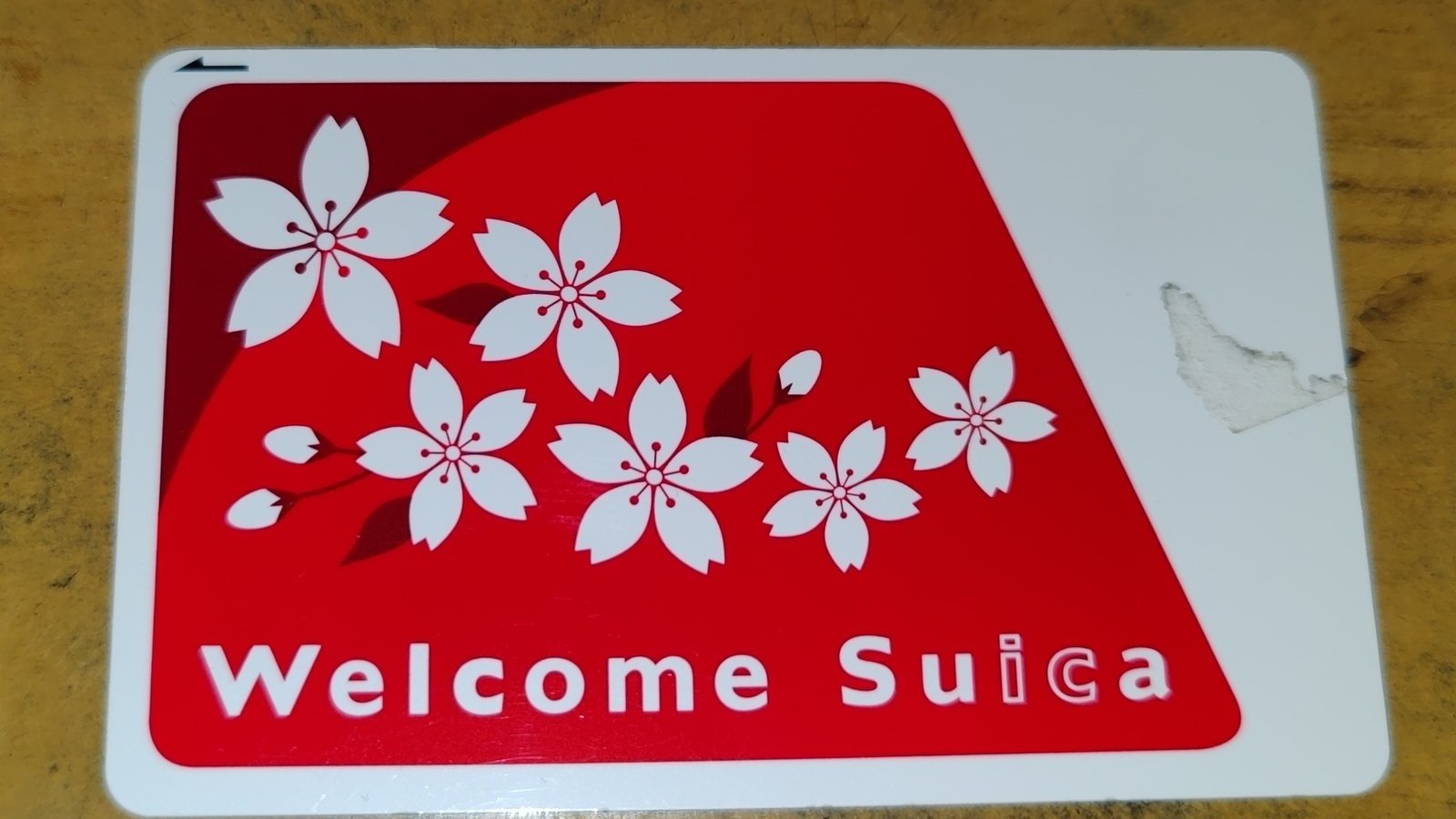
How to Choose Tokyo Transit Passes: Are Suica, Welcome Suica, the Tokyo Subway Ticket, and the JR Pass Worth It?
On a first Tokyo trip, start with an IC card and pay per ride (Welcome Suica has no deposit and is valid for 28 days). If you take four or more subway rides in a day, add a 72-hour Tokyo Subway Ticket for 2,000 yen; a JR Pass is never worthwhile if you stay in Tokyo and do not go to Kansai. See what TOURIST PASMO, Suica on iPhone, and the Tokyo Metro day pass do and do not cover, with a decision chart. Prices verified in September 2026.
- Transport
- Budget

GuideTokyo
Tokyo Disneyland and DisneySea Guide: Ticket Prices, Fantasy Springs, Disney Premier Access (DPA), Standby Pass, and Which Park to Choose for Your First Visit
Tokyo Disney one-day Passport prices vary: most weekdays in 9/2026 cost ¥9,900 and weekends ¥10,900. At 14:00 daily, tickets go on sale for the same date two months later. Free Priority Pass is no longer on the official service list; only paid Disney Premier Access (¥1,000–3,500 per person per use) shortens waits. Covers hours, the 25th anniversary, Standby Pass, Entry Request, Fantasy Springs access and first-visit park choice; checked on the official site in 9/2026.
- Itineraries
- Family
Sources
- Codex pricing · Checked:
- Codex models · Checked:
- Codex prompting · Checked: