Lifestyle
Reading search results: SERP features, CTR and changing impressions
A search results page can contain text, images, videos, rich results and other features; average position cannot fully describe what readers see. Original figures show how CTR, impressions and clicks relate, then explain how to hold Search Console conditions constant, compare segments and check whether titles and snippets match the page. Steps, a comparison table and an original diagram prevent a falling percentage from being mistaken for lost traffic or proof that one feature caused the change.
About 7 min read
The site's search click-through rate fell this month, and the team's first instinct may be to rewrite the title. But if impressions expanded at the same time, total clicks could have increased. New queries may also have different clicking habits from the original branded terms. Examine the denominator and query mix before choosing an edit.
This article uses Google search results as its main example and summarizes official definitions checked on September 14, 2026. The calculations and content scenarios are original illustrations. They do not measure a real site or treat any one CTR percentage as a universal benchmark across industries.
Look at result features before the ranking number
SERP stands for search engine results page. A Google text result typically includes a source, title link and snippet; images, videos, rich results or related questions may also appear. Layout varies by device, region, language and query. It is not always ten text links of identical size.
Someone searching for bread-shaping steps may want a sequence of motions, while a query about oven dimensions may call for specifications. As you observe results, note what readers can do directly and which questions still require a visit to a site. This is research into content format, not a count of competitors' subheadings.
Search Console position is not a pixel distance on the page, and ads do not occupy its search position numbers. The same average position can therefore correspond to different visibility. Keep numeric metrics and observations of result features in separate report columns; an unchanged rank does not prove that readers saw the same surroundings.
Read CTR with both numerator and denominator
CTR is clicks divided by impressions, expressed as a percentage. Suppose an earlier period brought 100 clicks from 1,000 impressions, for 10% CTR. A later period brought 150 clicks from 2,500 impressions, for 6% CTR. Although the rate fell by four percentage points, clicks rose by 50; you cannot directly say the site lost visitors.
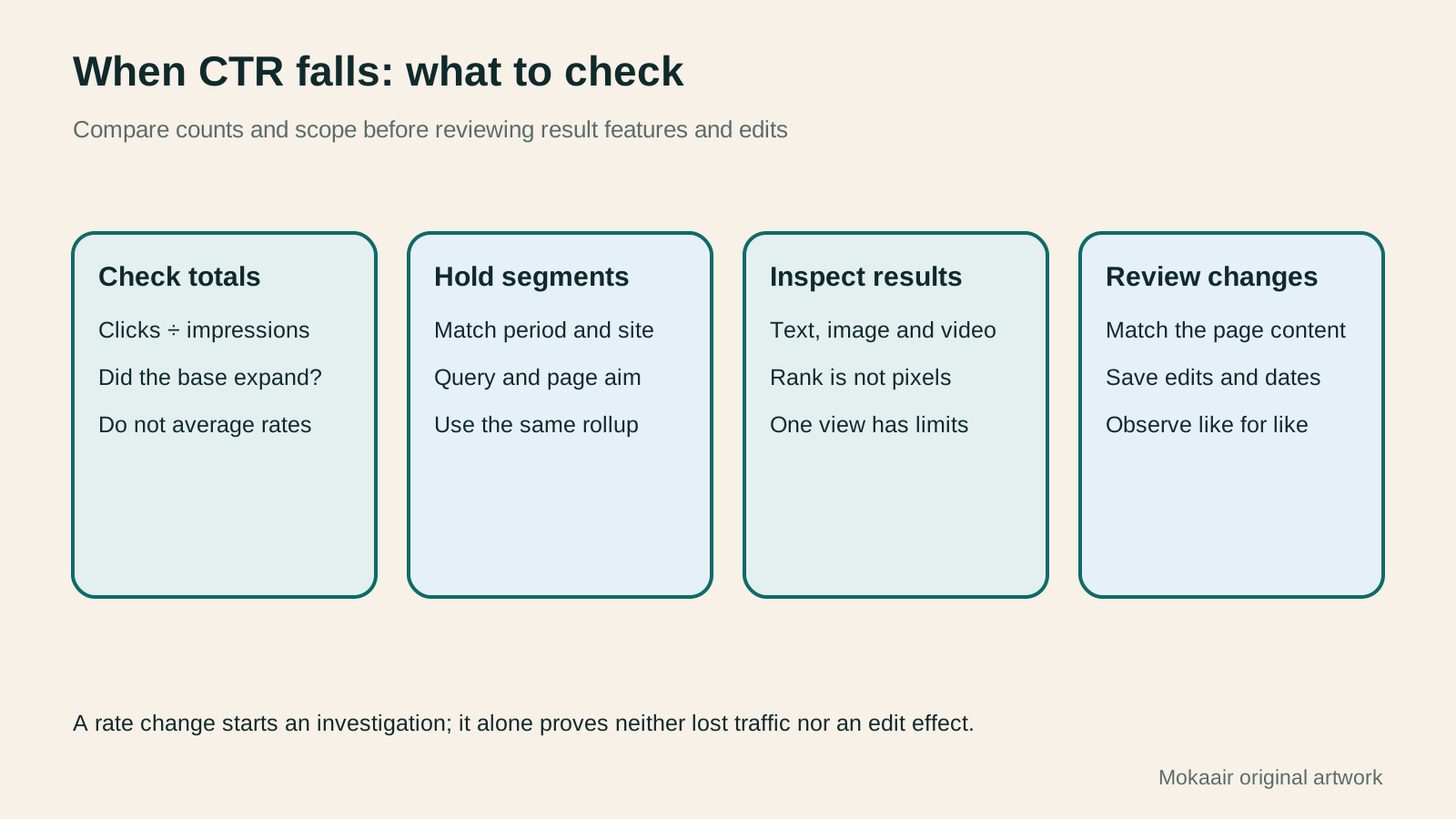
This original example does not yet explain why. Broader queries may have appeared, positions may differ, or the device mix of impressions may have shifted. Identify which segment changed before deciding whether to update anything. Also distinguish percentage points from relative percent: a move from 10% to 6% is a 40% relative decrease.
To calculate overall CTR across mutually exclusive segments, divide total clicks by total impressions; do not average the row percentages. Do not force rows grouped in different ways into a total. If impressions are zero, the rate has no usable denominator: keep it as not applicable rather than inventing a comparable success rate.
Hold conditions steady to find the changing query segment
In Search Console's Performance report, first set the search type, time range and property, and turn on impressions, clicks, CTR and average position. Then segment by page, query, country or device. Compare two complete periods under the same conditions; do not put a half-day of latest data beside a full day.
Start with a page that needs improvement, then distinguish readers seeking the brand, instructions or product information. Apply grouping rules written in advance; do not keep changing the categories after seeing results until they support a preferred conclusion. If a term could serve several purposes, reserve it for manual review rather than forcing it into one group.
At the time checked, Google's guidance said the table changes its aggregation with the selected dimension. Page-level and whole-property data, for example, cannot always be added or compared directly. Keep filters, dimensions and dates with each export. Recheck the comparison basis especially after changing Search appearance or a page filter.
An impression does not mean every reader viewed the content in full
Impression rules differ. An ordinary search item and a result widget that must be scrolled or expanded may not use the same rule. An impression therefore does not mean a reader carefully read the title. Check the official definition for a particular result type before treating all impressions as equivalent levels of attention.
Likewise, multiple links within AI Overviews share that feature’s position value. An improved average position does not necessarily mean an ordinary text link moved up, nor can it alone establish how many clicks AI brought or took away. Preserve the limits of each result type, and describe causes without direct evidence as hypotheses to test.
When manually viewing results, record the date, query, region and device. A screenshot or note represents that observation only. Even incognito mode does not make one view a universal result for all users. Use observations to raise questions; examine long-term changes in data with a consistent scope.
Revise titles and snippets to fit the page's purpose
If relevant queries receive impressions but the title does not clearly say what the page solves, clarify it. For a bread tutorial, the full steps, applicable equipment and common failure causes should match the page's actual content. Do not add untested guarantees or exaggerated time promises just to make the wording more attractive.
Google generates title links automatically from several sources; the site's title element is one input. A change must still be processed and is not guaranteed to appear verbatim. Record the previous wording, edit date and reason so a later review knows whether you clarified the purpose or added new information.
Snippets mainly come from page content and sometimes use the meta description; different queries can show different snippets. Maintainers should check whether the body answers the question clearly, rather than edit only SEO fields while leaving outdated content. Accurate, verifiable descriptions help readers decide whether to visit.
- Fix the report property, period and search type; retain raw impression and click counts.
- Segment by page, query purpose and device; check that aggregation is comparable.
- Record the observed result features and form a specific hypothesis about clicks.
- Adjust a title, snippet or page answer to match the content, then observe under the same conditions.
Evaluate with a complete record, without rushing to claim causation
Result tables may omit some anonymized queries and limit the rows shown, so their totals may differ from chart totals. Official guidance also warns that an export may turn a symbol for not applicable or nonnumeric data into zero. Preserve its original meaning in reports; do not treat every converted zero as a real measurement.
A few clicks can strongly affect CTR in a small sample. Use a more complete observation period and note holidays, campaigns or publication dates, without promising that a set number of days will yield a clear result. Check the counts of related queries and pages too, so an aggregate does not hide opposing trends among groups.
A before-and-after gap is not experimental proof. Search demand, competing content and result features may all change. Reports should separate observed figures, edits made and causes still uncertain. Even when clicks rise, check whether the page helps readers complete their task; improvement should mean more than a single ratio.
| Original example period | Impressions | Clicks | CTR |
|---|---|---|---|
| Earlier | 1,000 | 100 | 10% |
| Later | 2,500 | 150 | 6% |
| Change | +1,500 | +50 | Down 4 percentage points |
Build a regular Search Console review workflow
Write a search title that fits the page’s purposeHow to write article titles: Show search readers the scope and purposeA useful title tells readers before they click what problem an article addresses, when it applies, and what information they will get. Using original rewrites of everyday tutorials, this guide checks the topic, purpose, limits, and evidence behind title promises. It explains why the page heading, HTML title, and Google search title may differ, then offers prepublication checks and post-change observation without stuffing keywords, claiming tests that never happened, or adding an unverified year.Read the full article
Separate reader tasks by search intentHow to Identify Search Intent: Turn Keywords into Questions Worth AnsweringThe same keyword can signal learning, comparison, finding a specific entry point or taking action. Using original luggage-storage examples, this guide shows how to judge intent from wording, time and place, result formats and your own query data, then turn a hypothesis into a clear content task. It includes an observation table, ways to handle mixed intent, content-format choices and later validation. Do not copy ranking pages or treat one search-results screen as the answer for every reader.Read the full article
Lifestyle
Technical SEO audit order: crawling, indexing, rendering, and site structure
A useful technical SEO audit needs reproducible evidence and a sensible repair order. Using a site relaunch as an example, this guide explains how to sample page templates and check public access, indexing directives, JavaScript rendering, canonical URLs, and site structure. It separates urgent repairs, scheduled improvements, and later observation so that a general site owner can hand actionable findings to maintainers without treating a passing test as a ranking guarantee.
Lifestyle
How to write article titles: Show search readers the scope and purpose
A useful title tells readers before they click what problem an article addresses, when it applies, and what information they will get. Using original rewrites of everyday tutorials, this guide checks the topic, purpose, limits, and evidence behind title promises. It explains why the page heading, HTML title, and Google search title may differ, then offers prepublication checks and post-change observation without stuffing keywords, claiming tests that never happened, or adding an unverified year.
Lifestyle
How to Identify Search Intent: Turn Keywords into Questions Worth Answering
The same keyword can signal learning, comparison, finding a specific entry point or taking action. Using original luggage-storage examples, this guide shows how to judge intent from wording, time and place, result formats and your own query data, then turn a hypothesis into a clear content task. It includes an observation table, ways to handle mixed intent, content-format choices and later validation. Do not copy ranking pages or treat one search-results screen as the answer for every reader.
Lifestyle
A beginner's SEO learning roadmap: make your site readable before measuring traffic and results
SEO beginners need not memorize ranking factors or buy a suite of tools. Using a small Taiwan website, this guide orders five topics: how search works, site readability, content planning, Search Console metrics, and results. Exercises by stage, a resource table, and a change log help you make pages readers and search engines can understand, then plan further work from data instead of tool scores or short-term swings.
Articles that cite this one
Latest travel guides

GuideTokyo
Where to Stay in Tokyo: Comparing Shinjuku, Ueno, Tokyo Station, Shibuya, Asakusa, Ikebukuro, and Ginza, Plus Airport Access, Accommodation Tax, and Luggage Delivery
Where should you stay in Tokyo? Compare Shinjuku, Ueno, Tokyo Station, Shibuya, Asakusa, Ikebukuro, and Ginza by the same criteria: access from Narita and Haneda, transit routes, nearby attractions, neighborhood character, and who each area suits. Includes a comparison table, a Yamanote Line diagram, Tokyo’s accommodation tax as verified in 2026/9 (changing to 3% in 2027/4), and Airport TA-Q-BIN luggage shipping rules.
- Budget
- Hotels
GuideTokyo
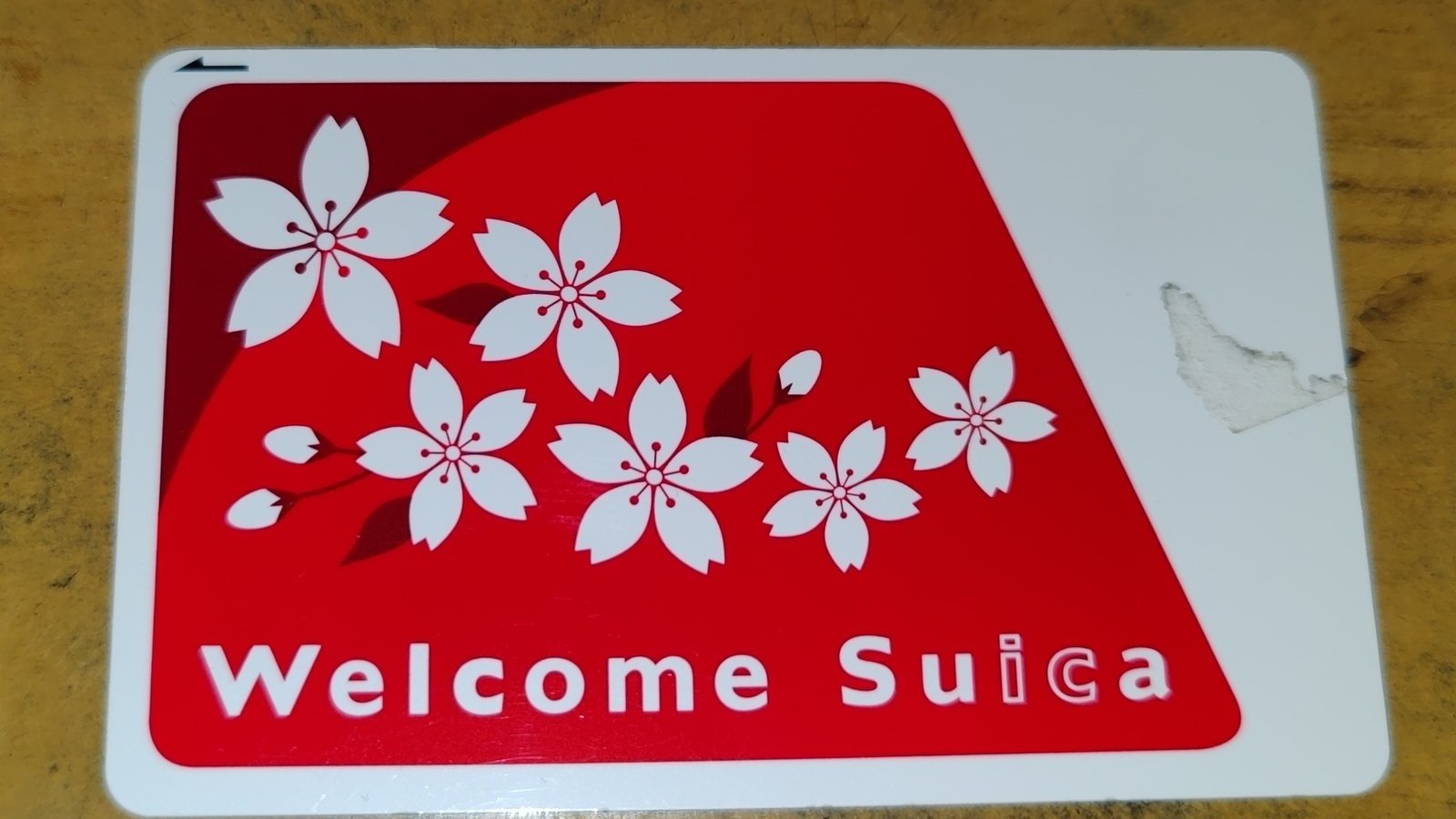
How to Choose Tokyo Transit Passes: Are Suica, Welcome Suica, the Tokyo Subway Ticket, and the JR Pass Worth It?
On a first Tokyo trip, start with an IC card and pay per ride (Welcome Suica has no deposit and is valid for 28 days). If you take four or more subway rides in a day, add a 72-hour Tokyo Subway Ticket for 2,000 yen; a JR Pass is never worthwhile if you stay in Tokyo and do not go to Kansai. See what TOURIST PASMO, Suica on iPhone, and the Tokyo Metro day pass do and do not cover, with a decision chart. Prices verified in September 2026.
- Transport
- Budget

GuideTokyo
Tokyo Disneyland and DisneySea Guide: Ticket Prices, Fantasy Springs, Disney Premier Access (DPA), Standby Pass, and Which Park to Choose for Your First Visit
Tokyo Disney one-day Passport prices vary: most weekdays in 9/2026 cost ¥9,900 and weekends ¥10,900. At 14:00 daily, tickets go on sale for the same date two months later. Free Priority Pass is no longer on the official service list; only paid Disney Premier Access (¥1,000–3,500 per person per use) shortens waits. Covers hours, the 25th anniversary, Standby Pass, Entry Request, Fantasy Springs access and first-visit park choice; checked on the official site in 9/2026.
- Itineraries
- Family
Sources
- Google Search visual elements · Checked:
- Google definitions of search impressions, position and clicks · Checked:
- Search Console Performance report and segments · Checked:
- Search Console data aggregation and exports · Checked:
- Search Console data differences and anonymized queries · Checked:
- How Google generates title links · Checked:
- Google snippets and meta descriptions · Checked: