Lifestyle
Understanding Google Search updates: lessons from Panda, Penguin and Hummingbird
Panda, Penguin and Hummingbird are useful names in the history of Google Search, but they cannot diagnose every traffic drop today. Using current Google guidance, this guide places each in its historical context, distinguishes core updates from manual actions and technical failures, then walks through dates, page groups, content and links. An original community-events website example shows how to keep evidence without chasing obsolete tactics or rewriting a whole site at once.
About 7 min read
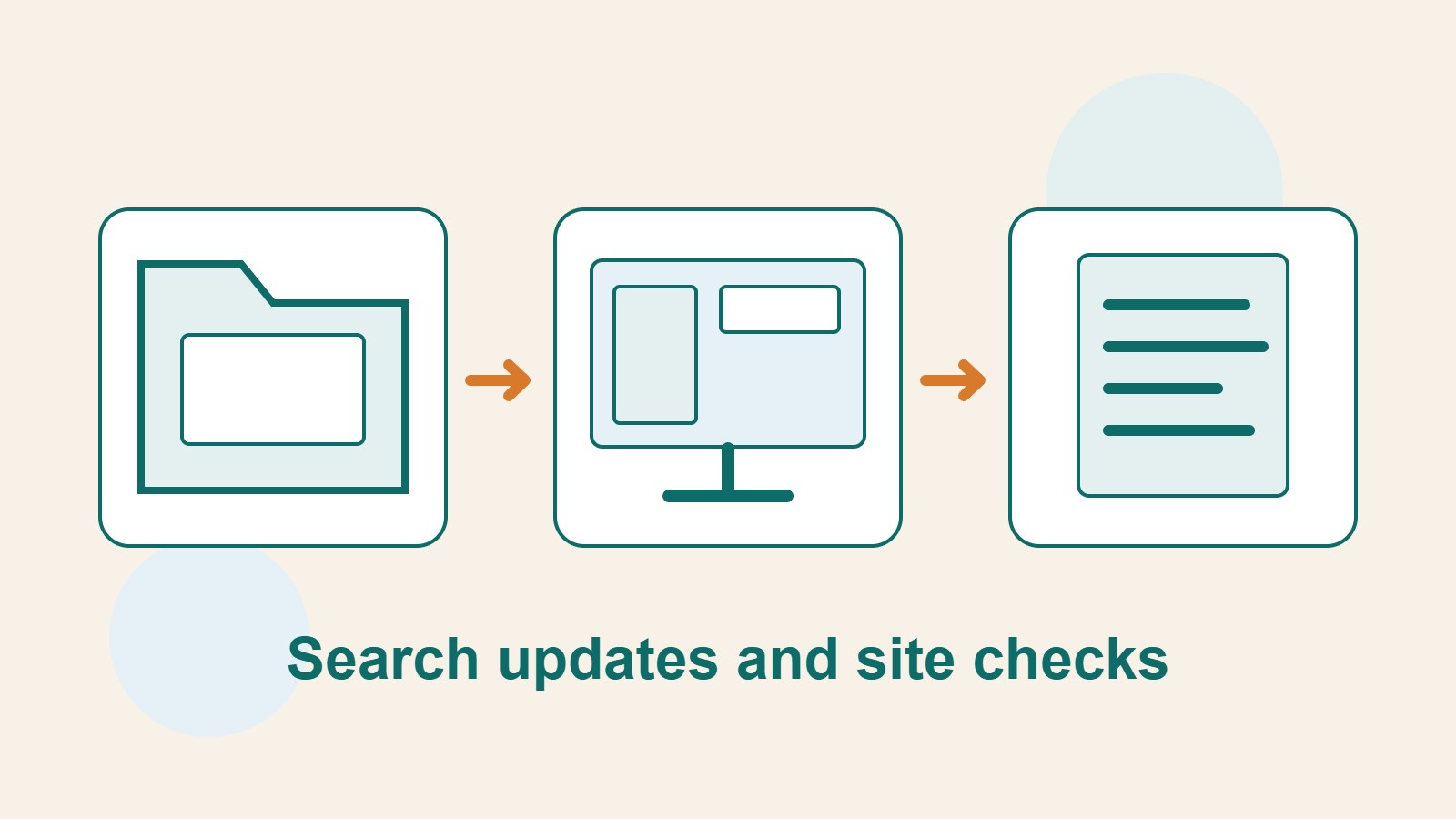
When Search traffic falls, one person blames Panda, another blames Penguin, and someone else suggests turning every keyword into a question. Those claims mix different eras of Search history and may explain nothing about your site today. Separate names, events and evidence before deciding what to investigate.
Search systems keep changing. History helps explain why content quality, manipulative links and understanding users' needs matter; it is not a permanent recipe for the algorithm. This guide neither declares that a real site has been penalized nor promises protection from every update.
Put three historical names in their proper place
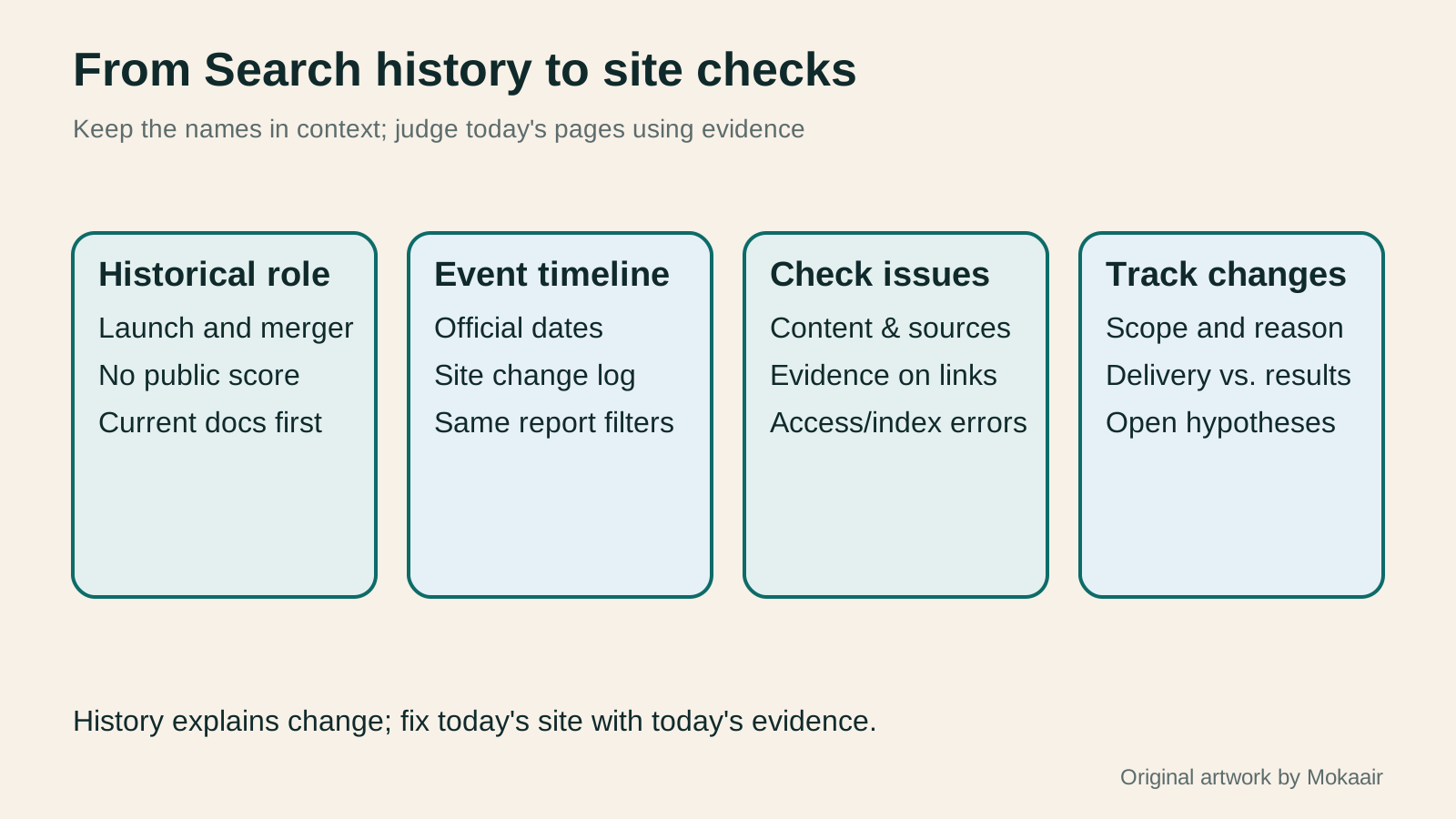
According to Google's current guide to ranking systems, Panda launched in 2011 to help surface high-quality original content and became part of the core ranking systems in 2015. That history helps explain the emphasis on useful content. It does not imply that a public, current Panda score exists for you to check.
Penguin launched in 2012 to tackle link spam and was integrated into the core ranking systems in 2016. Google's announcement at the time described more real-time and granular data updates. That was a change in a historical version of the system, not a promise that fixing links today will restore rankings within a set number of days.
Hummingbird was a major improvement to the overall ranking systems in August 2013. Google's guide places all three names among retired or incorporated systems. Do not imagine three gates that still require separate plugins to unlock. Current systems continue to evolve, so consult current guidance too.
Distinguish system updates from problems on an individual site
A core update is a broad change to Google's Search algorithms and systems. Google says it does not target a particular site or page. A ranking change may reflect a reassessment of available content; it does not automatically mean you broke a rule, and a traffic chart alone cannot establish a penalty.
Manual actions have a separate review and notification channel, with a report in Search Console. Technical failures are another category: a hosting outage, an accidental noindex directive or missing redirects after a move. Calling all three an algorithm hit can hide an error you could check immediately.
Suppose a community-events website is redesigned in September and some old URLs stop working just as news of an update appears. Put both events on the timeline instead of choosing the most popular explanation first. Fix a verified error when you find one; continue observing the Search update separately.
Align dates and data ranges first
Check Google's Search status and ranking-update information. Record when an event started and finished, then compare it with your own release, migration, tracking and content-change records. A date in an online discussion might mark the post or one person's observation, not the official boundary of an update.
To assess a core update, Google recommends waiting at least a full week after it finishes before comparing suitable periods of Search Console data. That is advice for analyzing an update, not a reason to leave payment failures, inaccessible pages or security problems unresolved.
Keep Search type, country or region, device and page scope consistent. Do not compare web Search before an update with image Search afterward. Look at a longer period or a comparable season last year as well. A natural fall in demand after an event ends calls for a different response from clicks lost because pages disappeared.
- List site changes and official events, retaining the source, event date and date recorded.
- Keep report filters consistent and choose complete periods that can be compared.
- Group by page type, query and device to locate where the impact is concentrated.
- Separate confirmed problems, possible causes and missing evidence before planning fixes.
Bring Panda's history back to today's content review
Do not ask only whether an article is long enough. Ask whether readers can complete the task it promises. If a registration guide's title promises instructions but the body merely introduces the organizer, add eligibility, steps, dates and exceptions. Adding a few hundred words at the end would miss the real gap.
When sampling affected pages, check whether sources can be verified, information is out of date, many pages repeat the same answer, and images or examples add value. Compare what content does rather than copying someone else's paragraph order. Do not invent first-hand experience with a feature you have not tested.
Keep content that still helps people, and correct omissions and errors first. Google's core-update guidance advises against sweeping changes to content that is performing well over small fluctuations and treats deletion as a last resort. Do not delete every short article or change every date to today just to chase a historical name.
Use Penguin and Hummingbird history to find durable principles
For links, investigate arrangements intended to manipulate rankings, such as buying many irrelevant links or requiring partners to repeatedly exchange exact keyword anchors. An unfamiliar referring site alone needs fact-checking. Current Google spam policies and the conditions for disavowing links are a better basis for action than a recovery anecdote from a decade ago.
For reader needs, explain the situation and its limits in natural language. Someone asking what happens when an event is canceled needs a clear order for finding notices, refunds or rescheduling information, not repeated variants of the event name. This is an editorial principle proposed here, not a claim that Hummingbird favors one sentence pattern or template.
These principles do not mean that good content makes technical access irrelevant. Pages must be appropriately accessible, and important information should be easy to find. Keep separate content, link and technical checklists so each issue has matching evidence instead of bundling every change into one 'algorithm fix.'
Improve a small area and keep a record
Choose one important group of affected pages and write down the reason and acceptance check for each change. You might add verified registration limits, fix two broken sources and combine old paragraphs answering the same question. At completion, verify that these changes appear correctly; assess Search performance over a separately defined period.
Avoid changing the domain, redesigning, deleting articles and rewriting titles on the same day when possible, because later changes become hard to attribute. If several changes must happen together, preserve a mapping, dates and rollback information. Without a controlled comparison, describe an observation as a clue, not proof that one edit caused all growth.
Google does not guarantee a return to the previous ranking after improvements, or a universal waiting period for every site. Your record should keep answering two questions: which confirmed problems are fixed, and which hypotheses still need data. Then the next system update can be assessed against your own evidence.
| Name or situation | Google's position | How to use it today |
|---|---|---|
| Panda | Launched in 2011; joined core in 2015 | Review originality and usefulness |
| Penguin | Launched in 2012; joined core in 2016 | Check current link-spam policies |
| Hummingbird | Major system improvement in August 2013 | Understand history, not magic wording |
| Core update | Broad change, not aimed at one site | Check completion dates and comparable data |
| Manual action or technical failure | Separate notices or verifiable errors | Act on the specific cause and evidence |
Check technical SEO issues against evidenceTechnical SEO audit order: crawling, indexing, rendering, and site structureA useful technical SEO audit needs reproducible evidence and a sensible repair order. Using a site relaunch as an example, this guide explains how to sample page templates and check public access, indexing directives, JavaScript rendering, canonical URLs, and site structure. It separates urgent repairs, scheduled improvements, and later observation so that a general site owner can hand actionable findings to maintainers without treating a passing test as a ranking guarantee.Read the full article
Review content quality and verification stepsSEO Article Quality Checklist: Sources, Useful Detail and MaintenanceA content quality review checks whether evidence, interpretation, instructions and images agree. Using a comparison of digital note-taking tools, this guide shows how to map claims to sources, distinguish official features from hands-on tests, add the details readers need to compare options, and check image rights, titles, summaries and update ownership. An editorial checklist and correction workflow make ‘finished’ mean verifiable, readable and maintainable, not merely long enough.Read the full article
Decide when backlink action is appropriate
Lifestyle
Technical SEO audit order: crawling, indexing, rendering, and site structure
A useful technical SEO audit needs reproducible evidence and a sensible repair order. Using a site relaunch as an example, this guide explains how to sample page templates and check public access, indexing directives, JavaScript rendering, canonical URLs, and site structure. It separates urgent repairs, scheduled improvements, and later observation so that a general site owner can hand actionable findings to maintainers without treating a passing test as a ranking guarantee.
Lifestyle
How to write article titles: Show search readers the scope and purpose
A useful title tells readers before they click what problem an article addresses, when it applies, and what information they will get. Using original rewrites of everyday tutorials, this guide checks the topic, purpose, limits, and evidence behind title promises. It explains why the page heading, HTML title, and Google search title may differ, then offers prepublication checks and post-change observation without stuffing keywords, claiming tests that never happened, or adding an unverified year.
Lifestyle
How to Identify Search Intent: Turn Keywords into Questions Worth Answering
The same keyword can signal learning, comparison, finding a specific entry point or taking action. Using original luggage-storage examples, this guide shows how to judge intent from wording, time and place, result formats and your own query data, then turn a hypothesis into a clear content task. It includes an observation table, ways to handle mixed intent, content-format choices and later validation. Do not copy ranking pages or treat one search-results screen as the answer for every reader.
Lifestyle
A beginner's SEO learning roadmap: make your site readable before measuring traffic and results
SEO beginners need not memorize ranking factors or buy a suite of tools. Using a small Taiwan website, this guide orders five topics: how search works, site readability, content planning, Search Console metrics, and results. Exercises by stage, a resource table, and a change log help you make pages readers and search engines can understand, then plan further work from data instead of tool scores or short-term swings.
Latest travel guides

GuideTokyo
Where to Stay in Tokyo: Comparing Shinjuku, Ueno, Tokyo Station, Shibuya, Asakusa, Ikebukuro, and Ginza, Plus Airport Access, Accommodation Tax, and Luggage Delivery
Where should you stay in Tokyo? Compare Shinjuku, Ueno, Tokyo Station, Shibuya, Asakusa, Ikebukuro, and Ginza by the same criteria: access from Narita and Haneda, transit routes, nearby attractions, neighborhood character, and who each area suits. Includes a comparison table, a Yamanote Line diagram, Tokyo’s accommodation tax as verified in 2026/9 (changing to 3% in 2027/4), and Airport TA-Q-BIN luggage shipping rules.
- Budget
- Hotels
GuideTokyo
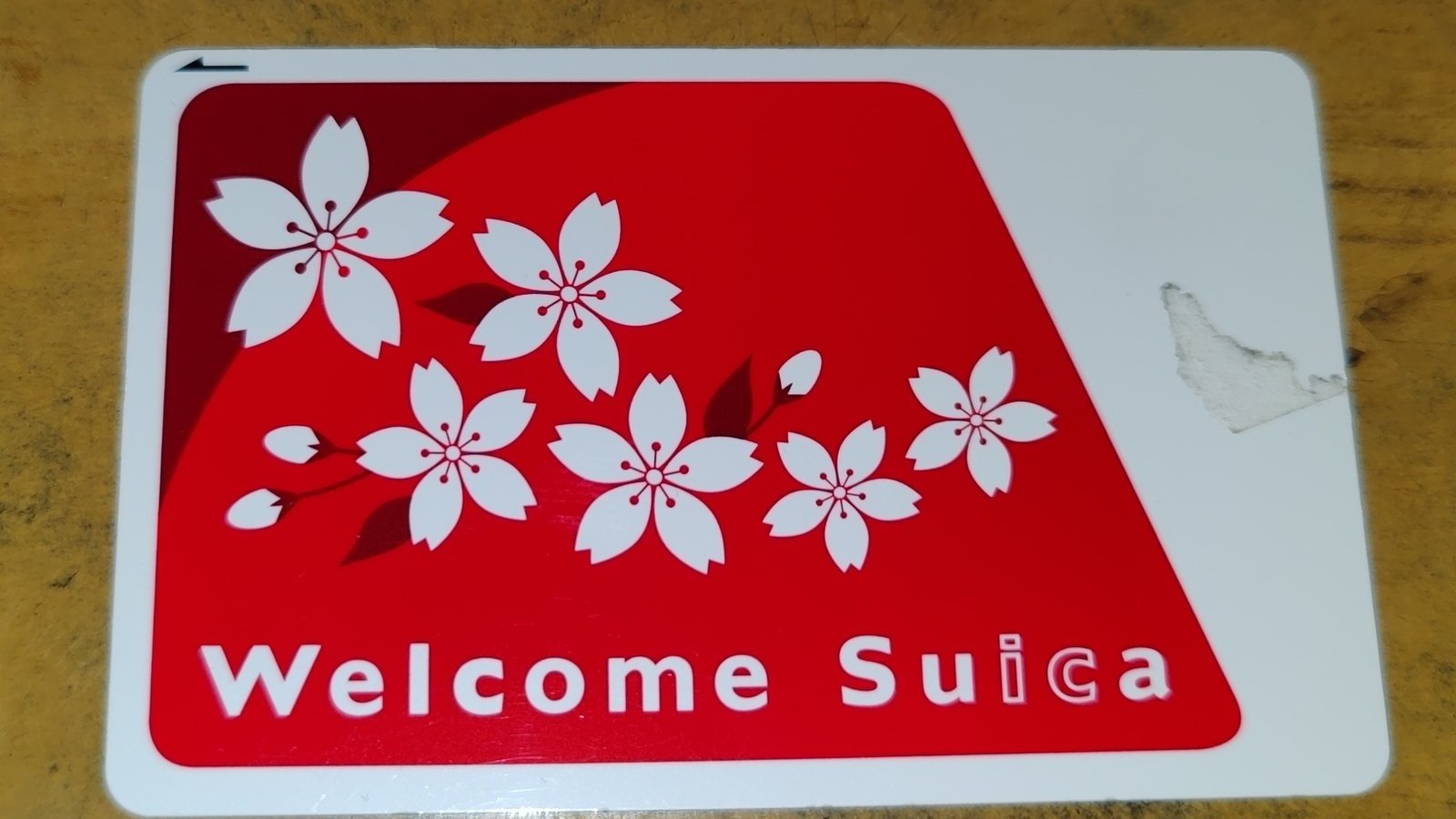
How to Choose Tokyo Transit Passes: Are Suica, Welcome Suica, the Tokyo Subway Ticket, and the JR Pass Worth It?
On a first Tokyo trip, start with an IC card and pay per ride (Welcome Suica has no deposit and is valid for 28 days). If you take four or more subway rides in a day, add a 72-hour Tokyo Subway Ticket for 2,000 yen; a JR Pass is never worthwhile if you stay in Tokyo and do not go to Kansai. See what TOURIST PASMO, Suica on iPhone, and the Tokyo Metro day pass do and do not cover, with a decision chart. Prices verified in September 2026.
- Transport
- Budget

GuideTokyo
Tokyo Disneyland and DisneySea Guide: Ticket Prices, Fantasy Springs, Disney Premier Access (DPA), Standby Pass, and Which Park to Choose for Your First Visit
Tokyo Disney one-day Passport prices vary: most weekdays in 9/2026 cost ¥9,900 and weekends ¥10,900. At 14:00 daily, tickets go on sale for the same date two months later. Free Priority Pass is no longer on the official service list; only paid Disney Premier Access (¥1,000–3,500 per person per use) shortens waits. Covers hours, the 25th anniversary, Standby Pass, Entry Request, Fantasy Springs access and first-visit park choice; checked on the official site in 9/2026.
- Itineraries
- Family
Sources
- Google's guide to Search ranking systems and their history · Checked:
- Google's 2016 announcement that Penguin joined the core · Checked:
- Google's guide to core updates · Checked:
- Google's guide to debugging Search traffic drops · Checked:
- Google's current spam policies · Checked: