Lifestyle
Organize phone photos: preserve them first, remove duplicates, then make albums you will revisit
You do not have to decide the fate of every photo at once. First check the originals and their copies, then distinguish duplicates, similar shots and images that tell a story, and build a few albums worth returning to.
About 4 min read

A photo library full of burst shots, screenshots and images downloaded from chats can leave you stuck thinking that every picture might be useful. Instead of exhausting your patience by starting with your oldest photos, decide what you want the organizing to achieve: finding pictures of people more easily, preserving a gathering, or freeing up some space. This guide suggests an order for the work; it does not decide which memories you should delete.
Check where your photos are before deciding what to delete
Review the photo service and sync settings you use, and check whether the originals are on your phone, in the cloud or on another device. If a backup or transfer is in progress, wait until the files are readable and spot-check them before cleaning up. Services differ in how deletions sync and how long deleted items are retained, so experience on one phone does not tell you what will happen in every account. If your goal is only to free up phone storage, read about the relevant feature instead of treating deletion of the original as a universal solution.
Choose a recent month or a single event first, with a scope small enough to finish. Keep the people, places, emotions and important details, then deal with repeated downloads or out-of-focus images. Before removing photos shared with family, check whether others still need them; do not delete shared material just because you do not like it. Handle private photos and screenshots containing identity information with appropriate permissions, and do not casually upload them to an unfamiliar organizing service.
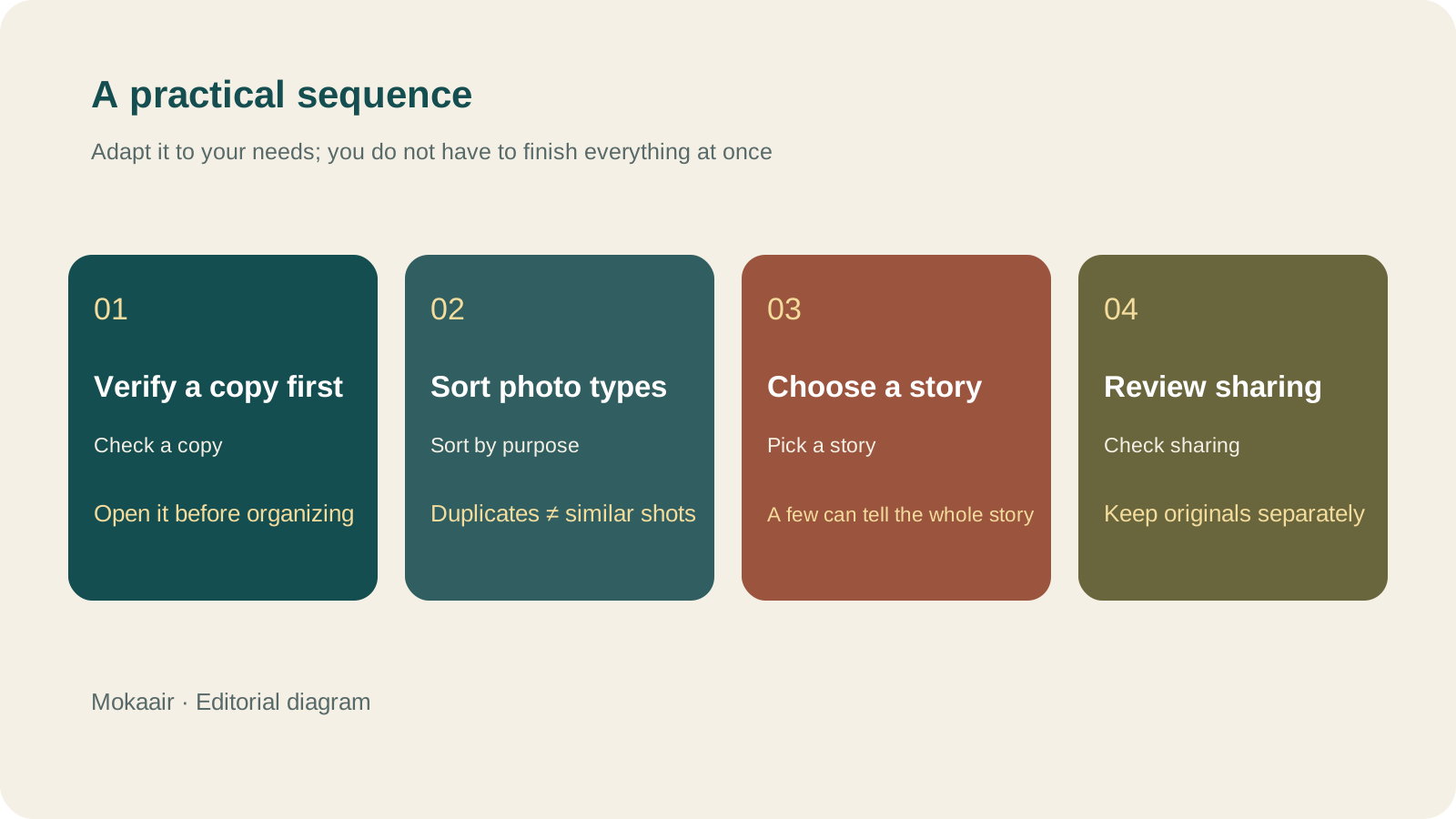
Read the full description
Check in order: verify a copy, sort photo types, choose a story, then review sharing. An editorial guide, not a map or measured timings.
Duplicates and similar shots call for different decisions
| Photo type | What to assess | Suggested action |
|---|---|---|
| Duplicates identified by the system | Compare the content and the information retained | Use the merge feature after checking |
| Several shots of the same scene | Compare expressions, composition and the story | Keep representative shots or a complete action sequence |
| Informational screenshots | Check whether the information is still needed | Organize it into the relevant file or task before deciding |
| Imperfect but emotionally meaningful photos | Consider whether they hold an important memory | Do not make image quality the only reason to keep or delete them |
Apple's iPhone User Guide describes a feature for merging duplicate photos and videos among the items identified by the system. This does not mean it will find every photo that looks similar, or choose your family's favorite expression for you. Look at the differences in each group before deciding whether to merge it. If you cannot find the category, check the instructions for your current system rather than concluding that your library definitely contains no duplicates.
Use an album to tell one story, not as another backup
Give an album a clear subject, such as “Grandma's birthday” or “This year's balcony plants,” rather than a vague name like “Favorites two.” Select photos that show a beginning, a middle and an ending, instead of including ten shots from the same angle. Whether adding a photo to an album creates a separate copy depends on the service. Do not assume that sorting photos into albums means you have backed them up elsewhere. For long-term storage, you still need to arrange copies of the original files.
Keep incoming photos manageable
After each gathering or photo session, choose representative shots first, then decide which material to keep. Review automatic chat downloads, screenshots and camera photos separately; they do not all need the same retention approach. Before sharing, check album members and link permissions, and look for accidentally included addresses, children's personal information or portraits you do not want public. After sharing, keep the originals and backups in locations you clearly understand.
- Confirm that a copy is readable before deleting photos in bulk.
- Start with a small, manageable selection.
- Use tools to help identify duplicates, and choose the story yourself.
- Manage album organization and backups separately.
Can't find your files? Build a simple naming system with purpose, date and statusCan't find your files? Build a simple naming system with purpose, date and statusYou do not need to organize your entire computer at once. Start with files you will use soon, keep names and locations consistent, and make it easy to remember search terms and identify the version that is ready to share.Read the full article
Lifestyle
Desk cable organization isn't just about looks: label each cable's purpose, specs, and where it's used
A USB-C connector can look identical from cable to cable, yet charging and data capability may differ. Identify what each cable does before you plan the routing and labels, so daily plugging in and out doesn't turn into guesswork.
Lifestyle
Keep Buying Household Supplies You Already Have? Track Location, Quantity, and Restocking Status in a Simple Inventory Sheet
Start with supplies you often buy twice, without building a warehouse system. Help everyone at home see where things are, how much remains, and who has already restocked, so the list better matches what is actually there.
Lifestyle
Before buying new electronics (3C): define your needs, check compatibility, and consider repair and end-of-use costs
A specification sheet can compare products, but it cannot decide whether you need one. Turn problems you have actually encountered into buying requirements, then check compatibility and ongoing costs so you do not bring home another unused tool.
Lifestyle
How to use a shared household calendar: make it clear who is going out, who takes over and when plans change
A shared calendar does not need everyone's entire private life. Share only the plans that need coordination, state responsibilities, locations and changes clearly, and choose permissions that let the household maintain it together.
Articles that cite this one
Latest travel guides

GuideTokyo
Where to Stay in Tokyo: Comparing Shinjuku, Ueno, Tokyo Station, Shibuya, Asakusa, Ikebukuro, and Ginza, Plus Airport Access, Accommodation Tax, and Luggage Delivery
Where should you stay in Tokyo? Compare Shinjuku, Ueno, Tokyo Station, Shibuya, Asakusa, Ikebukuro, and Ginza by the same criteria: access from Narita and Haneda, transit routes, nearby attractions, neighborhood character, and who each area suits. Includes a comparison table, a Yamanote Line diagram, Tokyo’s accommodation tax as verified in 2026/9 (changing to 3% in 2027/4), and Airport TA-Q-BIN luggage shipping rules.
- Budget
- Hotels
GuideTokyo
How to Choose Tokyo Transit Passes: Are Suica, Welcome Suica, the Tokyo Subway Ticket, and the JR Pass Worth It?
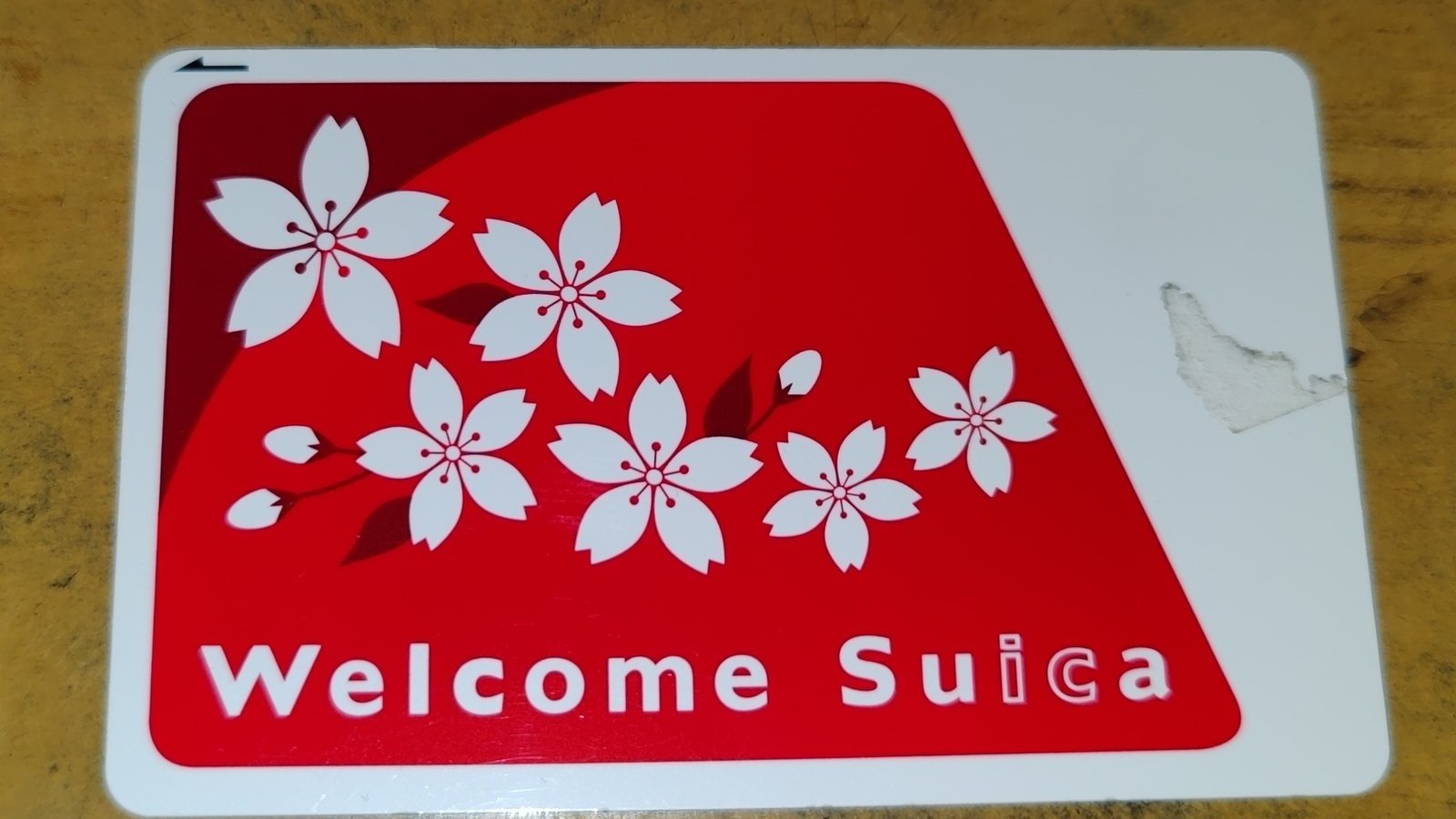
On a first Tokyo trip, start with an IC card and pay per ride (Welcome Suica has no deposit and is valid for 28 days). If you take four or more subway rides in a day, add a 72-hour Tokyo Subway Ticket for 2,000 yen; a JR Pass is never worthwhile if you stay in Tokyo and do not go to Kansai. See what TOURIST PASMO, Suica on iPhone, and the Tokyo Metro day pass do and do not cover, with a decision chart. Prices verified in September 2026.
- Transport
- Budget

GuideTokyo
Tokyo Disneyland and DisneySea Guide: Ticket Prices, Fantasy Springs, Disney Premier Access (DPA), Standby Pass, and Which Park to Choose for Your First Visit
Tokyo Disney one-day Passport prices vary: most weekdays in 9/2026 cost ¥9,900 and weekends ¥10,900. At 14:00 daily, tickets go on sale for the same date two months later. Free Priority Pass is no longer on the official service list; only paid Disney Premier Access (¥1,000–3,500 per person per use) shortens waits. Covers hours, the 25th anniversary, Standby Pass, Entry Request, Fantasy Springs access and first-visit park choice; checked on the official site in 9/2026.
- Itineraries
- Family