Lifestyle
Japan's FSA Sets Up an Onchain Finance Forum: Stablecoins, Tokenized Deposits and JGB Tokenization Go Into a Cross-Ministry Review
On September 25, 2026, Japan's Financial Services Agency announced a cross-ministry 「AI時代を見据えたオンチェーン金融フォーラム」 (an Onchain Finance Forum With an Eye on the AI Era), putting stablecoins, tokenized deposits, JGB tokenization and quantum-computing risk on one review list. This sets up a forum for review, not a law change or approval of any product; its first meeting is scheduled for September 30 and is closed to the public (verified September 2026).
About 15 min read
On September 25, 2026, Japan's Financial Services Agency (FSA, 金融庁) announced that it is setting up the 「AI時代を見据えたオンチェーン金融フォーラム」 (an Onchain Finance Forum With an Eye on the AI Era). The FSA says that as AI and blockchain technologies advance, the mechanics of financial transactions are changing, and that it is important to advance the social implementation of blockchain-based onchain finance and to promote the sound use of AI by financial institutions and others. On that basis, the FSA, under the name 「AI時代を見据えたオンチェーン金融イニシアティブ」 (the Onchain Finance Initiative With an Eye on the AI Era), is setting up this cross-cutting review forum together with relevant ministries and agencies. The announcement page does not list which ministries and agencies the relevant ministries and agencies actually are.
Outside the forum, two separate study groups are reviewing their own items. This announcement is not a change of law, not approval of any product, and neither a Bank of Japan decision nor a new rule on crypto-asset trading. The first meeting is scheduled for September 30, 2026 (Wednesday), Japan time 14:00 to 15:00, and is not open to general observers. The material for this piece was verified on September 26, 2026; we have tested no service ourselves, and this offers no investment or legal advice.
What Was Announced on September 25
The same day, the FSA separately published notice of the forum's first meeting, titled 〈「AI時代を見据えたオンチェーン金融フォーラム」(第1回)の開催について〉 (On the Holding of the First Meeting of the Onchain Finance Forum With an Eye on the AI Era). The notice states that the first meeting is scheduled for September 30, 2026 (Wednesday), Japan time 2:00 to 3:00 p.m. (14:00–15:00), which converts to Taipei time 1:00 to 2:00 p.m. (13:00–14:00) — a conversion by the editors; the venue is the Central Government Building No. 7 in Tokyo.
The agenda is marked 「予定」 (scheduled) and runs, in order, opening, 「関係省庁等報告」 (report from relevant ministries and agencies), discussion, and closing; the notice lists no resolution items and does not say that any part will be livestreamed. The notice states that general observers are not admitted, and that what the FSA publishes on its website afterward is a 「議事概要」 (summary of proceedings), not a verbatim record. As of the date this piece was verified (September 26, 2026), the meeting had not yet taken place, and there was no summary yet to cite.
The FSA's announcement page also attaches two PDFs: 別紙1 (Attachment 1) is a diagram of the structure of the forum and the two study groups, and 別紙2 (Attachment 2) is an excerpt from a July 21, 2026 financial strategy (see section three below). The office in charge is the 「暗号資産・ステーブルコイン課」 (Crypto-Assets and Stablecoin Division) under the Asset Management and Insurance Bureau — also the one place on the page where the term 暗号資産 (crypto-assets) appears; the page does not state when this division was established.
What the Forum and the Two Study Groups Each Look At
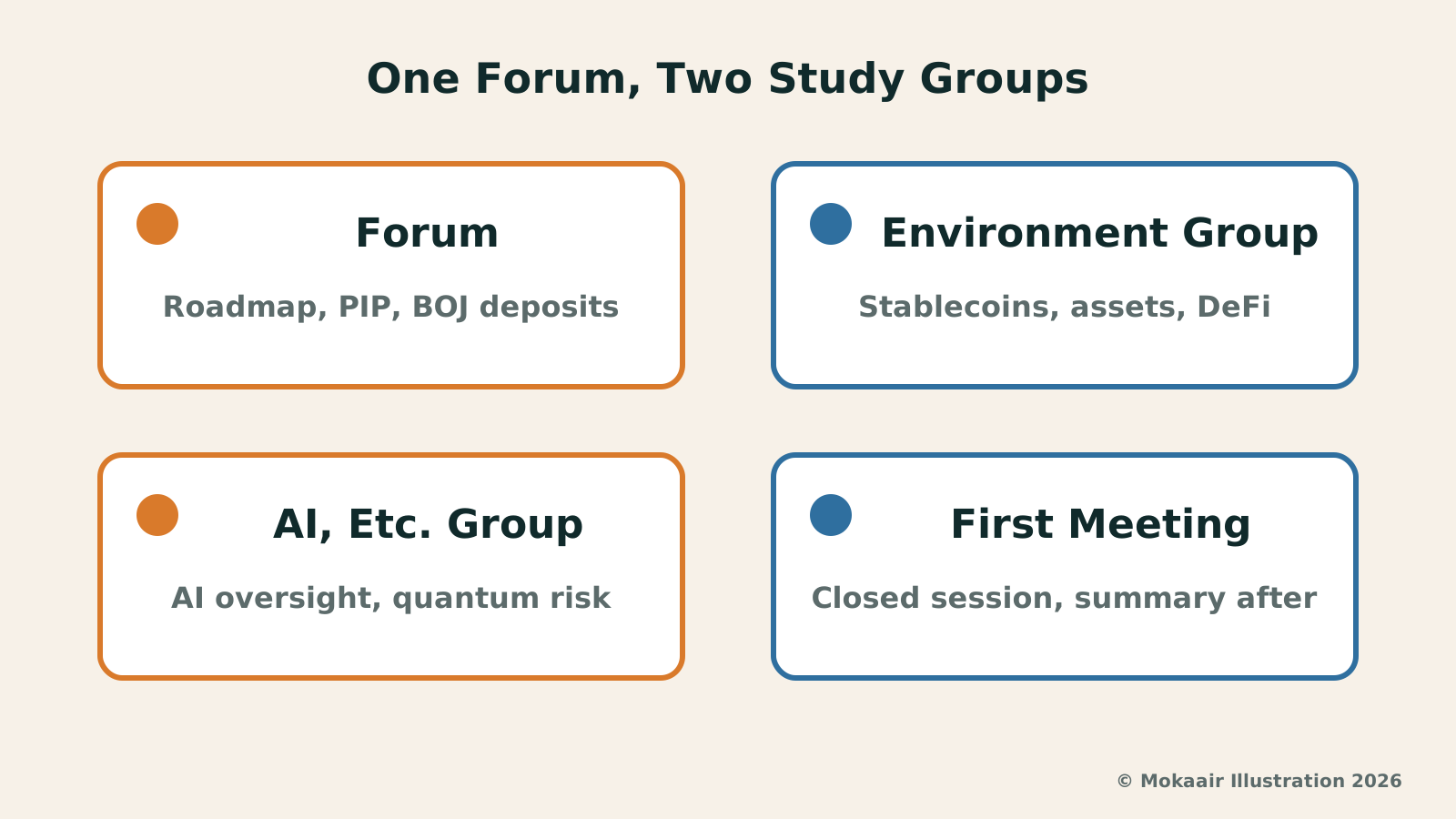
別紙1 diagrams the overall structure; the forum box's subheading is 「オンチェーン金融の社会実装・AI等の健全な利活用の推進」 (advancing the social implementation of onchain finance and the sound use of AI, etc.). The items listed in the box include a roadmap made through public-private cooperation, continuing and expanding the existing 「決済高度化プロジェクト(PIP)」 (Payments Innovation Project), promoting the construction of new payment systems, cooperation and outreach toward implementing onchain finance internationally, and an onchain response for 日銀当座預金 (funds financial institutions hold on current account at the Bank of Japan); also listed are using stablecoins (SC) and tokenized deposits for public payments, sorting out how stablecoins are treated across laws and regulations, and a tokenization response for JGBs and the like. Both the onchain response for BOJ current-account deposits and JGB tokenization are work items under the forum — they are not an item of either study group, nor a decision the Bank of Japan or the Ministry of Finance has already made on its own.
Besides the forum itself, two study groups review two further matters: environment development, and adaptation to AI and other technologies. The environment-development study group's full name is 「デジタル・分散型金融への対応のあり方等に関する研究会」 (Study Group on the Approach to Responding to Digital and Decentralized Finance, Etc.); its box states 「点検・検討」 (review and examine) the approach to systems for tokenization of various assets, stablecoins, and DEXs, DeFi and wallet-providing operators (ウォレット提供業者), among other things. The AI study group's full name is 「AI等の健全な利活用の推進に関する研究会」 (Study Group on Promoting the Sound Use of AI, Etc.); its box has three items: the sound use of AI, etc. by financial institutions, the appropriate approach to market and financial-institution oversight as AI spreads, and grasping the risk of compromise posed by quantum computers. 別紙1 does not say whether these two study groups are newly formed or already existing, who their members are, or when they will meet.
In other words, the same document splits the work into three tracks: items the forum handles itself, items the environment-development study group handles, and items the AI study group handles. The table below sets out what each of the three tracks lists, and the verb the document uses to describe those items.
| Body | Items Listed (Excerpted) | Verb the Document Uses |
|---|---|---|
| Forum | Roadmap; continuing and expanding PIP; new payment systems; international cooperation; onchain response for BOJ current-account deposits; SC and tokenized deposits for public payments; sorting out SC's treatment in law; JGB tokenization | 検討を行う (carrying out review) |
| Study Group ①: Environment Development | Tokenization of various assets, stablecoins, DEX, DeFi and wallet-providing operators | 点検・検討 (review and examine) |
| Study Group ②: AI, Etc. | Sound use of AI at financial institutions, oversight approach as AI spreads, quantum-computing compromise risk | 検討を進める (advancing review) |
What the July 21 Financial Strategy Says
別紙2 excerpts the 《成長投資を促進するための金融戦略》 (Financial Strategy for Promoting Growth Investment) of July 21, 2026; the excerpt itself does not say which body drew it up. The strategy takes the view that in an era of 「エージェンティックコマース」 (agentic commerce), in which AI agents carry out economic activity autonomously, commercial transactions will no longer be bound by language or time-zone differences, and payments are expected to keep pace; if Japan's payment infrastructure cannot keep pace, it may (the original says 「おそれ」, meaning a risk or possibility) deepen dependence on overseas payment infrastructure, weaken Japan's competitiveness and raise economic-security risk. These are all the strategy's own views, not things that have already happened.
The plan the July strategy wrote at the time was to set up this forum in summer 2026 and to carry out review that includes (the original says 「含め」, i.e., not the full scope) three perspectives: advancing the social implementation of onchain finance, environment development, and adaptation to AI and other technologies. The timetable the strategy wrote was to first compile a 「中間整理」 (interim summary) in early 2027 — a schedule, not a final conclusion; neither of the two pages published on September 25 restates this timetable. The strategy also says the necessary expansion of the FSA's organization will be reviewed, again using the word 「検討する」 (review).
The strategy also lists five bodies whose progress will be followed up: the Bank of Japan, which will compile, 「年内」 (within the year), the state of its review of the implementation issues and the path to realizing an onchain response for BOJ current-account deposits; industry associations (unnamed), which will review what banking business should look like in an era in which tokenized deposits and the like are linked to logistics and commercial-flow data; the Digital Agency, which will review the possibility of using stablecoins or tokenized deposits for public payments; the Cabinet Secretariat's digital administrative and fiscal reform council secretariat, which will conduct a cross-ministry review of treating stablecoins as equivalent to money, among other things, to sort out and clarify their treatment in law; and the Ministry of Finance, which will review a tokenization response for JGBs and the like and making it possible for principal and interest payments to be made onchain according to investor needs. These five are subjects whose progress is being followed up; the strategy does not list them as members of the forum.
Three Points Easiest to Misread
First, the onchain response for BOJ current-account deposits is only one work item inside the forum's box; the July strategy states that the Bank of Japan will compile the state of its review 「年内」 (within the year), and this is not an announcement from the Bank of Japan itself. None of the four documents contains the word CBDC, so this cannot be written up as the Bank of Japan having decided to put reserves onchain, or as having already launched a digital yen.
Second, DEXs, DeFi and wallet-providing operators are listed under the environment-development study group; the July strategy states that the appropriate approach to risk-reduction measures (including regulation matched to the technology's nature, neither too much nor too little) will be reviewed while watching developments in other countries — this is still at the review stage, not an opening already decided, and it cannot be characterized as only easing or only tightening.
Third, the term 暗号資産 (crypto-assets) appears in the four documents only in the name of the office in charge, the 「暗号資産・ステーブルコイン課」 (Crypto-Assets and Stablecoin Division); the body text does not mention the trading, listing or operator rules for crypto-assets, and no coin, token or operator name appears anywhere. This announcement is not a new rule on the regulation of crypto-asset trading.
What This Means for Readers in Taiwan, and How to Follow Up
None of the FSA's four documents mentions Taiwan; the international section states only that the FSA will hold dialogue with regulators in other countries and create a public-private policy dialogue framework with Asia, without naming any particular country or region in Asia. This announcement brings no change to any service Taiwanese users can use today; readers can treat this kind of cross-ministry division of work as a reference point to watch.
To follow this yourself, you can go from the 「開催実績」 link on the meeting-notice page to the forum's own page and wait for the summary of proceedings to be published after the meeting; you can also watch for the interim summary the July strategy places in early 2027, which is likewise a scheduled timetable that has not yet arrived. This piece covers only what the FSA published on September 25, 2026; any later announcement needs to be verified separately.
Frequently asked questions
Did the FSA revise any crypto-asset-related law with this announcement?
No. What the FSA announced is the establishment of a forum for cross-cutting review, not a change of law. As of September 26, 2026, none of the FSA's four documents mentions a legal amendment or a bill; the verb used for the items in the environment-development study group's box is 「点検・検討」 (review and examine), not approval already given or a law already amended.
Has the Bank of Japan already decided to put reserves onchain as a form of central bank digital currency?
None of the FSA's four documents says so. An onchain response for BOJ current-account deposits is one work item inside the forum's box; the excerpt from the July 21 financial strategy the FSA attached states that the Bank of Japan will, within the year, compile the state of its review of implementation issues and the path to realizing it — this is not an announcement from the Bank of Japan itself. None of the four documents mentions a CBDC either.
Can the public observe or watch a livestream of the first meeting on September 30?
Not as an observer. The meeting notice states that the first meeting does not admit general observers, and what the FSA publishes on its website afterward is a 「議事概要」 (summary of proceedings), not a verbatim record; the notice also does not say any part will be livestreamed.
Are DeFi and wallet-providing operators about to be allowed to operate freely?
No. DEXs, DeFi and wallet-providing operators are listed under the environment-development study group; the July financial strategy states that the appropriate approach to risk-reduction measures (including regulation matched to the technology's nature, neither too much nor too little) will be reviewed while watching developments in other countries. This is a direction under review, not an opening already decided, and it cannot be characterized as only easing or only tightening.
Which bodies or people take part in the forum or the two study groups?
None of the FSA's four documents lists the members or a chair for the forum or the study groups. The July financial strategy names the Bank of Japan, industry associations, the Digital Agency, the Cabinet Secretariat's secretariat and the Ministry of Finance, but these five are subjects whose review progress is being followed up — the documents do not write them in as forum members; the documents also do not name which industry association is meant.
Will this announcement affect any service Taiwanese users can use today?
None of the FSA's four documents mentions Taiwan. This announcement is Japan setting up a domestic cross-ministry review forum, and it changes nothing about any service available to Taiwanese users today; if concrete measures follow later, they will need to be verified separately.
2026 Crypto News Roundup: Key Developments in Regulation, Technology and Industry2026 Crypto News Roundup: Key Developments in Regulation, Technology and IndustryThis site's 2026 crypto news explainers, in six jurisdictions — Taiwan, the US, the UK, the EU, Japan, South Korea: the Virtual Asset Service Act, the proposed GENIUS Act rules, the joint SEC–CFTC interpretation and the SEC's own proposal, the end of MiCA's transitional period and its link to the payment rules, the FCA's perimeter guidance, Japan's FSA reports and South Korea's manipulation referrals. Regulation, technology and industry only, no prices, with official sources and a check date.Read the full article
Japan's Financial System Council Report Recommends Moving Crypto-Assets to the FIEA: The Related Act Has Been Enacted, No Commencement Date SeenJapan's Financial System Council Report Recommends Moving Crypto-Assets to the FIEA: The Related Act Has Been Enacted, No Commencement Date SeenOn February 16, 2026 Japan's FSA published on its English website a Provisional Translation of the report of the Financial System Council's Working Group on Crypto-asset Systems; the report itself is dated December 10, 2025. From the FSA's announcement page, the full report and its reference material: why it recommends moving crypto-assets from the Payment Services Act to the Financial Instruments and Exchange Act, and how the related bill has progressed since.Read the full article
Lifestyle
Taiwan's Central Bank on Stablecoins, Deposit Tokens and CBDC: Layers Can Coexist, No Urgency Yet for Retail CBDC
On September 17, 2026, the Central Bank of the Republic of China (Taiwan) compared stablecoins, deposit tokens and central bank digital currency (CBDC), saying there is no urgency to issue a retail CBDC while research and trials continue on the wholesale side. This article covers who issues each, how they circulate and are regulated, and Taiwan's trial progress; the FSC's separate deposit-token pilot five days later is a different story (checked September 2026).
Lifestyle
South Korea Refers 4 Suspected Virtual-Asset Manipulation Cases to Investigators: API-Made Fake Activity, Issuer-Inflated Volume to Keep a Listing
On September 23, 2026, South Korea's Financial Services Commission resolved at its 16th regular meeting to refer or notify investigators about 4 suspected virtual-asset market manipulation cases it investigated together with the Financial Supervisory Service; this article summarizes the methods described in each case and the regulator's warnings to ordinary investors from the official press-reference material, without naming any coin, exchange or amount (checked September 2026).
Lifestyle
Brazil's Petrobras tests Cardano blockchain to track claims about cleaner jet fuel and diesel
According to CoinDesk, Brazil's state-owned energy company Petrobras is testing the Cardano blockchain in two research projects: one to stop the same emissions cut from sustainable aviation fuel being counted twice, the other to record the history of its partly renewable Diesel R. Both are still research work, with no timeline for wider use.
Lifestyle
Cboe and S&P Dow Jones Indices extend their S&P 500 options deal to 2051 and leave the door open to tokenized options
According to CoinDesk, exchange operator Cboe and index provider S&P Dow Jones Indices have extended Cboe's exclusive right to offer S&P 500 options by 25 years, to 2051. The deal says they may explore blockchain-based 'tokenized' options, but no product, timeline or details were announced. Here is what that means and what it does not.
Articles that cite this one
Latest travel guides

GuideTokyo
Where to Stay in Tokyo: Comparing Shinjuku, Ueno, Tokyo Station, Shibuya, Asakusa, Ikebukuro, and Ginza, Plus Airport Access, Accommodation Tax, and Luggage Delivery
Where should you stay in Tokyo? Compare Shinjuku, Ueno, Tokyo Station, Shibuya, Asakusa, Ikebukuro, and Ginza by the same criteria: access from Narita and Haneda, transit routes, nearby attractions, neighborhood character, and who each area suits. Includes a comparison table, a Yamanote Line diagram, Tokyo’s accommodation tax as verified in 2026/9 (changing to 3% in 2027/4), and Airport TA-Q-BIN luggage shipping rules.
- Budget
- Hotels
GuideTokyo
How to Choose Tokyo Transit Passes: Are Suica, Welcome Suica, the Tokyo Subway Ticket, and the JR Pass Worth It?
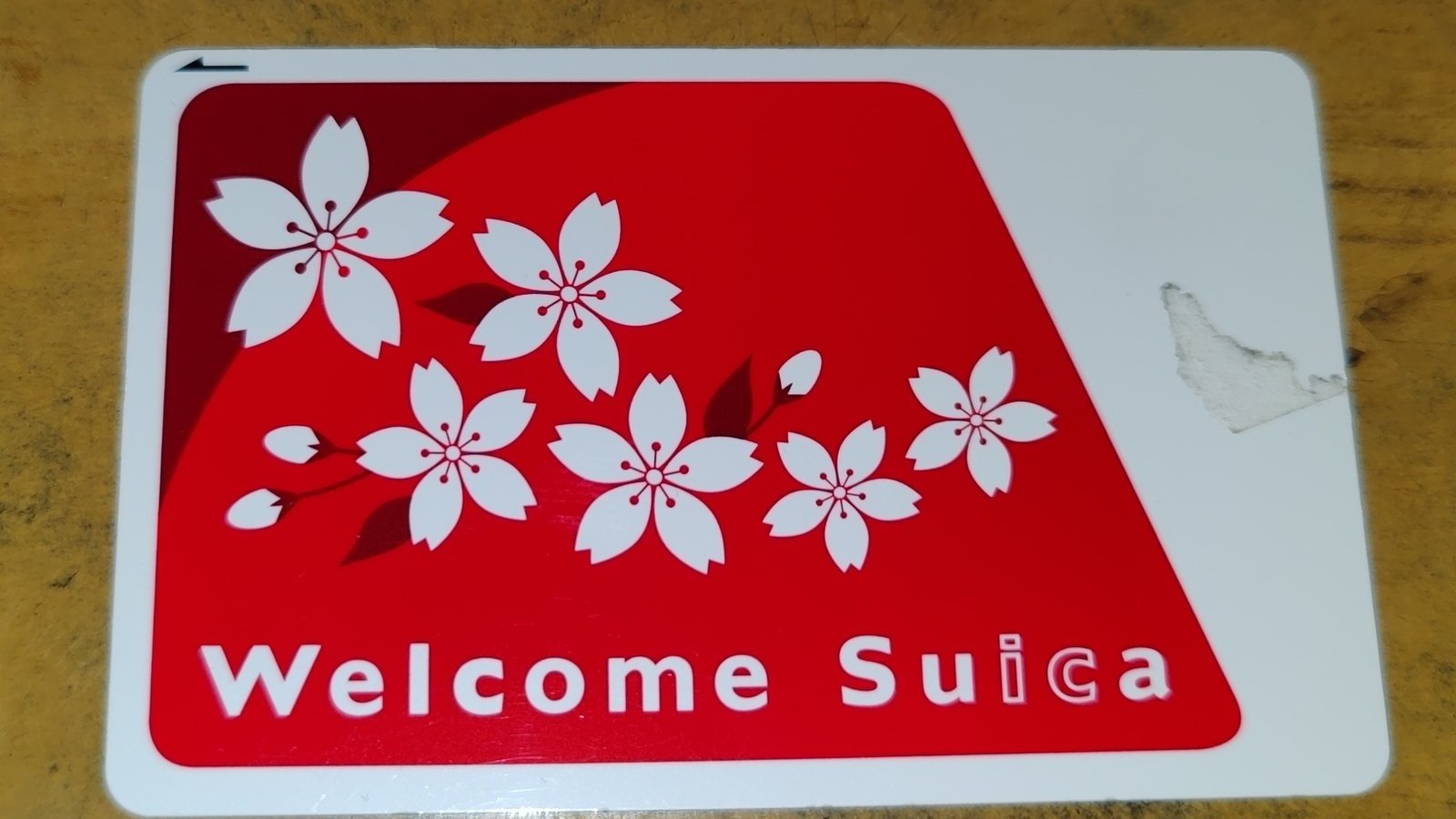
On a first Tokyo trip, start with an IC card and pay per ride (Welcome Suica has no deposit and is valid for 28 days). If you take four or more subway rides in a day, add a 72-hour Tokyo Subway Ticket for 2,000 yen; a JR Pass is never worthwhile if you stay in Tokyo and do not go to Kansai. See what TOURIST PASMO, Suica on iPhone, and the Tokyo Metro day pass do and do not cover, with a decision chart. Prices verified in September 2026.
- Transport
- Budget

GuideTokyo
Tokyo Disneyland and DisneySea Guide: Ticket Prices, Fantasy Springs, Disney Premier Access (DPA), Standby Pass, and Which Park to Choose for Your First Visit
Tokyo Disney one-day Passport prices vary: most weekdays in 9/2026 cost ¥9,900 and weekends ¥10,900. At 14:00 daily, tickets go on sale for the same date two months later. Free Priority Pass is no longer on the official service list; only paid Disney Premier Access (¥1,000–3,500 per person per use) shortens waits. Covers hours, the 25th anniversary, Standby Pass, Entry Request, Fantasy Springs access and first-visit park choice; checked on the official site in 9/2026.
- Itineraries
- Family
Sources
- FSA: 「AI時代を見据えたオンチェーン金融フォーラム」について (About the Onchain Finance Forum With an Eye on the AI Era) · Checked:
- FSA: 「AI時代を見据えたオンチェーン金融フォーラム」(第1回)の開催について (On the Holding of the First Meeting) · Checked:
- FSA (Attachment 1): AI時代を見据えたオンチェーン金融イニシアティブ (PDF) · Checked:
- FSA (Attachment 2): Excerpt from 「成長投資を促進するための金融戦略」 (Financial Strategy for Promoting Growth Investment), July 21, 2026 (PDF) · Checked: