Lifestyle
Peak XV raises its Surge seed investment ceiling to $5 million per startup as the Series A bar rises, unveils 18-startup Surge 12 cohort
According to TechCrunch, venture capital firm Peak XV now invests up to $5 million per startup through Surge, its seed-stage platform, up from $3 million. Its managing director says the bar for the next funding round has risen, which means early-stage founders in AI, robotics, space and healthcare may need more money sooner. The new 18-startup Surge 12 cohort is the first to get the higher ceiling.
About 7 min read

What happened: a higher seed investment ceiling
According to TechCrunch, Peak XV Partners is one of the largest venture capital firms investing in markets such as India and Southeast Asia. A venture capital firm invests in young private companies in exchange for a stake. Peak XV manages more than $10 billion in assets. The firm has increased how much it invests in each startup through Surge, its seed-stage investment platform. The seed stage is the earliest round of outside funding for a startup. It also unveiled Surge 12, a new cohort (a batch of startups joining the programme together) of 18 companies. Surge 12 is the first cohort to use the new ceiling of up to $5 million per company. The previous ceiling was $3 million.
Peak XV says it invested more than $50 million in total in this cohort, and the cohort as a whole raised more than $90 million in seed funding. TechCrunch notes that Peak XV's median investment per company (the middle value across the companies) has also increased, but the firm declined to disclose the figure. At least three companies had already secured outside funding before joining Surge, some of it from Peak XV itself.
Read the full description
Sources are collected, independently checked, then reviewed by Jev.
Peak XV managing director Rajan Anandan said in an interview: "The bar to raise a Series A has gone up pretty significantly." A Series A is the first large funding round after the seed stage. According to TechCrunch, he also said the firm is seeing more capital-intensive companies raising larger rounds at the seed stage. Capital-intensive companies are those that need a lot of money up front. He said this is particularly true in deep tech, meaning products built on hard science or engineering such as robots and satellites.
By the numbers: Surge 12 versus before
| Item | Previously | Surge 12 (per Peak XV/TechCrunch) |
|---|---|---|
| Investment ceiling per company | $3 million | Up to $5 million |
| Median investment per company | Not disclosed | Increased, but specific figure not disclosed |
| Cohort size | — | 18 startups |
| Peak XV's total investment in this cohort | — | More than $50 million |
| Combined seed funding of the cohort | — | More than $90 million |
| Market focus | — | 5 focused on India, 13 targeting global markets |
According to TechCrunch, Surge launched in 2019, when Peak XV still operated as Sequoia Capital India and Southeast Asia. Since then it has backed more than 180 startups whose founders come from more than 18 nationalities. Peak XV says the 10 largest companies from past cohorts now generate more than $1 billion in combined annual revenue. In Surge 12, more than half of the companies are based in India, but only 5 focus on the Indian market.
AI and deep tech startups in the cohort
According to TechCrunch, the cohort spans AI, robotics, space, consumer products, healthcare, music and fintech. The companies below are the ones the report describes as most closely tied to AI or deep tech:
- HiLoop: a post-training platform that helps AI companies adapt general-purpose open-weight models for specific applications. Open-weight models are AI models whose trained internals are published so others can modify them. Post-training means training such a model further to specialise it.
- Reinforce Labs: builds tools to evaluate, red-team (deliberately attack to find weaknesses) and fix enterprise AI systems.
- Alma: building a personal computing platform aimed at making computer use faster and more affordable.
- August AI: a healthcare platform combining AI with physician-led care, reportedly reaching more than 9 million users in 160 countries.
- Kello: an AI-powered talent discovery platform focused on a candidate's potential and trajectory rather than mainly on conventional credentials.
- Puralink: develops autonomous robots that can navigate underground pipe networks.
- ULOOK: building autonomous satellite systems for radio-frequency sensing and spectrum intelligence. It had raised about $2.3 million in seed funding before joining Surge.
- Ditto: an AI dating matchmaker that runs inside iMessage. Earlier this year it announced a $9.2 million seed round led by Peak XV.
- Rosella: building an AI-native commercial insurance brokerage for US businesses. Earlier this year it raised a pre-seed round (funding before the seed round) of about $2.5 million.
Three other startups have not yet revealed their names or products. Peak XV says they work in education, applied AI and medical products.
What it means for general readers
Anandan says the bar to raise a Series A has risen significantly. If so, startups may need more money at the seed stage to build products good enough to attract that next round. For general readers, this could mean that new AI services, and deep tech products such as robots and satellites, have longer development periods and more early investment behind them.
The list also includes companies working on AI safety and model adaptation, such as Reinforce Labs' tools for testing enterprise AI and HiLoop's post-training platform. This reflects investor interest in foundational AI tools. However, an investment does not mean a product is mature or widely available. Before using any of these services, check its privacy policy and actual features yourself. This article does not constitute investment or purchasing advice of any kind.
FAQ
What is Surge?
According to TechCrunch, Surge is Peak XV's seed-stage investment platform. It launched in 2019, when Peak XV still operated as Sequoia Capital India and Southeast Asia. Anandan says it is one of Peak XV's ways of investing at the seed stage, alongside its standard seed investing.
How much was the investment ceiling raised?
According to TechCrunch, the per-company investment ceiling rose from $3 million to up to $5 million. Surge 12 is the first cohort to get the new ceiling.
Why is Peak XV increasing its seed investment amounts?
Anandan said the bar to raise a Series A has risen significantly. He also said the firm is seeing more capital-intensive companies, particularly in deep tech, raising larger rounds at the seed stage. The report gives no other reasons.
Are all Surge 12 startups focused only on India?
No. According to TechCrunch, more than half of the companies are based in India, but only 5 of the 18 focus on the Indian market. The other 13 target global markets.
What do 'seed' and 'Series A' mean?
They are stages of startup funding. A seed round is a young company's earliest round of outside funding, used to build and test its product. A Series A is the first large round that follows. Anandan's point is that startups now have to show more before they can raise a Series A.
Does this report mean I should invest in or use these companies?
No. This article only summarises the news and does not constitute investment, purchasing or usage advice.
Browse the latest news in this topic
Lifestyle
NVIDIA launches DGX Spark 64GB: on sale October 23 from $4,999, two units can be linked into 128GB
On October 2, 2026, NVIDIA announced a more affordable 64GB memory version of its DGX Spark personal AI computer, available from October 23 through six makers including Acer and ASUS. It is aimed mainly at developers and researchers who want to run AI models on their own machines. Below we summarize the specs NVIDIA published, its claims about linking two units, and what it means for general readers.
Lifestyle
Google Cloud Launches Spanner Queues: Putting Message Queues Inside Database Transactions to Make AI Agents More Reliable
Google Cloud has announced the general availability of Spanner queues, which make message creation part of a database transaction. The aim is to stop AI agents' "state" and "actions" from falling out of sync. This article covers Google Cloud's claims, the main features, and what it means for general readers.
Lifestyle
GPT-6.1 Sol Launches: New Sol Version in the API, Codex and ChatGPT Work, Not in Chat
OpenAI launched GPT-6.1 Sol on September 29, 2026, with the API name gpt-6.1-sol. The launch rollout covers Codex and ChatGPT Work on Plus, Pro, Business, Enterprise and Edu (Enterprise and Edu need an administrator to enable it); Free and Go are not included at launch, and it is not in Chat (checked September 2026).
Lifestyle
Claude Sonnet 5.5 Launches: Same List Price as Sonnet 5, Available in the API, on Cloud Platforms and in Claude.ai
Anthropic launched Claude Sonnet 5.5 on September 28, 2026. API list prices are the same as Sonnet 5 ($2 per million input tokens, $10 per million output tokens). It is available in Claude.ai, the API and several cloud platforms, and higher-risk cybersecurity requests fall back to Sonnet 5 (checked September 2026).
Latest travel guides
GuideTokyo
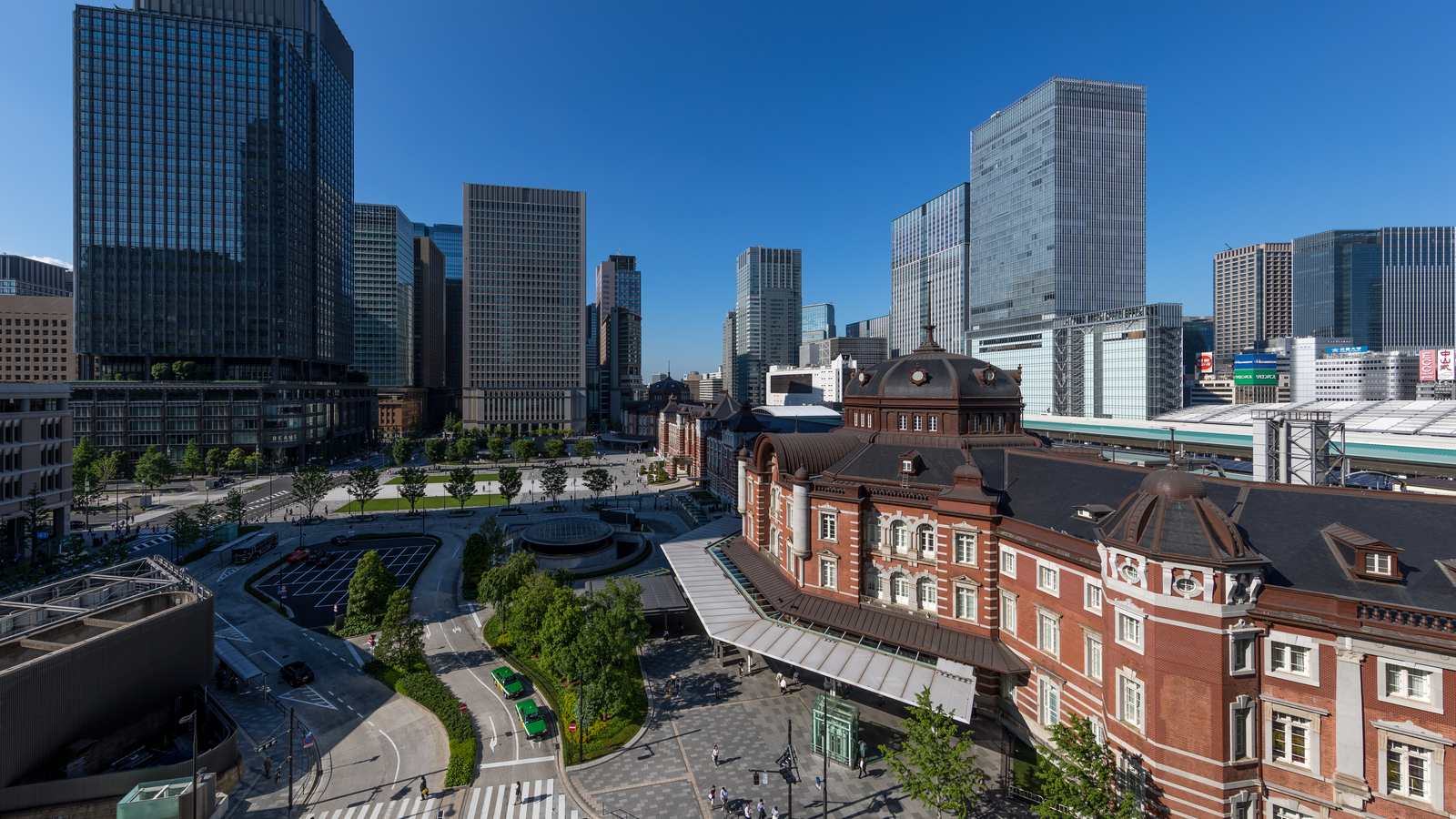
Where to Stay in Tokyo: Comparing Shinjuku, Ueno, Tokyo Station, Shibuya, Asakusa, Ikebukuro, and Ginza, Plus Airport Access, Accommodation Tax, and Luggage Delivery
Where should you stay in Tokyo? Compare Shinjuku, Ueno, Tokyo Station, Shibuya, Asakusa, Ikebukuro, and Ginza by the same criteria: access from Narita and Haneda, transit routes, nearby attractions, neighborhood character, and who each area suits. Includes a comparison table, a Yamanote Line diagram, Tokyo’s accommodation tax as verified in 2026/9 (changing to 3% in 2027/4), and Airport TA-Q-BIN luggage shipping rules.
- Budget
- Hotels
GuideTokyo
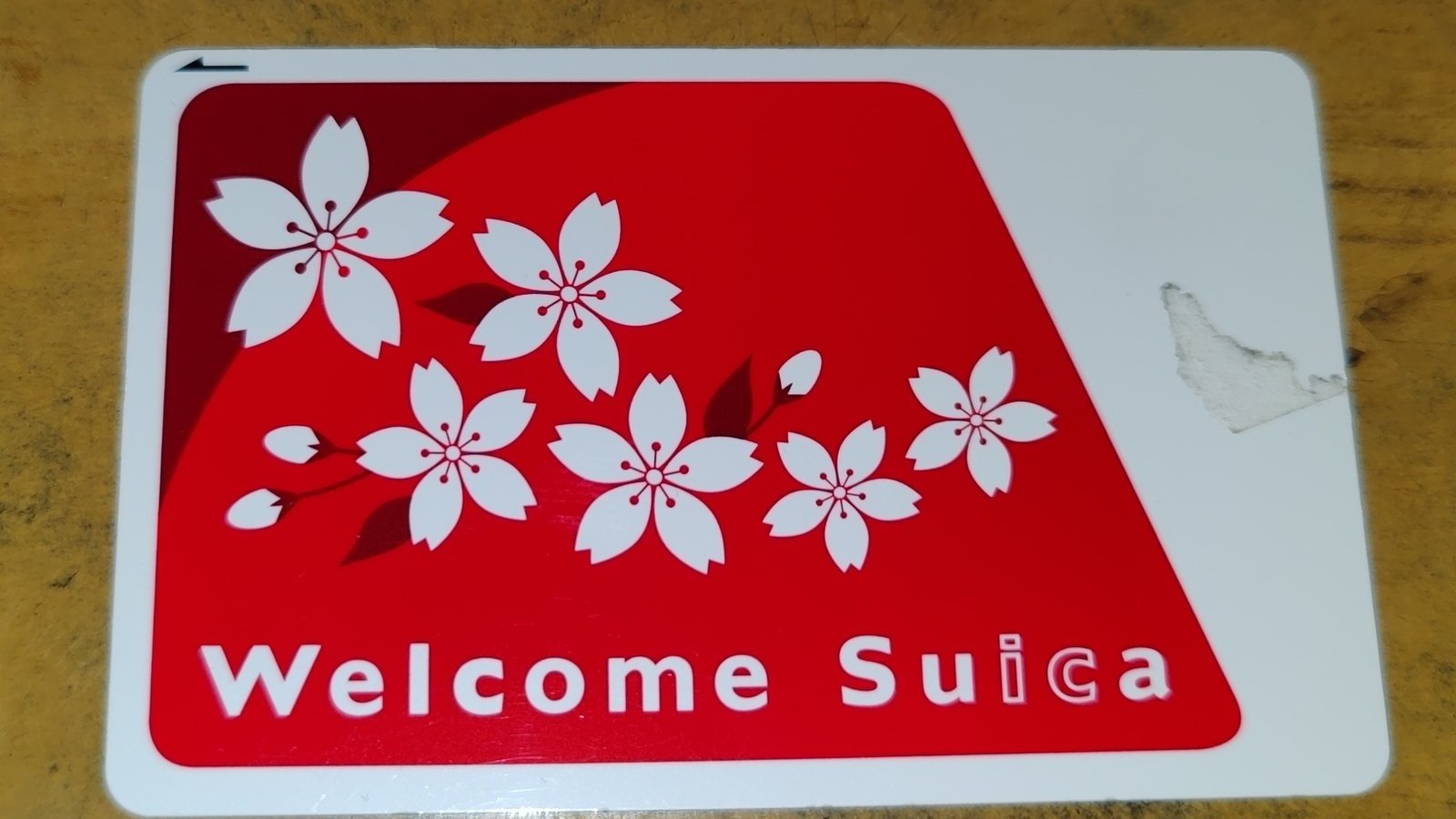
How to Choose Tokyo Transit Passes: Are Suica, Welcome Suica, the Tokyo Subway Ticket, and the JR Pass Worth It?
On a first Tokyo trip, start with an IC card and pay per ride (Welcome Suica has no deposit and is valid for 28 days). If you take four or more subway rides in a day, add a 72-hour Tokyo Subway Ticket for 2,000 yen; a JR Pass is never worthwhile if you stay in Tokyo and do not go to Kansai. See what TOURIST PASMO, Suica on iPhone, and the Tokyo Metro day pass do and do not cover, with a decision chart. Prices verified in September 2026.
- Transport
- Budget
GuideTokyo
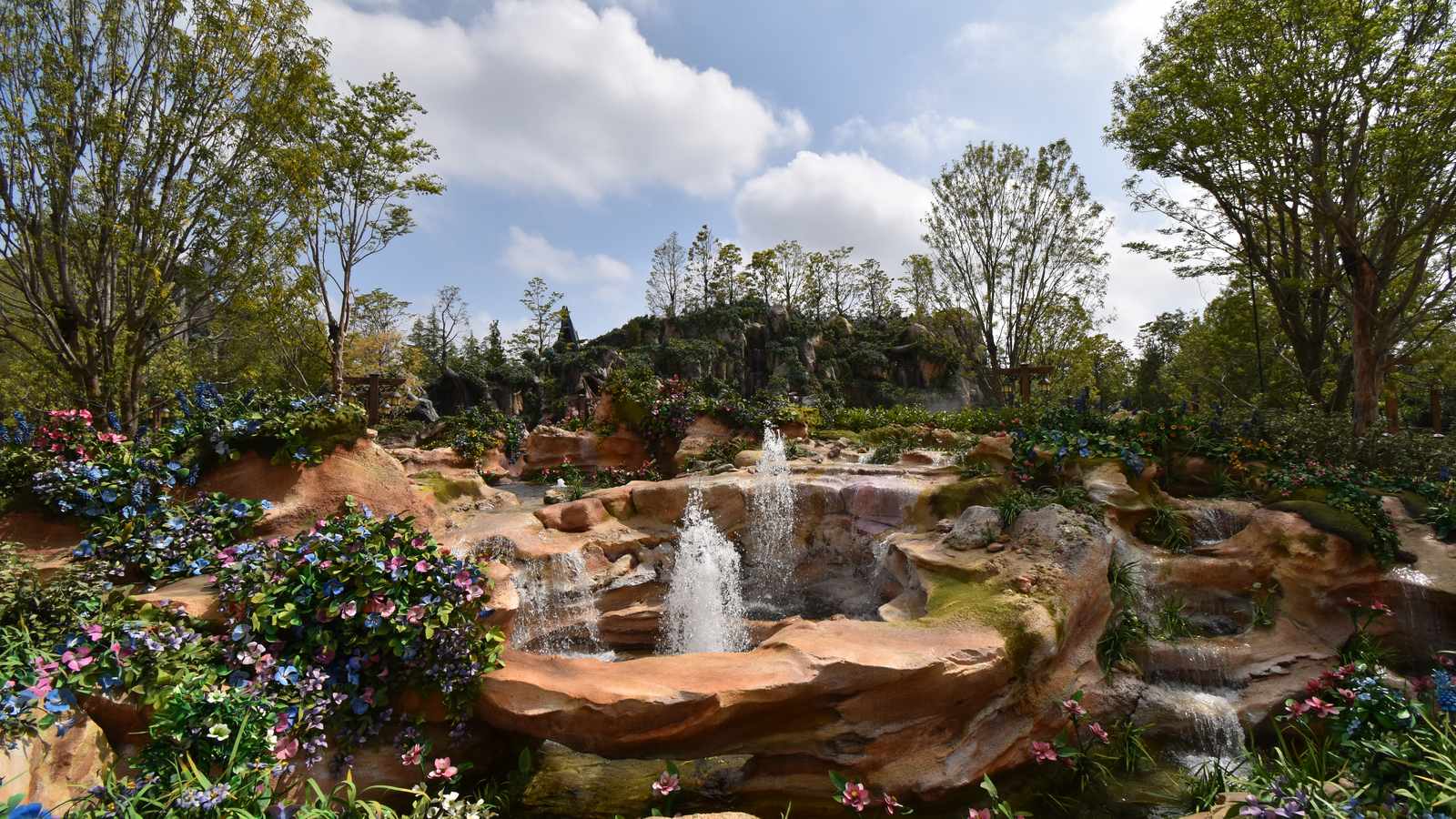
Tokyo Disneyland and DisneySea Guide: Ticket Prices, Fantasy Springs, Disney Premier Access (DPA), Standby Pass, and Which Park to Choose for Your First Visit
Tokyo Disney one-day Passport prices vary: most weekdays in 9/2026 cost ¥9,900 and weekends ¥10,900. At 14:00 daily, tickets go on sale for the same date two months later. Free Priority Pass is no longer on the official service list; only paid Disney Premier Access (¥1,000–3,500 per person per use) shortens waits. Covers hours, the 25th anniversary, Standby Pass, Entry Request, Fantasy Springs access and first-visit park choice; checked on the official site in 9/2026.
- Itineraries
- Family