Lifestyle
Meta Launches Muse for Small Business: AI Agent Connects to Shopify, Slack, QuickBooks and Other Business Tools
On September 29, 2026, Meta extended its personal AI agent Muse to small businesses. Owners can now link it to tools like Shopify, Slack, QuickBooks and their Facebook and Instagram business accounts so it can help run the business. Meta says nothing is posted, sent or spent without the owner's approval.
About 5 min read

What happened
Meta announced Muse for Small Business in its official newsroom. According to Meta, Muse is a personal AI agent, meaning an AI assistant that carries out tasks on your behalf rather than only answering questions. It launched earlier this month and is available in the US and Canada. This update adds a set of new skills and connectors (links that let Muse work with other apps a business already uses), so users can give Muse a goal, such as running their business or finding new customers, and have it help carry that out.
Meta said small businesses have been growing on its apps for nearly two decades, and that business owners say what they lack is time, not ideas. Meta cited the owner of a grocery store in Iowa who works about 65 hours a week and hopes to hand some of that work to Muse.
Read the full description
Sources are collected, independently checked, then reviewed by Jev.
Which tools Muse connects to and what it can do
According to Meta, supported tools include Asana, Box, Canva, Dropbox, Figma, Granola, HighLevel, Intuit QuickBooks, Klaviyo, Lovable, Notion, Shopify, Slack, Stripe and Zoom, as well as Facebook and Instagram business accounts. Meta says that once Muse is connected to Instagram professional account analytics, a Facebook Page and a Meta ads account, it can understand what a business sells, its brand voice and what customers frequently ask.
Meta also says Muse supports custom connectors for services it does not support yet, and the full list of available connectors can be viewed in the Muse app settings. Example uses Meta shared include:
- Analyzing a full year of sales, ad campaigns and social performance to build next year's growth plan.
- Pulling together items that need attention from email, calendars and more.
- Analyzing ad and content performance and drafting a campaign for next week.
- Reviewing the month's financial performance and flagging spending that looks unusual.
Meta also says Muse will proactively make suggestions, such as flagging emails that need a reply and writing first drafts.
| Item | Muse (launched earlier this month) | Muse for Small Business (September 29) |
|---|---|---|
| Positioning (per Meta) | Personal AI agent that completes tasks on users' behalf | Adds new skills and connectors to help run a business |
| Availability (per Meta) | US and Canada | Not separately specified in the official post |
| Business tool connections | Not detailed in the post | Shopify, Slack, Stripe, QuickBooks, Canva and more, plus FB/IG business accounts |
| Pricing | Meta says most features are free, with a subscription plan available | TechCrunch reports it is free with usage limits; a subscription can be purchased |
| User control (per Meta) | — | Will not post, send or spend without approval |
Why it matters
TechCrunch reports that Meta is betting an AI agent with context on a company's entire operations will be more useful than a standalone chatbot, as it continues to compete with rivals such as OpenAI and Google. TechCrunch also reports that the day before this launch, Meta unveiled the Meta Enterprise Platform, aimed at bringing products such as Muse, Meta Business Agent, the Muse API and Muse Code to businesses and developers.
TechCrunch further reports that after its launch, Muse topped the app charts in the US and Canada, ahead of ChatGPT. Meta says more connectors and skills will roll out in the coming months.
Practical impact for shop owners and users
For small shops, the appeal of this kind of AI agent is bringing together sales, accounting, customer and social data scattered across different tools so the AI can help organize it and draft content. However, the more tools you connect, the broader the data the AI can access, including books and customer records. Before deciding whether to use it, a safer approach is to understand what data each connector will be authorized to access, keep the habit of approving actions one by one, and review connected services regularly.
Frequently asked questions
What is Muse for Small Business?
According to Meta, it is a set of new skills and connectors added to its personal AI agent Muse, letting users set goals such as running their business or finding customers and have Muse help accomplish them.
Which tools can it connect to?
Meta lists Asana, Box, Canva, Dropbox, Figma, Granola, HighLevel, Intuit QuickBooks, Klaviyo, Lovable, Notion, Shopify, Slack, Stripe and Zoom, as well as Facebook and Instagram business accounts, and it supports custom connectors.
Will Muse post or spend money on its own?
Meta says Muse will not post, send or spend anything without the user's approval. This is Meta's claim and has not been independently verified.
Does it cost money?
Meta says most of the Muse features people need are free, with a subscription plan available; TechCrunch reports that Muse for Small Business is free with usage limits, and a subscription can be purchased for more usage.
Where is it available?
Meta says Muse is available in the US and Canada; the official post does not say whether Muse for Small Business will expand to other regions.
Browse the latest news in this topic
Lifestyle
NVIDIA launches DGX Spark 64GB: on sale October 23 from $4,999, two units can be linked into 128GB
On October 2, 2026, NVIDIA announced a more affordable 64GB memory version of its DGX Spark personal AI computer, available from October 23 through six makers including Acer and ASUS. It is aimed mainly at developers and researchers who want to run AI models on their own machines. Below we summarize the specs NVIDIA published, its claims about linking two units, and what it means for general readers.
Lifestyle
Google Cloud Launches Spanner Queues: Putting Message Queues Inside Database Transactions to Make AI Agents More Reliable
Google Cloud has announced the general availability of Spanner queues, which make message creation part of a database transaction. The aim is to stop AI agents' "state" and "actions" from falling out of sync. This article covers Google Cloud's claims, the main features, and what it means for general readers.
Lifestyle
GPT-6.1 Sol Launches: New Sol Version in the API, Codex and ChatGPT Work, Not in Chat
OpenAI launched GPT-6.1 Sol on September 29, 2026, with the API name gpt-6.1-sol. The launch rollout covers Codex and ChatGPT Work on Plus, Pro, Business, Enterprise and Edu (Enterprise and Edu need an administrator to enable it); Free and Go are not included at launch, and it is not in Chat (checked September 2026).
Lifestyle
Claude Sonnet 5.5 Launches: Same List Price as Sonnet 5, Available in the API, on Cloud Platforms and in Claude.ai
Anthropic launched Claude Sonnet 5.5 on September 28, 2026. API list prices are the same as Sonnet 5 ($2 per million input tokens, $10 per million output tokens). It is available in Claude.ai, the API and several cloud platforms, and higher-risk cybersecurity requests fall back to Sonnet 5 (checked September 2026).
Latest travel guides

GuideTokyo
Where to Stay in Tokyo: Comparing Shinjuku, Ueno, Tokyo Station, Shibuya, Asakusa, Ikebukuro, and Ginza, Plus Airport Access, Accommodation Tax, and Luggage Delivery
Where should you stay in Tokyo? Compare Shinjuku, Ueno, Tokyo Station, Shibuya, Asakusa, Ikebukuro, and Ginza by the same criteria: access from Narita and Haneda, transit routes, nearby attractions, neighborhood character, and who each area suits. Includes a comparison table, a Yamanote Line diagram, Tokyo’s accommodation tax as verified in 2026/9 (changing to 3% in 2027/4), and Airport TA-Q-BIN luggage shipping rules.
- Budget
- Hotels
GuideTokyo
How to Choose Tokyo Transit Passes: Are Suica, Welcome Suica, the Tokyo Subway Ticket, and the JR Pass Worth It?
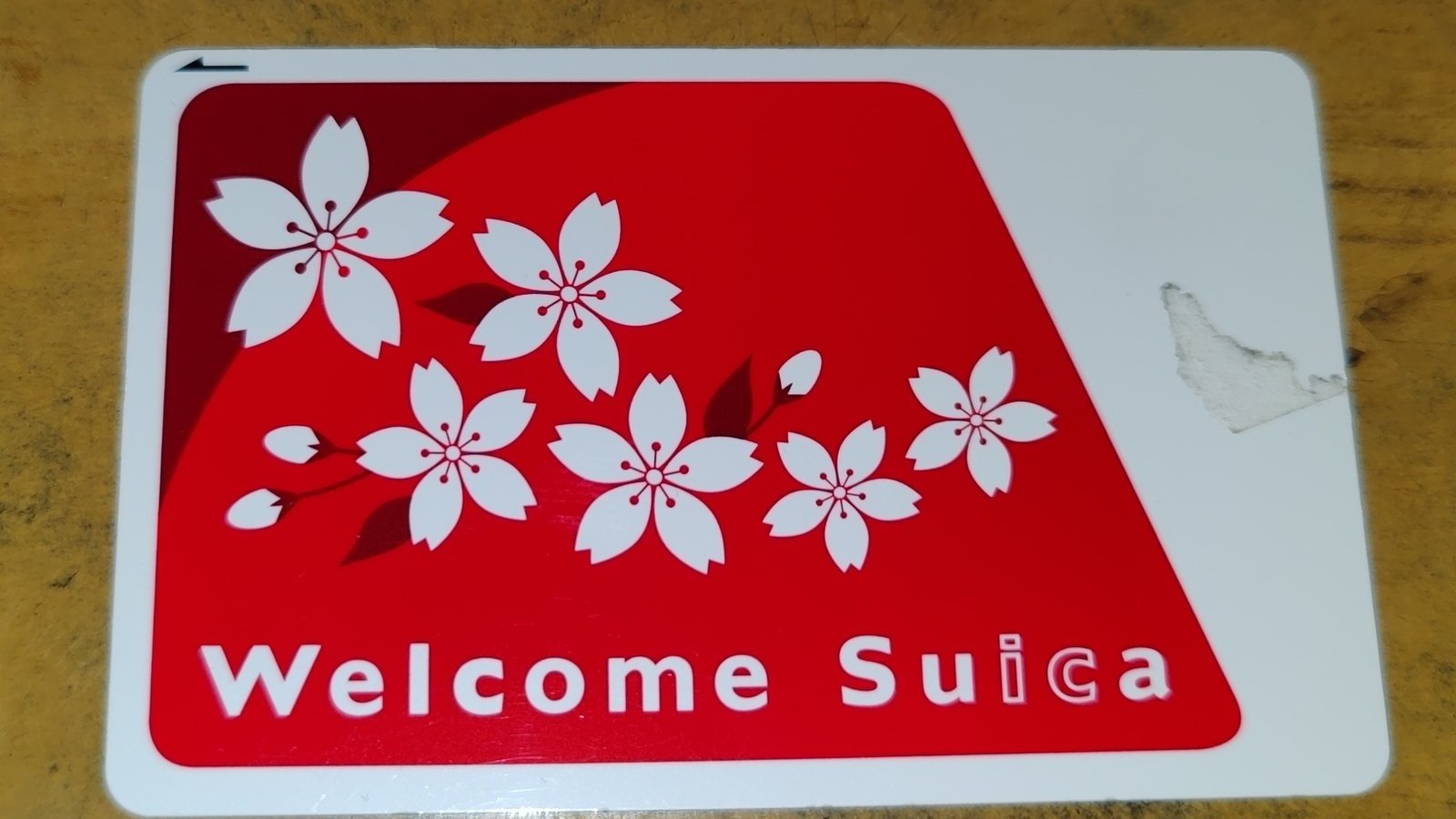
On a first Tokyo trip, start with an IC card and pay per ride (Welcome Suica has no deposit and is valid for 28 days). If you take four or more subway rides in a day, add a 72-hour Tokyo Subway Ticket for 2,000 yen; a JR Pass is never worthwhile if you stay in Tokyo and do not go to Kansai. See what TOURIST PASMO, Suica on iPhone, and the Tokyo Metro day pass do and do not cover, with a decision chart. Prices verified in September 2026.
- Transport
- Budget

GuideTokyo
Tokyo Disneyland and DisneySea Guide: Ticket Prices, Fantasy Springs, Disney Premier Access (DPA), Standby Pass, and Which Park to Choose for Your First Visit
Tokyo Disney one-day Passport prices vary: most weekdays in 9/2026 cost ¥9,900 and weekends ¥10,900. At 14:00 daily, tickets go on sale for the same date two months later. Free Priority Pass is no longer on the official service list; only paid Disney Premier Access (¥1,000–3,500 per person per use) shortens waits. Covers hours, the 25th anniversary, Standby Pass, Entry Request, Fantasy Springs access and first-visit park choice; checked on the official site in 9/2026.
- Itineraries
- Family