Lifestyle
SEC Charges Two Groups of Entities Allegedly Behind Crypto Frauds Using WhatsApp and "AI Trading" Claims
On September 29, 2026, the US SEC charged two groups of entities, Cryptoaiml and TSAI, alleging they defrauded hundreds of individual investors, many in the US. The SEC says they falsely claimed to be SEC-regulated and used AI trading signals and bots as bait in schemes totaling at least $15 million. Here is what the SEC alleges and the warning signs readers can watch for.
About 7 min read

What the SEC announced
In a press release issued on September 29, 2026 (No. 2026-95), the SEC said it had charged multiple entities "likely operated by individuals located overseas." The SEC alleges these entities ran so-called investment confidence scams: they built relationships with victims online and then stole their money. The SEC said the victims were hundreds of retail investors, meaning ordinary individuals investing their own money, many of them in the United States.
Read the full description
Sources are collected, independently checked, then reviewed by Jev.
The SEC filed two separate complaints in the US District Court for the Southern District of New York. One is against Cryptoaiml Ltd. and Cryptoaiml Capital Foundation. The other is against TSAI Pro Ltd. and TSAI Capital Foundation. The SEC alleges the two groups misappropriated more than $12.5 million and more than $2.8 million from investors respectively. The press release headline puts the combined total at at least $15 million.
In the press release, SEC Enforcement Director David Woodcock said that although these schemes differ, their goal is the same: promise potential investors outsized returns, claim to be legitimate entities regulated by the SEC, and then steal their money. He also encouraged the public to report similar schemes through the SEC's online tips portal.
Comparing the key allegations in the two cases
| Item | Cryptoaiml case | TSAI case |
|---|---|---|
| Entities charged | Cryptoaiml Ltd., Cryptoaiml Capital Foundation | TSAI Pro Ltd., TSAI Capital Foundation |
| Period alleged by the SEC | At least August 2024 to March 2025 | September 2024 to March 2025 |
| Amount allegedly misappropriated | More than $12.5 million | More than $2.8 million |
| Main outreach channels | WhatsApp groups | Website, WhatsApp groups, public Facebook |
| "AI" packaging | Trading "signals" purportedly generated by AI | Rental of AI trading bots |
| Regulatory impersonation | Falsely claimed certification by regulators including the SEC; posted a screenshot of a falsified Form D | Falsely claimed to be fully regulated by the SEC; posted a phony SEC certificate referencing a falsified Form D |
| What the SEC alleges actually happened | No real trading platform; profits were fictitious | No AI trading bots; funds were never used to generate returns |
The fraud methods described by the SEC
Cryptoaiml: WhatsApp groups and "AI signals"
According to the SEC's complaint, the Cryptoaiml entities set up WhatsApp groups, posed as investment professionals to gain trust, and sent out trading "signals" (tips) purportedly generated by AI. The SEC alleges the defendants steered investors to open accounts on their fake trading platform and manipulated them into transferring crypto assets to it. In some cases, investors signed investment management agreements that were presented as legitimate. The SEC also says the entities posted on their website a screenshot of a falsified Form D, a filing that appeared to have been submitted to the SEC by Cryptoaiml Ltd.
The SEC alleges no trading took place on the platform and the profits shown in accounts were fictitious. When investors tried to withdraw, they were told their accounts were frozen until they paid fraudulent advance fees.
TSAI: renting "AI trading bots" and recruiting others
According to the SEC's complaint, the TSAI entities used a website, WhatsApp chats and public Facebook to claim that investors could earn guaranteed profits by depositing funds on their online platform to rent AI-programmed bots that would trade on their behalf. Investors were also told they could earn money by recruiting others into the program. The SEC alleges the entire program was a fraud: there were no AI trading bots, and deposited funds were never used to earn returns for investors.
What it means for ordinary readers
As described by the SEC, this case shows fraudsters combining two reassuring labels, "AI" and "regulated," and using messaging-app groups to build a sense of community trust. Readers can draw the following warning signs from the SEC's allegations:
- Someone in an unfamiliar group claims to be an investment professional and keeps sharing so-called AI trading signals.
- The other party promises "guaranteed profits" or encourages you to recruit friends and family to earn income.
- A website displays screenshots of regulatory certificates or registration documents as proof of credibility; the SEC says the defendants here posted falsified Form D filings and a phony SEC certificate.
- When you try to withdraw, you are told your account is frozen until you pay additional fees.
The SEC said its Office of Investor Education and Assistance has issued alerts warning that fraudsters may use popular group chats or claim to be officially registered with the SEC to lure investors. The SEC also encourages investors to use Investor.gov to check the background of anyone offering or selling them an investment. The SEC further said that the Forms D filed by Cryptoaiml Ltd. and TSAI Pro Ltd. have been removed from its website.
Frequently asked questions
Has a court found these companies liable?
No. Everything in the SEC press release consists of allegations in the complaints. The cases have been filed in the US District Court for the Southern District of New York, and the outcome is up to the court.
If a website shows screenshots of SEC documents, does that mean the company is regulated by the SEC?
Not necessarily. The SEC says both groups of entities in this case posted falsified Form D filings or a phony SEC certificate to create the illusion of being regulated. The SEC encourages investors to use Investor.gov to check the background of anyone offering or selling them an investment.
What is the "AI trading bot" in this case?
According to the SEC's allegations, TSAI claimed investors could deposit funds to rent AI trading bots that would trade for them. In reality no AI trading bots existed, and the deposited funds were never used to generate returns for investors.
What can I do if I suspect I've encountered a similar scam?
SEC Enforcement Director David Woodcock encouraged the public to report similar schemes through the SEC's online tips portal. Readers in other regions can also seek help from local law enforcement or regulators.
Does this article recommend investing in or avoiding any crypto asset?
No. This article only summarizes enforcement information published by the SEC; it does not discuss any asset prices or trading and does not constitute investment advice.
Browse the latest news in this topic
Lifestyle
Brazil's Petrobras tests Cardano blockchain to track claims about cleaner jet fuel and diesel
According to CoinDesk, Brazil's state-owned energy company Petrobras is testing the Cardano blockchain in two research projects: one to stop the same emissions cut from sustainable aviation fuel being counted twice, the other to record the history of its partly renewable Diesel R. Both are still research work, with no timeline for wider use.
Lifestyle
Cboe and S&P Dow Jones Indices extend their S&P 500 options deal to 2051 and leave the door open to tokenized options
According to CoinDesk, exchange operator Cboe and index provider S&P Dow Jones Indices have extended Cboe's exclusive right to offer S&P 500 options by 25 years, to 2051. The deal says they may explore blockchain-based 'tokenized' options, but no product, timeline or details were announced. Here is what that means and what it does not.
Lifestyle
Ethereum's Glamsterdam upgrade will go live on the Sepolia test network on October 6; no mainnet date yet
The Ethereum Foundation says its Glamsterdam upgrade, which changes how blocks are built and how fees are counted, is scheduled for the Sepolia test network on October 6, 2026. Test-network node operators and app developers need to prepare. No mainnet date is set, and the Foundation says ordinary users and ETH holders need not act.
Lifestyle
Researchers Forge RSA Signatures From a Hardware Vault Without Extracting the Key: What It Means for Crypto Assets
According to Decrypt, a UC San Diego and INRIA team forged signatures for a 1,024-bit RSA key inside a hardware security module without extracting the key. This article covers the key points, what is affected, and why Bitcoin and Ethereum signatures fall outside the paper's scope.
Latest travel guides

GuideTokyo
Where to Stay in Tokyo: Comparing Shinjuku, Ueno, Tokyo Station, Shibuya, Asakusa, Ikebukuro, and Ginza, Plus Airport Access, Accommodation Tax, and Luggage Delivery
Where should you stay in Tokyo? Compare Shinjuku, Ueno, Tokyo Station, Shibuya, Asakusa, Ikebukuro, and Ginza by the same criteria: access from Narita and Haneda, transit routes, nearby attractions, neighborhood character, and who each area suits. Includes a comparison table, a Yamanote Line diagram, Tokyo’s accommodation tax as verified in 2026/9 (changing to 3% in 2027/4), and Airport TA-Q-BIN luggage shipping rules.
- Budget
- Hotels
GuideTokyo
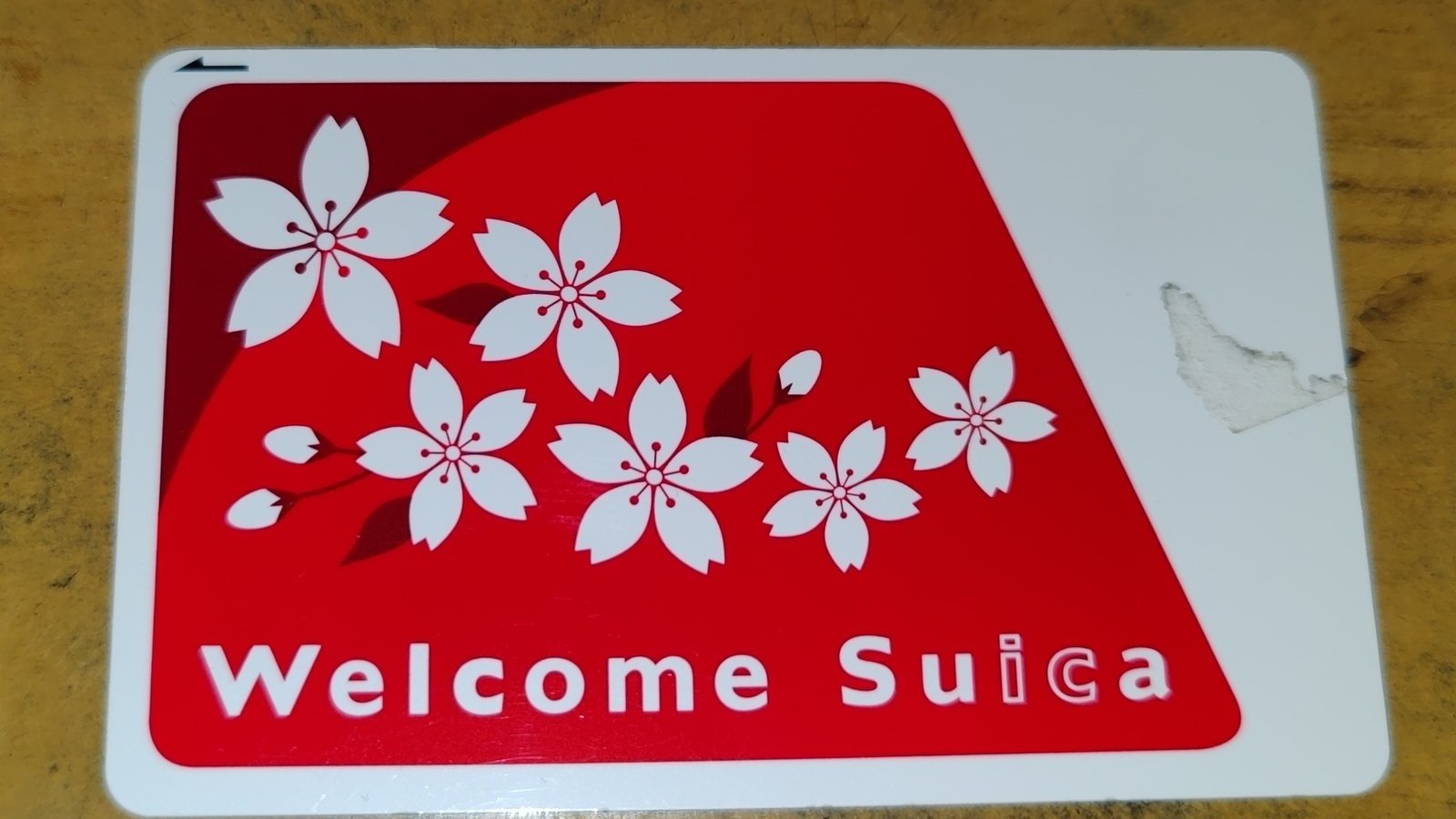
How to Choose Tokyo Transit Passes: Are Suica, Welcome Suica, the Tokyo Subway Ticket, and the JR Pass Worth It?
On a first Tokyo trip, start with an IC card and pay per ride (Welcome Suica has no deposit and is valid for 28 days). If you take four or more subway rides in a day, add a 72-hour Tokyo Subway Ticket for 2,000 yen; a JR Pass is never worthwhile if you stay in Tokyo and do not go to Kansai. See what TOURIST PASMO, Suica on iPhone, and the Tokyo Metro day pass do and do not cover, with a decision chart. Prices verified in September 2026.
- Transport
- Budget
GuideTokyo
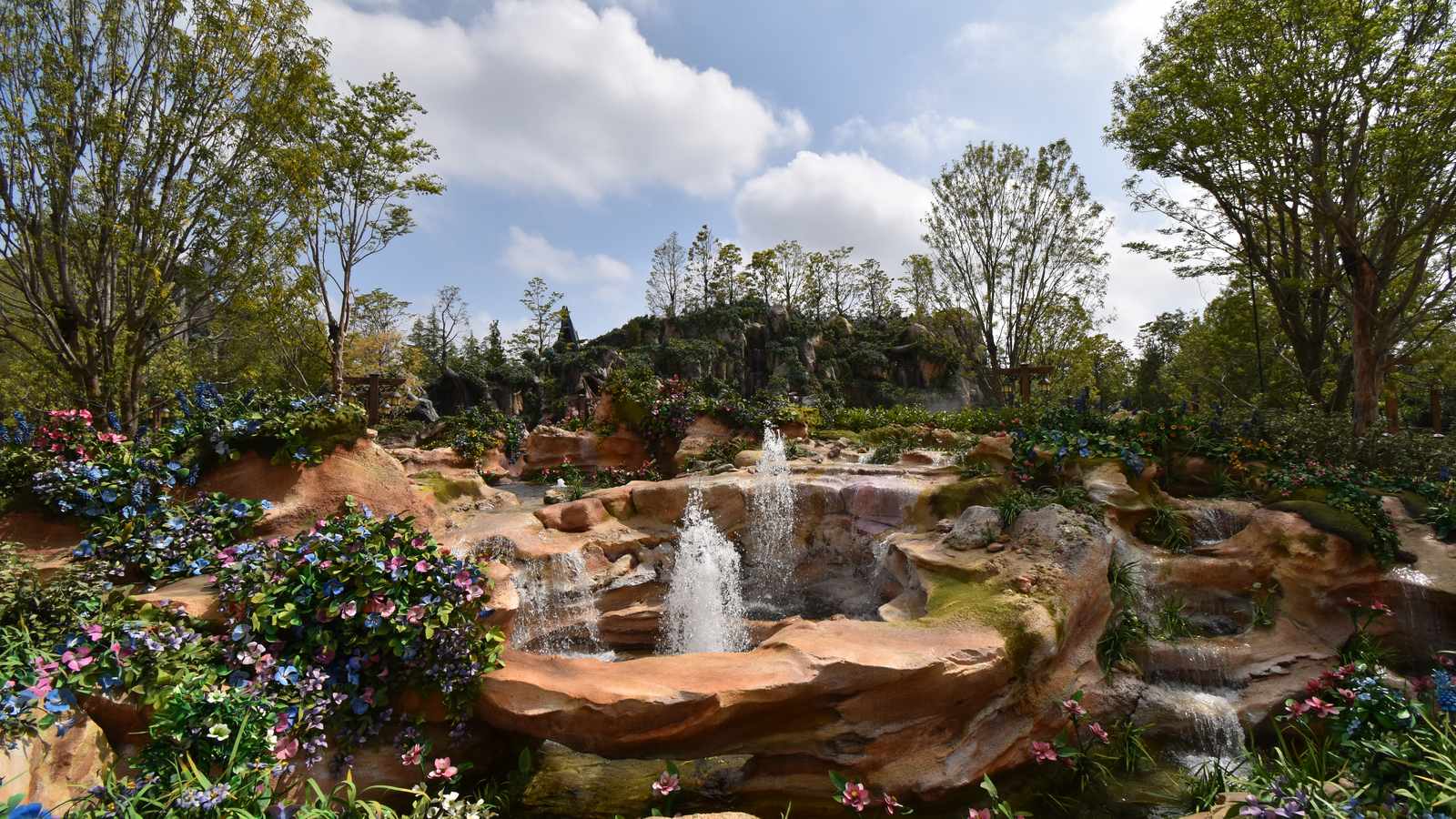
Tokyo Disneyland and DisneySea Guide: Ticket Prices, Fantasy Springs, Disney Premier Access (DPA), Standby Pass, and Which Park to Choose for Your First Visit
Tokyo Disney one-day Passport prices vary: most weekdays in 9/2026 cost ¥9,900 and weekends ¥10,900. At 14:00 daily, tickets go on sale for the same date two months later. Free Priority Pass is no longer on the official service list; only paid Disney Premier Access (¥1,000–3,500 per person per use) shortens waits. Covers hours, the 25th anniversary, Standby Pass, Entry Request, Fantasy Springs access and first-visit park choice; checked on the official site in 9/2026.
- Itineraries
- Family