Lifestyle
OpenAI Announces It Will Acquire Astral: What’s Next for Open Source Tools uv, Ruff, and ty
On March 19, 2026, OpenAI and developer-tools company Astral each published their own announcement on the same day: OpenAI said it will acquire Astral, and Astral said it will join OpenAI’s Codex team. Drawing on both official announcements, Astral’s official homepage, and uv’s page on PyPI, this article lays out the state of the open source tools uv, Ruff, and ty as of the day we checked, and how the official announcements describe the conditions for closing this deal.
About 12 min read
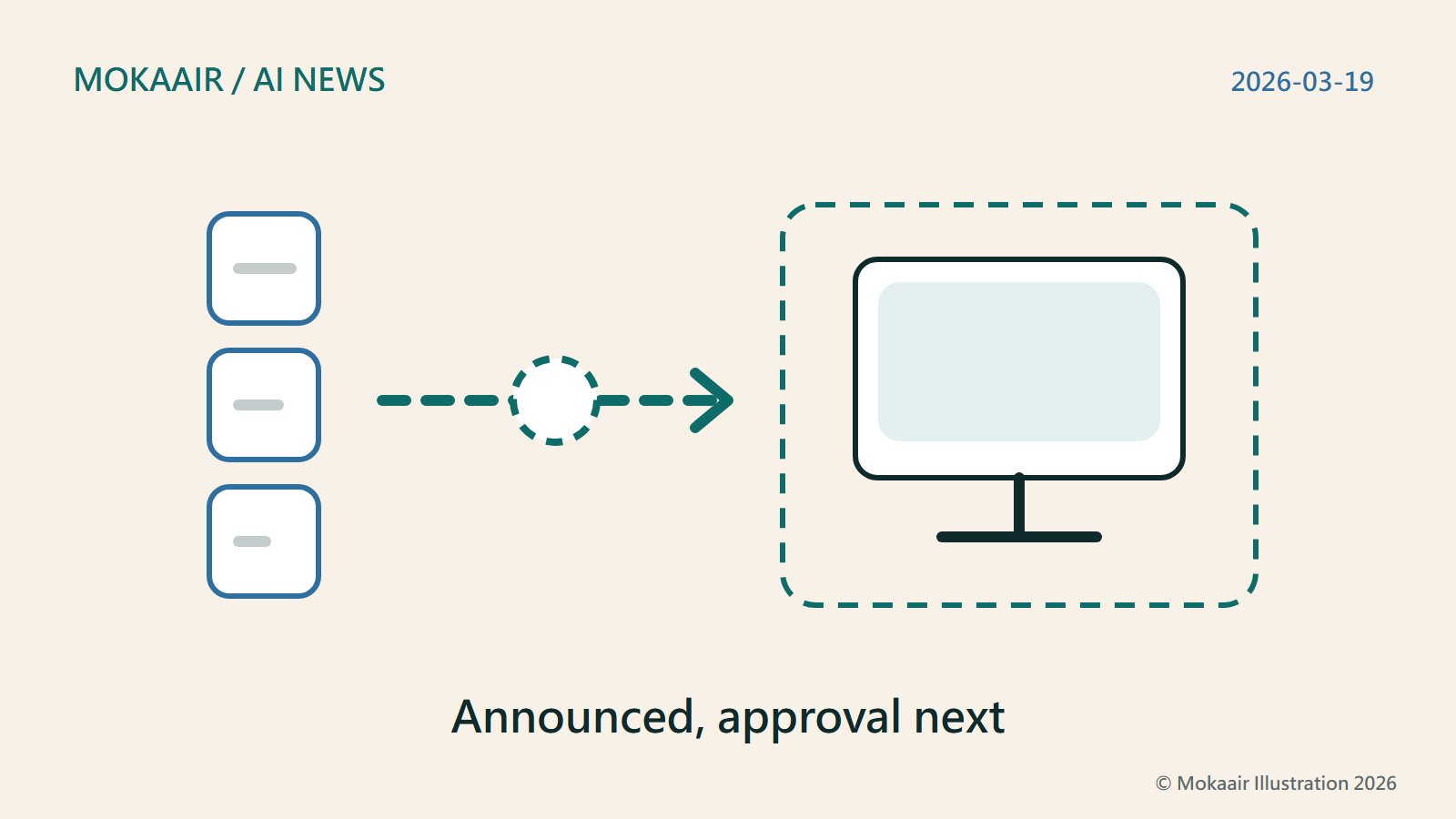
On March 19, 2026, OpenAI and developer-tools company Astral each published their own announcement on the same day: OpenAI said it will acquire Astral, while Astral said it had reached an agreement with OpenAI and would join OpenAI as part of the Codex team. Astral is the company behind three open source Python tools, uv, Ruff, and ty; neither announcement mentioned the deal’s price.
This article was checked on September 18, 2026, based on the full text of the announcements OpenAI and Astral each published on March 19, Astral’s official homepage, and uv’s package page on PyPI. This site has not tested or evaluated these three tools for this article, and this is not investment or purchasing advice; below we separately note which statements come from the time of the announcement and which describe the state we read on the day we checked, since the deal’s conditions and timeline may still change.
What Happened: What Each Company’s Official Announcement Says
OpenAI’s own announcement page says it will acquire Astral, bringing the company’s open source developer tools into the Codex ecosystem; the headline reads flatly, “OpenAI to acquire Astral,” using the word acquire. Astral founder Charlie Marsh used a different verb on his own company blog: the announcement is headlined “Astral to join OpenAI,” and the text says Astral “entered into an agreement to join OpenAI as part of the Codex team,” using the word join. Both announcements describe the same deal, but each chose a different verb.
OpenAI’s announcement explains its reasoning for the acquisition: OpenAI says Astral has built “some of the most widely used open source Python tools,” and that these tools “power millions of developer workflows” — both are OpenAI’s own claims, which this site cannot verify. In his own announcement, Marsh says that over the past few years Astral’s tools have “grown from zero to hundreds of millions of downloads per month” combined across Ruff, uv, and ty; this is Astral’s own claim, and this site has not verified the figure.
On what drove the deal, Marsh writes that AI is rapidly changing how software is developed, that he sees Codex as the frontier where AI and software meet, and that this is why he decided to bring Astral’s tools and expertise into OpenAI. OpenAI’s announcement, meanwhile, says its goal is to move Codex beyond simply generating code and toward a system that can participate in the entire development workflow — helping plan changes, modify codebases, run tools, verify results, and maintain software over time — and that Astral’s tools already sit inside that workflow. Neither side mentions the deal’s price or Astral’s valuation.
What uv, Ruff, and ty Are, and Who Uses Them
OpenAI’s announcement describes each of the three tools in one line: uv “simplifies dependency and environment management,” Ruff “provides extremely fast linting and formatting,” and ty “helps enforce type safety across codebases.” OpenAI goes on to say that together, these tools help developers manage projects, enforce quality, and catch errors early in the development process.
uv’s own PyPI package page describes it as “an extremely fast Python package and project manager, written in Rust”; Astral’s official homepage positions Ruff as “an extremely fast Python linter,” and the entry for ty in the homepage’s announcements section describes it as “an extremely fast Python type checker and language server.” All three share the same traits: written in Rust, and built for speed.
Neither OpenAI’s nor Astral’s announcement spells out exactly who uses these three tools directly, but their feature descriptions point to an audience: uv is for people installing packages, managing virtual environments, or pinning dependency versions; Ruff is for people who want to check style and formatting before code is submitted; ty is for people who want to catch type errors before running their code. As one example, this site’s own backend service uses uv to pin its dependencies and specifies a version range for ruff in its configuration, making it the kind of project that uses Astral’s tools directly.
| Tool | OpenAI’s One-Line Description | State Seen on the Day We Checked |
|---|---|---|
| uv | Simplifies dependency and environment management | Latest version 0.12.15 on PyPI, released September 15, 2026, licensed MIT or Apache-2.0 |
| Ruff | Provides extremely fast linting and formatting | Name and link still listed on Astral’s official homepage |
| ty | Helps enforce type safety across codebases | Name and link still listed on Astral’s official homepage |
What the Two Announcements Promise, and What They Leave Unsaid
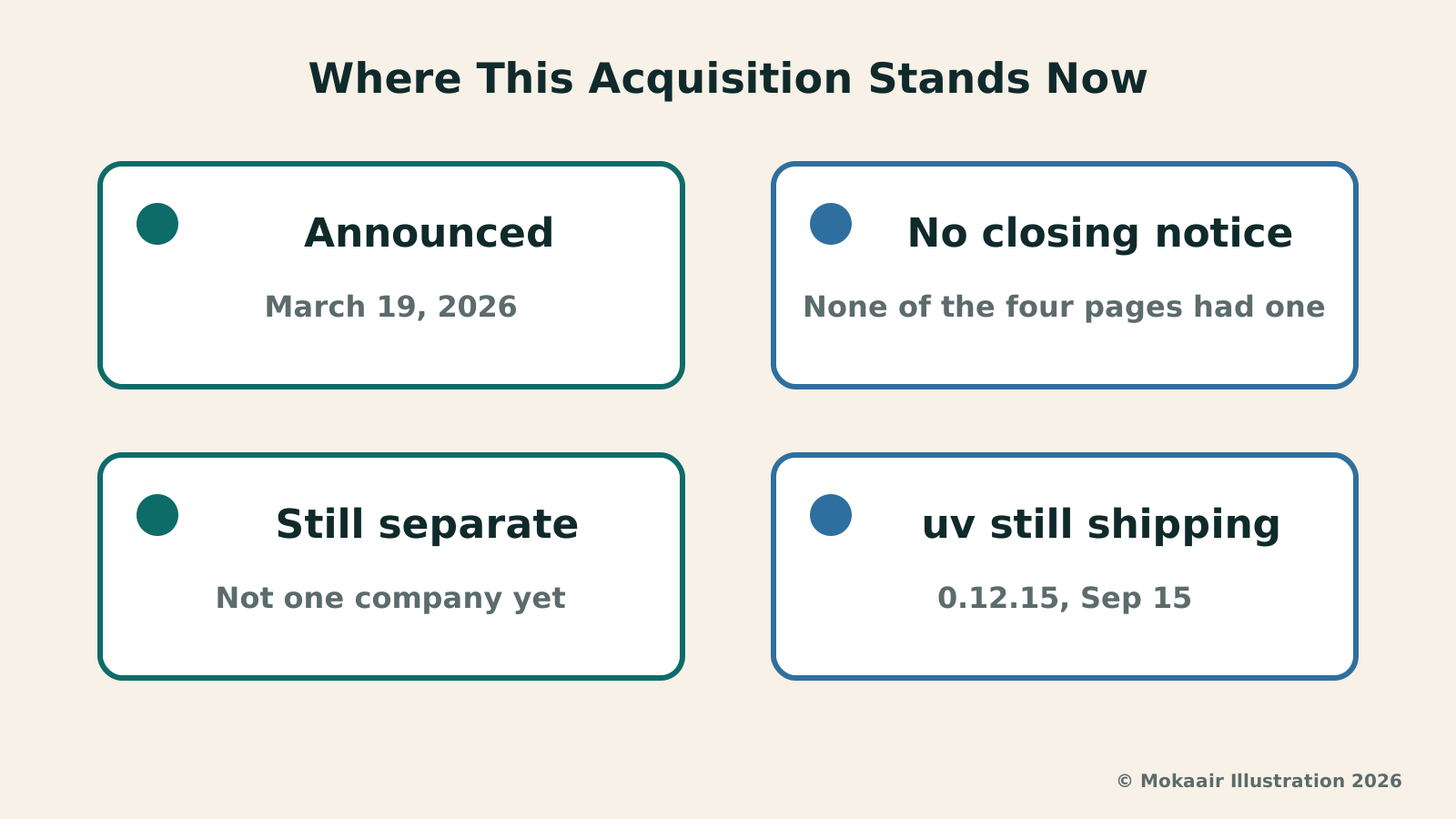
OpenAI states the deal’s current status plainly: “The closing of the acquisition is subject to customary closing conditions, including receipt of regulatory approval. Until the closing, OpenAI and Astral will remain separate and independent companies.” In other words, whether the deal closes depends on conditions such as regulatory approval; none of the four pages read on the day we checked said the deal had closed.
The two announcements use more than one verb for the same thing. OpenAI says in one place that “after closing OpenAI plans to support Astral’s open source products,” and in another that “we’ll continue to support these open source projects”; Astral’s announcement says “OpenAI will continue supporting our open source tools” after the deal closes. ‘Plans to’ and ‘will continue’ carry a different tone, and this article keeps them separate, following each original wording. Neither side specifies exactly how or for how long support will continue, and neither promises that licensing or pricing will stay unchanged.
On where the team ends up, OpenAI says “after closing, the Astral team will join the Codex team at OpenAI,” without giving a headcount or saying whether every Astral employee will join. As for how Codex will make use of the three tools going forward, both announcements use the word “explore” when discussing closer integration; OpenAI separately writes that integrating these systems with Codex after closing will let AI agents work more directly with the tools developers already rely on every day. Neither side lists specific features, versions, or a timeline.
About Six Months Later: The State We Saw on the Day We Checked
Rereading Astral’s official homepage on the day we checked, a banner announcement still sits at the top of the page, reading “Astral to join OpenAI as part of the Codex team,” which links through to the March 19 announcement; the rest of the homepage is mostly about Ruff, and the footer still lists links for all three tools, Ruff, uv, and ty, and the domain is still astral.sh, not a page under an OpenAI domain. Nearly six months later, this page still describes the deal as something that “will” happen, not something that has already closed.
Of the three tools’ PyPI pages, this article checked only uv’s. On the day we checked, uv’s PyPI page showed its latest version as 0.12.15, released September 15, 2026, with the author field listed as Astral Software Inc. and the license field as a choice between MIT or Apache-2.0; the word “OpenAI” did not appear anywhere on the page. In other words, based on the PyPI page read on the day we checked, neither uv’s package identity nor its license shows any change connected to OpenAI yet.
This does not mean the deal has fallen through or been delayed — none of the four pages checked for this article contained any message about cancellation or delay, and the official announcements always said the two companies would remain separate and independent until closing. For readers worried that these tools might suddenly stop being maintained or change license, none of the four pages, as checked through September 18, 2026, carried any such message.
If You Rely on These Tools, What You Can Check Right Now
This article is about a corporate acquisition; this site does not recommend that anyone switch tools or stay put, and it has not evaluated these three tools on their own merits. If your project uses uv, Ruff, or ty, the two places below are ones this article itself read on the day we checked, and that readers can check for themselves too.
One is the announcement pages from Astral and OpenAI, to see whether an update such as “deal completed” has been added; the other is uv’s package page on PyPI, to see whether the version number or license field has changed. Neither requires waiting for media coverage — both can be checked directly.
This article is based only on the two official announcements, Astral’s official homepage, and the PyPI page, as read on the day we checked, September 18, 2026; the deal’s conditions, progress toward closing, and how the tools are licensed may all change afterward. None of these four pages carried any wording limiting the deal or the tools by region, country, or market, and this site has not verified how these three tools are actually accessed in different places; the companies’ equity, financial details, or valuation are outside the scope of what this article checked.
Frequently asked questions
Has this acquisition closed?
As of the day we checked, September 18, 2026, none of the official pages we read contained any message that the deal had closed. OpenAI’s own announcement states that the deal is subject to customary closing conditions, including receipt of regulatory approval, and that until then OpenAI and Astral remain separate and independent companies. For this article we checked four places — OpenAI’s announcement, Astral’s announcement and homepage, and uv’s page on PyPI — and did not check any other channel.
Why does OpenAI say “acquire” while Astral says “join”?
It’s the same deal, but the two announcements use different verbs. OpenAI’s own announcement is headlined “OpenAI to acquire Astral,” using the word acquire; Astral founder Charlie Marsh’s announcement is headlined “Astral to join OpenAI,” using the word join, and the text says Astral “entered into an agreement to join OpenAI as part of the Codex team.” These are two official ways of describing the same event, and this article keeps both.
Will the uv, Ruff, or ty I use now suddenly start charging money or stop being open source?
None of the official pages checked for this article carry any such announcement. On the PyPI page read on the day we checked, uv 0.12.15’s license field lists MIT or Apache-2.0, both open source licenses; OpenAI’s announcement says in one place that after closing it ‘plans to support’ Astral’s open source products, and in another that it ‘will continue to support’ these open source projects, while Astral’s announcement says OpenAI will ‘continue supporting’ its open source tools. Neither side mentions charging money or changing the license, and neither promises this will never change in the future.
Does this matter for developers in Taiwan?
None of the four pages checked for this article carried any wording about a region, country, or market limitation, and this site has not verified how these three tools are actually accessed in different places, so this article does not say where they can be used. As one example, this site’s own backend service configuration already uses uv and Ruff. Whether the tools’ versions or licenses will change later is something neither announcement addresses.
How much did Astral get paid for the acquisition?
Neither of the two official announcements checked for this article disclosed a figure. Neither OpenAI’s nor Astral’s announcement mentions the deal’s price, Astral’s valuation, or any financial figures, and none of the official sources within this article’s scope provides this information, so this article does not offer any guess at a figure.
How can I keep track of this acquisition’s progress myself going forward?
You can check Astral’s blog and the same page as OpenAI’s announcement directly, to see whether either has been updated to say the deal has closed; the state of the tools themselves can be checked on their PyPI package pages — this article checked uv’s version history and license field — and both are channels you can verify yourself without waiting for media coverage.
2026 AI News Roundup: Highlights and Daily Life Applications from January to September2026 AI News Roundup: Highlights and Daily Life Applications from January to SeptemberOrganizing key AI news stories month by month from January to September 2026, linking to full analyses in five languages. Covering models, work tools, creation, costs, and transparency, explaining backgrounds, uses, and limits.Read the full article
NVIDIA Announces Acquisition of Hugging Face: What the Announcement Doesn't SayNVIDIA Announces Acquisition of Hugging Face: What the Announcement Doesn't SayOn September 3, 2026, NVIDIA chief executive Jensen Huang announced in a company blog post that NVIDIA has agreed to acquire Hugging Face for $12,930,300,000. This article draws on the full announcement and Hugging Face's security-incident disclosures to lay out NVIDIA's promises, where the platform-scale figures come from, and what remains unstated: completion timeline, regulatory review and personnel included. We have not tested any product ourselves; this is not investment advice.Read the full article
Lifestyle
NVIDIA Announces Acquisition of Hugging Face: What the Announcement Doesn't Say
On September 3, 2026, NVIDIA chief executive Jensen Huang announced in a company blog post that NVIDIA has agreed to acquire Hugging Face for $12,930,300,000. This article draws on the full announcement and Hugging Face's security-incident disclosures to lay out NVIDIA's promises, where the platform-scale figures come from, and what remains unstated: completion timeline, regulatory review and personnel included. We have not tested any product ourselves; this is not investment advice.
Lifestyle
OpenAI Raises $122 Billion: What the Announcement Promises, and What It Doesn't
On March 31, 2026, OpenAI announced that it had closed a funding round of $122 billion in committed capital at a post-money valuation of $852 billion. Drawing on official announcements from OpenAI, SoftBank and Amazon, this article sets out who put up the money, how the committed capital is being paid in over time, and what the announcement does not promise — for example, whether ChatGPT will get faster or cheaper because of it. It offers no investment judgment. Checked on September 18, 2026.
Lifestyle
OpenAI Confidentially Submits a Draft S-1: What the One-Line Announcement Doesn't Say
On June 8, 2026, OpenAI confirmed it had confidentially submitted a draft S-1 to the SEC, with no decision yet on timing. Based on OpenAI's announcement, the Securities Act of 1933's confidential-submission rules, and a May 2026 SEC proposed rule, this article explains what the announcement does and does not represent, and confirms by full-text search that, as of the check date, no public registration statement under OpenAI's filer name could be found.
Lifestyle
NVIDIA launches DGX Spark 64GB: on sale October 23 from $4,999, two units can be linked into 128GB
On October 2, 2026, NVIDIA announced a more affordable 64GB memory version of its DGX Spark personal AI computer, available from October 23 through six makers including Acer and ASUS. It is aimed mainly at developers and researchers who want to run AI models on their own machines. Below we summarize the specs NVIDIA published, its claims about linking two units, and what it means for general readers.
Articles that cite this one
Latest travel guides

GuideTokyo
Where to Stay in Tokyo: Comparing Shinjuku, Ueno, Tokyo Station, Shibuya, Asakusa, Ikebukuro, and Ginza, Plus Airport Access, Accommodation Tax, and Luggage Delivery
Where should you stay in Tokyo? Compare Shinjuku, Ueno, Tokyo Station, Shibuya, Asakusa, Ikebukuro, and Ginza by the same criteria: access from Narita and Haneda, transit routes, nearby attractions, neighborhood character, and who each area suits. Includes a comparison table, a Yamanote Line diagram, Tokyo’s accommodation tax as verified in 2026/9 (changing to 3% in 2027/4), and Airport TA-Q-BIN luggage shipping rules.
- Budget
- Hotels
GuideTokyo
How to Choose Tokyo Transit Passes: Are Suica, Welcome Suica, the Tokyo Subway Ticket, and the JR Pass Worth It?
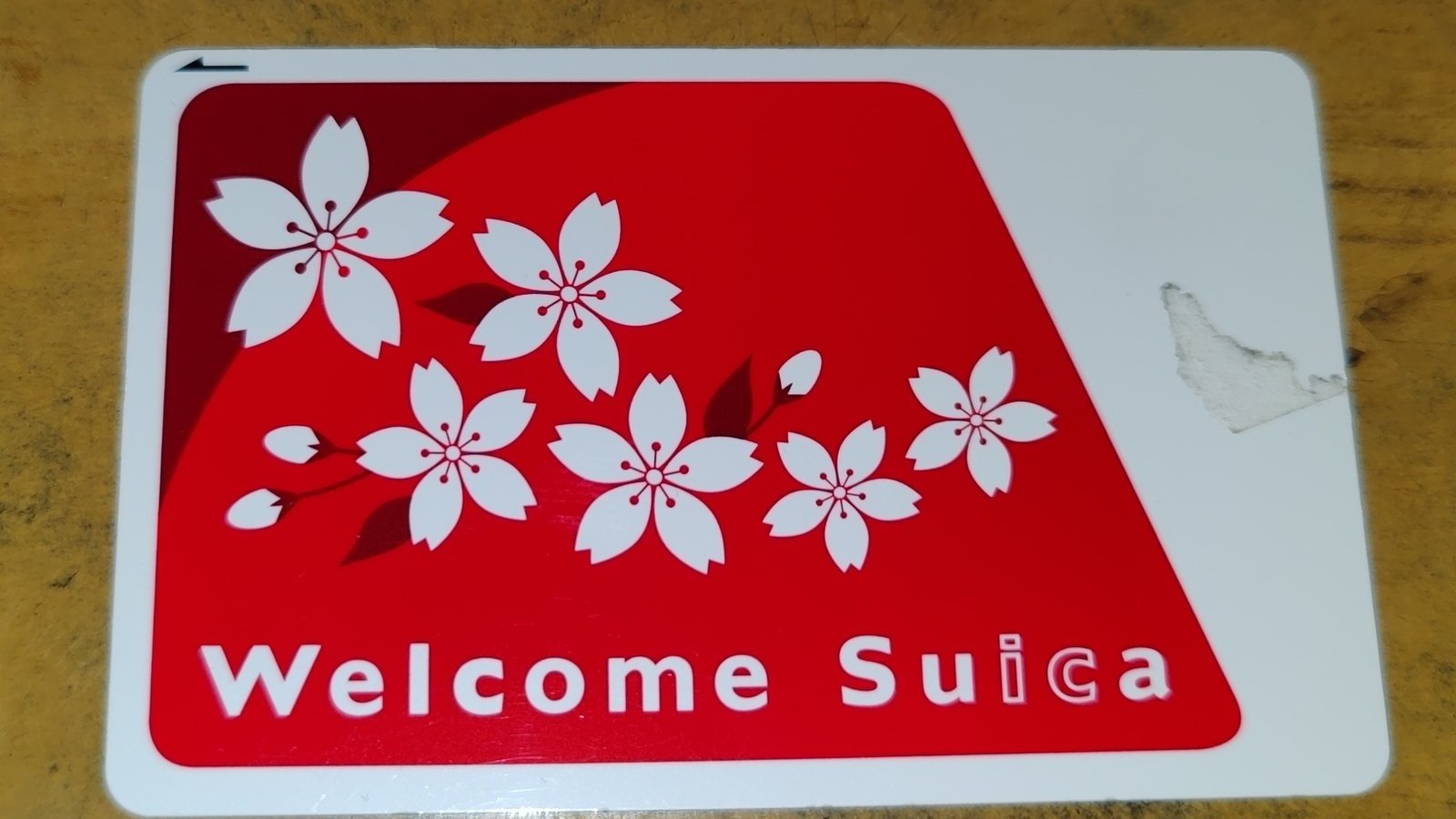
On a first Tokyo trip, start with an IC card and pay per ride (Welcome Suica has no deposit and is valid for 28 days). If you take four or more subway rides in a day, add a 72-hour Tokyo Subway Ticket for 2,000 yen; a JR Pass is never worthwhile if you stay in Tokyo and do not go to Kansai. See what TOURIST PASMO, Suica on iPhone, and the Tokyo Metro day pass do and do not cover, with a decision chart. Prices verified in September 2026.
- Transport
- Budget

GuideTokyo
Tokyo Disneyland and DisneySea Guide: Ticket Prices, Fantasy Springs, Disney Premier Access (DPA), Standby Pass, and Which Park to Choose for Your First Visit
Tokyo Disney one-day Passport prices vary: most weekdays in 9/2026 cost ¥9,900 and weekends ¥10,900. At 14:00 daily, tickets go on sale for the same date two months later. Free Priority Pass is no longer on the official service list; only paid Disney Premier Access (¥1,000–3,500 per person per use) shortens waits. Covers hours, the 25th anniversary, Standby Pass, Entry Request, Fantasy Springs access and first-visit park choice; checked on the official site in 9/2026.
- Itineraries
- Family
Sources
- Astral’s announcement, “Astral to join OpenAI” · Checked:
- OpenAI’s announcement, “OpenAI to acquire Astral” · Checked:
- Astral’s official homepage · Checked:
- uv · PyPI · Checked: