Guide
Paying in Taiwan: Cash, EasyCard, Credit Cards and Mobile Wallets (2026)
Where Taiwan is still cash only, which ATMs take foreign cards, what EasyCard pays for and its NT$1,500 limit, where Visa, JCB, UnionPay, Alipay or WeChat Pay work, plus tipping and the receipt lottery.
Updated: About 10 min read
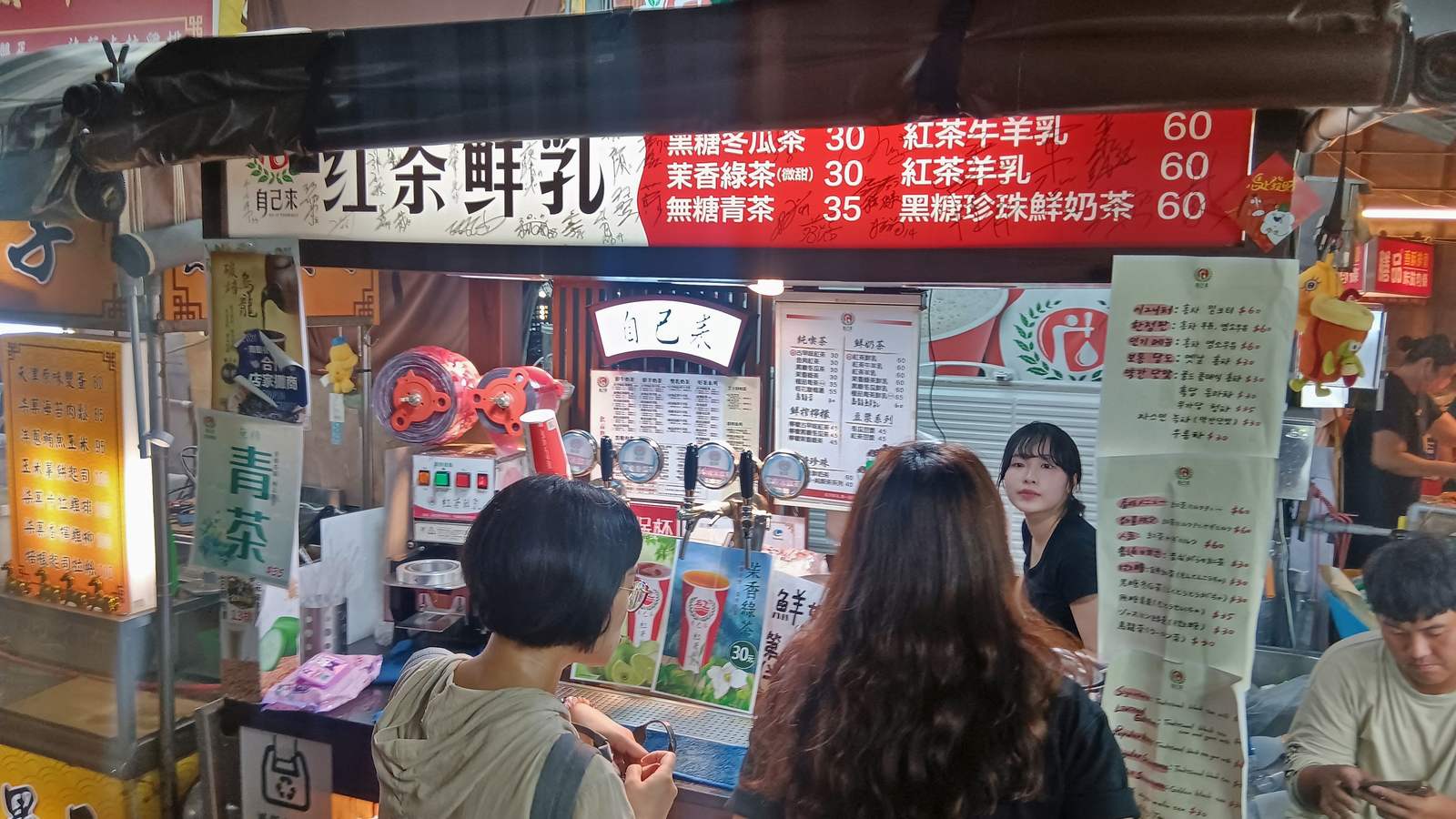
Paying in Taiwan is easy once you know which of three things to reach for: New Taiwan dollar cash, an EasyCard (悠遊卡) or a bank card. Offer a credit card at a night-market stall and you get a polite shake of the head. Phone wallets add a fourth layer, but only a handful of foreign apps connect to Taiwanese tills.
This guide sorts it out by situation, with every limit, fee and rule taken from official pages checked in September 2026, from EasyCard Corporation, 7-ELEVEN (統一超商), FamilyMart (全家) and Chunghwa Post (中華郵政) to the Tourism Administration and Taipei Metro. Where a provider publishes nothing, we say so instead of guessing.
The short version: what to carry
- NT$ cash, mostly NT$100 notes and coins, for night markets, food stalls, traditional markets and small eateries. Notes come in NT$100, 200, 500, 1,000 and 2,000; coins in NT$1, 5, 10, 20 and 50.
- An EasyCard for the MRT, buses and small purchases at convenience stores. The card itself costs NT$100 with no balance on it, and you top it up with cash at the counter.
- One Visa, Mastercard or JCB card that works by tap, for department stores, chain restaurants, hotels and 7-ELEVEN. Visitors from mainland China should bring a UnionPay card as well.
- A second card on a different network, kept in a different pocket, in case an ATM or a terminal refuses the first.
| Where you are | What to pay with | Worth knowing |
|---|---|---|
| Night market, food stall, traditional market | Cash (NT$) | Small cafés, snack bars, street stalls and markets are often cash only, so carry coins and NT$100 notes |
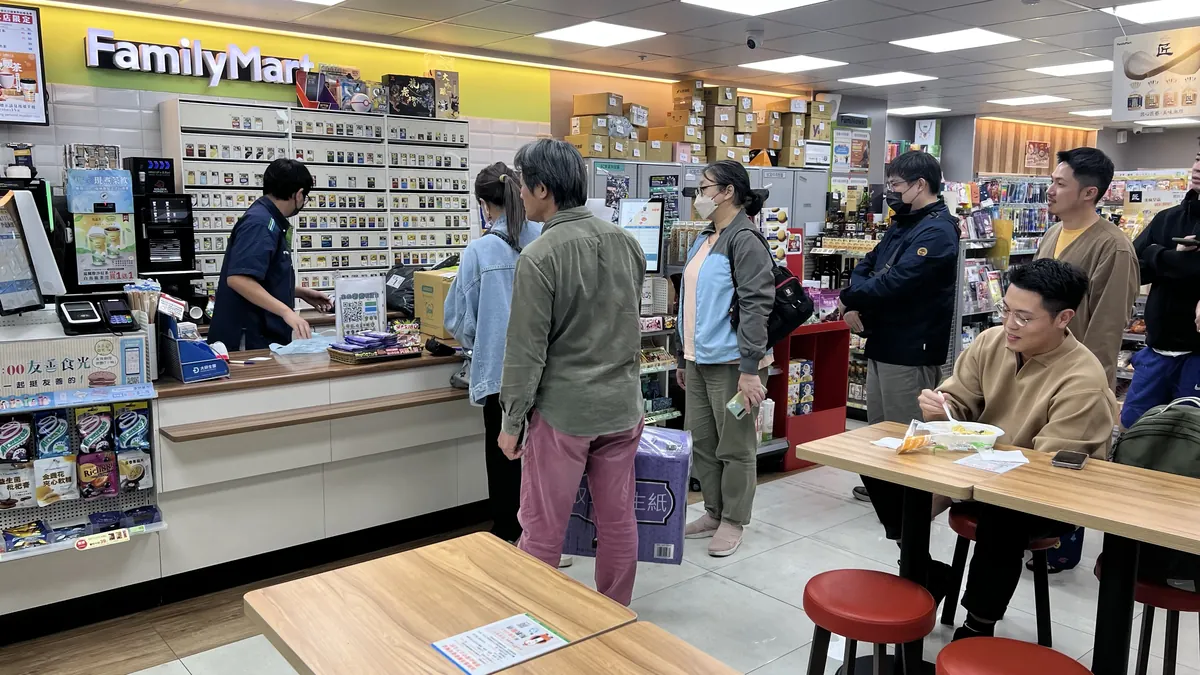
| 7-ELEVEN | EasyCard, a tapped card or phone, cash | Credit cards are contactless only: foreign Visa, Mastercard and JCB, UnionPay, Apple Pay, Google Pay and Samsung Pay |
| FamilyMart | EasyCard or iPASS, cash | EasyCard and iPASS work in every store; the credit-card list on its site names only Taiwanese banks, so ask before you rely on a foreign card |
| Department store, chain restaurant, hotel | Credit card | Major cards are accepted in most city shops; hotels and restaurants add a 10% service charge |
| MRT, city bus, YouBike | EasyCard; a tapped bank card also works at Taipei MRT gates | Bank cards on the Taipei MRT pay the single-journey fare with no transfer discount; Taipei city buses take no credit cards; EasyCard fares skip its NT$1,500 shop limit |
| ATM | Foreign debit or credit card | Post office ATMs accept UnionPay; FamilyMart's bank ATMs list international card withdrawals; fees depend on your card |
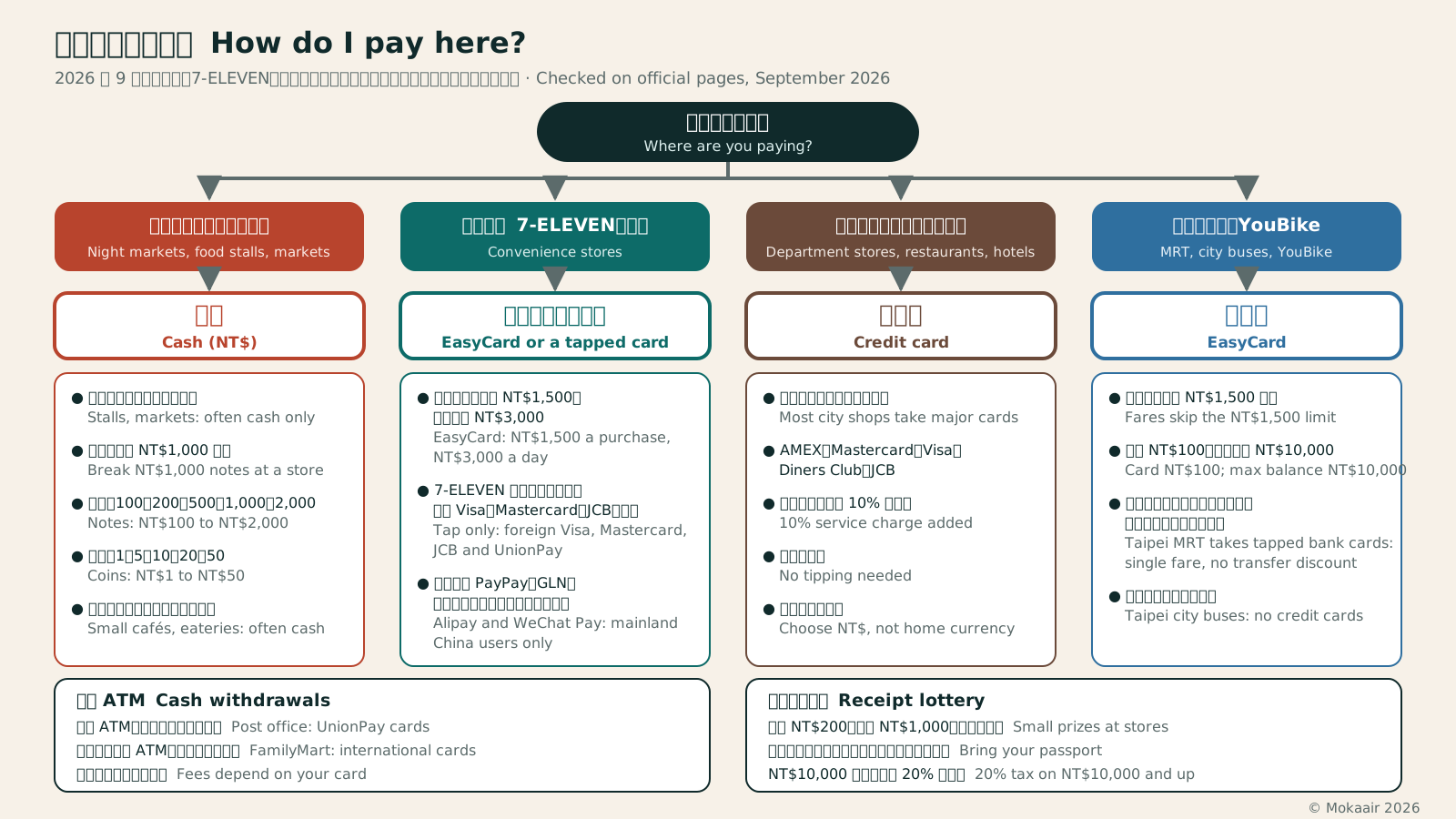
Read the full description
從「你在哪裡付錢」分成四條路。夜市、小吃攤、傳統市場:付現金,攤販與市場多只收現金,先在超商把 NT$1,000 鈔票換開;紙鈔有 100、200、500、1,000、2,000 元,硬幣有 1、5、10、20、50 元。便利商店 7-ELEVEN 與全家:用悠遊卡或感應刷卡,悠遊卡在商店單筆上限 NT$1,500、每日 NT$3,000;7-ELEVEN 信用卡限感應式,含國外 Visa、Mastercard、JCB 與銀聯;境外支付有 PayPay、GLN,支付寶與微信支付限中國大陸用戶。百貨公司、連鎖餐廳、飯店:刷信用卡,城市多數商店收主要信用卡(美國運通、萬事達、Visa、大來、JCB),飯店與餐廳加收 10% 服務費,不必給小費,結帳選新臺幣。捷運、公車、YouBike:用悠遊卡,交通扣款不受 NT$1,500 上限,卡片 NT$100、儲值上限 NT$10,000;台北捷運閘門也可感應 Visa、Mastercard、JCB、銀聯等銀行卡,按單程票價扣款、沒有轉乘優惠;台北市公車不收信用卡。底部:郵局 ATM 受理銀聯卡提領新臺幣,全家店內銀行 ATM 提供國際金融卡提款,手續費依卡片而定;統一發票六獎 NT$200 與五獎 NT$1,000 可在超商兌換,外國旅客帶護照,陸港澳居民帶入出境許可證,NT$10,000 以上獎金扣 20% 所得稅。Four branches from where you are paying: cash at night markets, stalls and traditional markets; EasyCard or a tapped card at convenience stores, with EasyCard capped at NT$1,500 per purchase and NT$3,000 a day, 7-ELEVEN taking contactless foreign Visa, Mastercard, JCB and UnionPay, and PayPay, GLN, Alipay and WeChat Pay (mainland users only) as cross-border options; credit cards at department stores, restaurants and hotels, where a 10% service charge replaces tipping; EasyCard on the MRT, buses and YouBike, where fares skip the NT$1,500 limit, the card costs NT$100 and balances stop at NT$10,000; Taipei MRT gates also take tapped bank cards at the single-journey fare with no transfer discount, and Taipei city buses take no credit cards. Footer notes on ATMs and the receipt lottery.
Cash: where it still rules and how to get it
The Tourism Administration's Seoul office puts it plainly in its visitor FAQ: cards work in most places, but small cafés and restaurants, snack bars, night markets, traditional markets, street stalls and some transport and lodging take cash only, so always carry a little. Break NT$1,000 notes at a convenience store before you walk into a market; a snack stall does not want to change one at nine in the evening.
ATMs: which ones take foreign cards
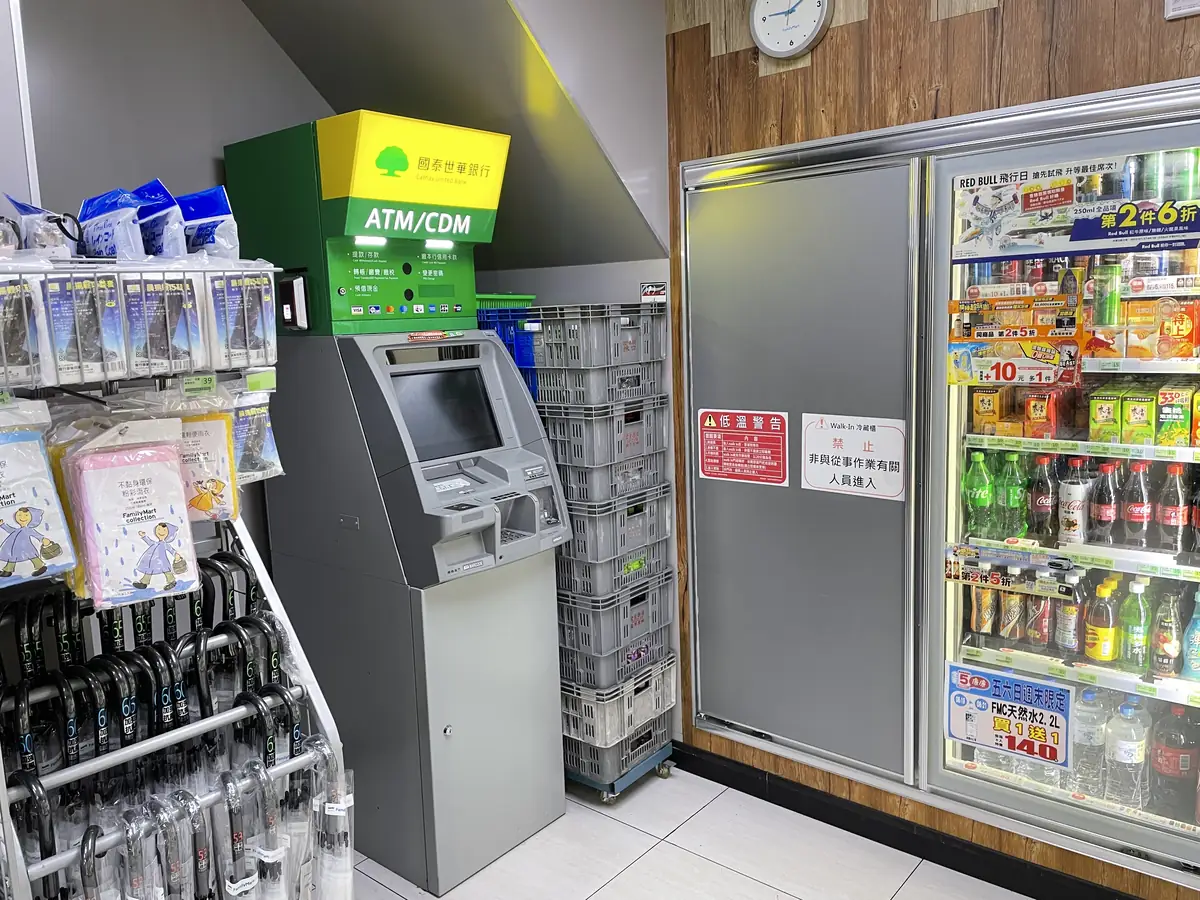
Convenience-store ATMs are the easiest to find. FamilyMart's site lists the Taishin Bank (台新銀行), Cathay United Bank (國泰世華銀行) and E.SUN Bank (玉山銀行) machines in its stores and names international card withdrawal as a service on all three. Chunghwa Post says post office ATMs accept UnionPay debit and credit cards for NT$ withdrawals and refers fee questions to your card issuer; it names no other network. The US International Trade Administration notes that most of Taiwan's ATMs are on international networks, but the Tourism Administration's Seoul office warns that some areas' machines refuse international cash cards and that fees depend on your card. Check your card's foreign withdrawal fee before you fly.
Exchanging money
If you arrive with cash, the Tourism Administration's Seoul office notes that you can change it at the airport bank counters on arrival; after that, foreign currency is exchanged at government-designated banks and hotels. Keep the exchange receipt: the Tourism Administration says you must show it to change unused NT dollars back before you leave. Bank of Taiwan (臺灣銀行) posts cash rates for US dollars, yen, won, yuan, Hong Kong and Singapore dollars and ringgit. On 13 September 2026 its board bought US dollar cash at NT$31.24, so NT$1,000 cost roughly US$32. Rates move daily, so treat that as a rough guide.
EasyCard: more than a metro ticket
EasyCard is Taiwan's stored-value card. Besides the MRT and buses it pays at convenience stores, supermarkets, petrol stations and other shops showing its logo. iPASS (一卡通) is the rival card; the Tourism Administration's Seoul office notes that most public transport takes both, so one card is enough.
- Buy: the card costs NT$100, with no deposit and no balance, at 7-ELEVEN, FamilyMart, Hi-Life (萊爾富) and OK Mart or at metro station information counters. The card price is not refunded later.
- Top up: with cash at the convenience-store counter or a metro information counter. The balance can never go above NT$10,000.
- Spend: in shops, NT$1,500 per purchase and NT$3,000 per card per day. The limit does not apply to public transport, the Maokong Gondola, public bikes, parking or government fees.
- Lose it: an unregistered card counts as cash, and the balance cannot be frozen or replaced.
- Refund it before you fly: at a metro station information counter, where the card is locked. A NT$20 fee applies unless it has been used at least 5 times and is at least 3 months old, and refunds over NT$1,000 go through EasyCard's website instead of the counter.
Taipei MRT and EasyCard: fares, passes and YouBikeTaipei Metro and EasyCard Guide 2026: Fares, Day Passes, Bank Card Tap-In, Buses and YouBikeChecked September 2026: how to pay for Taipei's metro (NT$20 to 65 by ticket, EasyCard or a contactless bank card), where to buy and cash out an EasyCard, when the NT$150 One-Day Pass or 24 to 72-hour passes pay off, how to tap on and off city buses, how visitors rent YouBike 2.0, and the NT$1,500 no-drinking rule.Read the full article
Cards, phones and QR wallets
Credit and debit cards
The Tourism Administration lists American Express, Mastercard, Visa and Diners Club as accepted, and its Japanese-language page adds JCB to the cards most city shops take. The catch is at the convenience store: 7-ELEVEN's payment page lists credit cards as contactless only, covering foreign Visa, Mastercard and JCB cards, UnionPay, Apple Pay, Google Pay and Samsung Pay. FamilyMart's credit-card list names Taiwanese banks only, so have EasyCard or cash ready there. The same tap works at Taipei Metro gates, with Visa, Mastercard, JCB, UnionPay, Diners Club and Discover cards or Apple Pay, Google Pay and Samsung Pay, charged the single-journey fare with no transfer discount; Taipei city buses do not take credit cards, so keep an EasyCard for them. If a terminal or hotel offers to charge you in your home currency, choose NT$ and let your own card issuer convert.
Phone wallets and QR codes
Stickers for LINE Pay, JKOPAY (街口支付), Taiwan Pay (台灣Pay) and other domestic QR wallets are on many counters. What a foreign visitor needs to open one is up to each provider, and we could not confirm it on their official pages, so do not count on them. Some foreign apps do connect: since 27 April 2026 Japan's PayPay has worked at more than 400,000 places in Taiwan showing the TWQR mark, night markets and convenience stores included, for users who completed its identity check before leaving Japan, though not on the MRT or buses; 7-ELEVEN lists PayPay and the Korean network GLN among its cross-border payments, and FamilyMart lists GLN too. Whether your home card can go into Apple Pay or Google Pay is up to your bank.
Taiwan's convenience stores: what 7-ELEVEN and FamilyMart can do for youTaiwan Convenience Stores: Train Tickets, EasyCard, ATMs, Cheap Food and the Receipt Lottery at 7-ELEVEN and FamilyMartHow to use Taiwan's 7-ELEVEN, FamilyMart, Hi-Life and OK mart like a local: collect THSR and TRA tickets at the kiosk, buy and top up an EasyCard, find an ATM and a payment method that work for you, print, eat cheaply, find a restroom or Wi-Fi, deal with trash, and cash in a winning receipt. Fees checked on the official sites in September 2026.Read the full article
Tipping, service charges and the receipt lottery
You do not need to tip. The US International Trade Administration's Taiwan travel notes say tipping is not common practice and generally not expected, and the Tourism Administration explains that hotels and restaurants add a 10% service charge to the bill instead.
Shops issue a receipt called a uniform invoice (統一發票) or electronic invoice, and each one is a ticket in the Ministry of Finance's lottery. The draw is held on the 25th of every odd-numbered month for the two months before: July and August 2026 receipts are drawn on 25 September 2026 and paid from 6 October 2026 to 5 January 2027, and September and October receipts on 25 November 2026, paid from 6 December 2026 to 5 March 2027. Only the original receipt counts, not a copy or a photo on your phone. Foreign visitors claim with a passport; residents of mainland China, Hong Kong and Macau use their entry and exit permit or residence permit. The official lottery app pays winnings into a Taiwanese bank or post office account, so as a visitor you claim in person, which means being in Taiwan during the claim window.
| Prize | Match the drawn number | Amount | Where to claim |
|---|---|---|---|
| Special prize (特別獎) | All 8 digits of the special prize number | NT$10,000,000 | First Bank, Chang Hwa Bank or the Agricultural Bank of Taiwan |
| Grand prize (特獎) | All 8 digits of the grand prize number | NT$2,000,000 | First Bank, Chang Hwa Bank or the Agricultural Bank of Taiwan |
| First prize (頭獎) | All 8 digits of a first prize number | NT$200,000 | First Bank, Chang Hwa Bank or the Agricultural Bank of Taiwan |
| Second to fourth prize (二獎至四獎) | The last 7, 6 or 5 digits of a first prize number | NT$40,000, NT$10,000 or NT$4,000 | The banks above, plus credit cooperatives and farmers' or fishermen's associations |
| Fifth prize (五獎) | The last 4 digits of a first prize number | NT$1,000 | Also 7-ELEVEN, FamilyMart, Hi-Life, OK Mart, PX Mart (全聯) and Simple Mart (美廉社) |
| Sixth prize (六獎) | The last 3 digits of a first prize number | NT$200 | Also 7-ELEVEN, FamilyMart, Hi-Life, OK Mart, PX Mart (全聯) and Simple Mart (美廉社) |
Taipei: hotels, transport and things to do
Kaohsiung: night markets, the harbour and day trips
Guide
Where to Stay in Tokyo: Comparing Shinjuku, Ueno, Tokyo Station, Shibuya, Asakusa, Ikebukuro, and Ginza, Plus Airport Access, Accommodation Tax, and Luggage Delivery
Where should you stay in Tokyo? Compare Shinjuku, Ueno, Tokyo Station, Shibuya, Asakusa, Ikebukuro, and Ginza by the same criteria: access from Narita and Haneda, transit routes, nearby attractions, neighborhood character, and who each area suits. Includes a comparison table, a Yamanote Line diagram, Tokyo’s accommodation tax as verified in 2026/9 (changing to 3% in 2027/4), and Airport TA-Q-BIN luggage shipping rules.
Guide
How to Choose Tokyo Transit Passes: Are Suica, Welcome Suica, the Tokyo Subway Ticket, and the JR Pass Worth It?
On a first Tokyo trip, start with an IC card and pay per ride (Welcome Suica has no deposit and is valid for 28 days). If you take four or more subway rides in a day, add a 72-hour Tokyo Subway Ticket for 2,000 yen; a JR Pass is never worthwhile if you stay in Tokyo and do not go to Kansai. See what TOURIST PASMO, Suica on iPhone, and the Tokyo Metro day pass do and do not cover, with a decision chart. Prices verified in September 2026.
Guide
Narita and Haneda Airports to Central Tokyo: How to Choose Skyliner, N'EX, Keikyu, or the Airport Limousine Bus
From Narita to Tokyo: take Keisei Skyliner to Ueno in 36–41 minutes for ¥2,580; for Shinjuku or Tokyo Station, JR N'EX reaches Tokyo in as little as 53 minutes for ¥3,140; choose the TYO-NRT bus for ¥1,500 when budget comes first. From Haneda, Keikyu reaches Shinagawa in 11–14 minutes for ¥330. Includes fares and times for Access Express, Airport Limousine and Tokyo Monorail, plus a stay-area route guide; checked on official sites in 9/2026.
Guide
Changi Airport to Singapore city: MRT transfers, terminals T1 and T4, Taiwan-issued cards and Tourist Pass value
First-time guide to getting from Changi Airport into Singapore: MRT transfers at Tanah Merah or Expo; reaching the station from T1 and T4; bus, taxi surcharges and airport transfer prices; the SGD 0.60 daily fee when paying with a Taiwan-issued Visa or Mastercard, why JCB is not accepted, whether EZ-Link or the Singapore Tourist Pass pays off, and late-night or return-trip trains. Fares and timings checked with Changi Airport and SimplyGo in September 2026.
Articles that cite this one
Sources
- EasyCard Corporation: How to use (NT$1,500 per purchase, NT$3,000 per day) · Checked:
- 悠遊卡公司:普通卡(售價 NT$100、販售點、儲值上限 NT$10,000、未記名卡遺失) · Checked:
- 悠遊卡公司使用者約定條款(卡價不退、終止契約手續費 NT$20) · Checked:
- 7-ELEVEN:支付工具(感應式信用卡、國外卡、境外支付) · Checked:
- 7-ELEVEN:中獎發票兌換(開獎日、領獎期間、證件與正本規定) · Checked:
- 全家便利商店:支付工具(交通票卡、信用卡、掃碼支付) · Checked:
- 全家便利商店:ATM(台新、國泰世華、玉山,國際金融卡提款) · Checked:
- 中華郵政:郵政ATM服務項目(銀聯卡跨國提款) · Checked:
- Taipei Metro: Bank cards (accepted cards, single-journey fare, no transfer discount) · Checked:
- 臺北市公共運輸處:交通乘車碼常見問答(PDF 1150513,Q14 公車不可使用信用卡) · Checked:
- Tourism Administration: Useful Tips (currency, exchange receipts, credit cards, service charge) · Checked:
- 台湾観光署:実用的な情報(通貨、両替、クレジットカード、サービス料) · Checked:
- 대만관광청 서울사무소:대만 여행 FAQ(환전, 신용카드, 현금, 이지카드 구매·환불) · Checked:
- US International Trade Administration: Taiwan Business Travel (tipping, ATMs) · Checked:
- Taipei Customs: Passengers Carrying Cash, Gold, or Other Valuables Must Declare Them · Checked:
- Bank of Taiwan: foreign exchange rates (cash buying and selling) · Checked:
- 財政部:統一發票中獎號碼與領獎注意事項 · Checked:
- 財金資訊公司:統一發票兌獎通路公告(有效身分證件、兌獎據點) · Checked:
- PayPay:2026年4月27日より、台湾でも「PayPay」が利用可能に(TWQR、eKYC、MRT・バス不可) · Checked:
- GLN International:해외 QR 결제 파트너(토스, 네이버페이, 카카오페이 등) · Checked: