Lifestyle
Meta adds podcast tools to Threads for creators and listeners: banners, episode cards, saved episodes and Insights
On September 16, 2026, Meta announced new podcast tools for its Threads app. Creators get new ways to promote their shows and see how they perform, and listeners can save episodes. This article covers what Meta announced and what it means for everyday users.
About 4 min read

What Meta announced
On September 16, 2026, Meta published a post on its newsroom announcing new podcast tools for Threads. Meta said the tools are designed to make it easier for creators to share their shows, bring listeners back and spark conversation. According to Meta, profile banners, episode link cards, transcript and guest cards, new-episode reminders and Podcast Insights began rolling out that day, with "more to come".
Meta also said Threads is already a place where people connect over podcasts, and that these updates make it easier to join conversations about favorite shows. Note that this is Meta's own description of its product, not a third-party assessment.
Read the full description
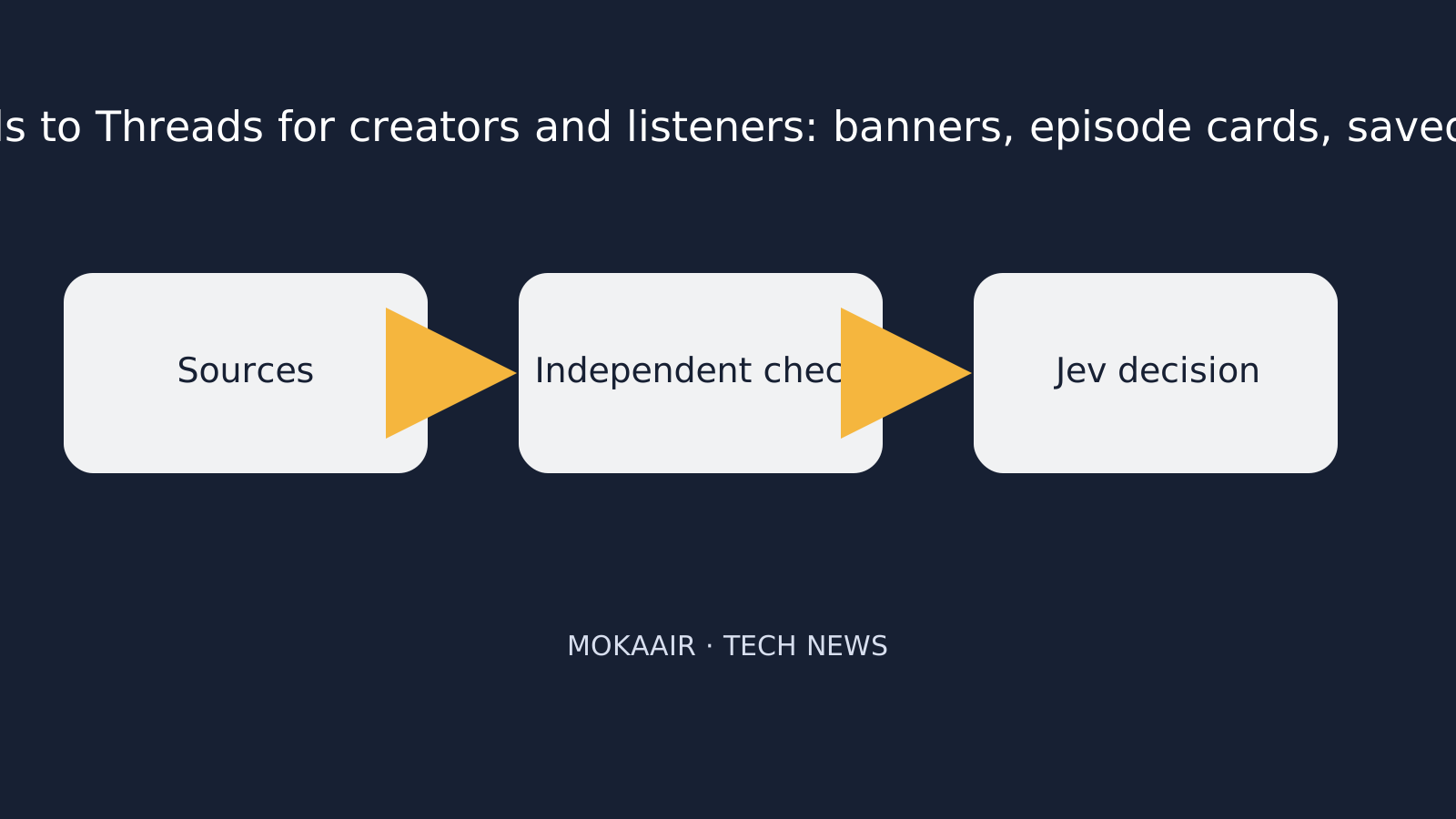
Sources are collected, independently checked, then reviewed by Jev.
New features at a glance
| Feature | Main audience | Meta's description |
|---|---|---|
| Podcast banner | Creators | Can appear on profiles and posts, making it easier for listeners to find the show |
| Episode picker and link cards | Creators | Showcase a favorite episode; podcast links appear as tappable cards |
| Transcript, video and guest card posts | Creators and listeners | For sharing highlights and special guests |
| Saved episodes | Listeners | Save episodes seen in the feed |
| New-episode reminders | Creators | Optional automatic notifications reminding creators to share new episodes |
| Insights | Creators | Shows the reach (how many people Threads brings to the podcast) and engagement (how they interact with it), including clicks and saves |
What it means in practice for everyday users
For listeners, the most direct change is the ability to save podcast episodes seen in the feed and come back to them later. They may also see podcast content more often in the feed in the form of cards, transcripts or guest introductions.
For podcast creators, the tools Meta describes focus on three things: making shows easier to discover (banners, link cards), reminding themselves to keep promoting (optional new-episode reminders), and understanding the results Threads delivers (Insights including clicks and saves). New-episode reminders are opt-in, so creators who don't want the notifications don't need to turn them on.
What remains unclear
- Rollout scope: Meta's announcement does not list the regions or languages covered.
- Eligibility: the announcement does not say which accounts can use podcast banners or Insights.
- Future features: Meta only said there is "more to come", with no details or timeline.
Frequently asked questions
When were these Threads podcast features announced?
Meta announced them on its newsroom on September 16, 2026, and said the features began rolling out that day.
Which features can regular listeners use?
According to Meta, listeners can save podcast episodes they see in the feed, and will see content creators share as link cards, transcripts, videos or guest cards.
Are new-episode reminders turned on automatically?
According to Meta, these are optional automatic notifications that creators can choose to turn on to remind them to share new episodes with their audience; they are not mandatory.
What data does Insights show?
Meta said Insights shows the reach and engagement Threads drives for a podcast, including clicks and saves. The announcement did not list other metrics.
Can users in Taiwan or Hong Kong use them now?
Meta's announcement does not specify rollout regions, so this cannot be confirmed. Go by what actually appears in your own Threads app.
Browse the latest news in this topic
Lifestyle
Cloudflare launches Traces in public beta: site operators can follow every step a request takes through the platform on one timeline
On October 2, 2026, Cloudflare announced the public beta of Cloudflare Traces. Website operators and developers using Cloudflare can see a request pass through security rules, caching, routing and the origin server on a single timeline, making it easier to find why a request was blocked or slowed. New pricing takes effect on December 1, 2026. Information comes from the official Cloudflare blog.
Lifestyle
Cloudflare launches Web Search API via AI Gateway, requiring search partners to follow its crawler rules
On October 2, 2026, Cloudflare announced a Web Search API that lets AI agents query live web information through AI Gateway. The first partners are Ceramic.ai, Exa and Linkup. Cloudflare says these partners' crawlers must meet its Verified bots requirements and cite sources. This matters both to developers building AI applications and to website owners whose content may be crawled.
Lifestyle
Cloudflare open-sources Streamline: a demo of using its cloud services to add graphics to live streams and burn subtitles into videos
On October 2, 2026, Cloudflare launched and open-sourced Streamline, a developer playground showing how developers can combine Stream, Workers, Containers and Durable Objects to build their own video processing pipelines, such as adding graphics to live streams in real time or adding subtitles to videos. This article explains what it is, how it works, its limitations, and what it means for viewers and developers.
Lifestyle
Google unveils Gemini 4 Argon: cyber defenders get it first, everyone else still has to wait
On September 30, 2026, Google announced Gemini 4 Argon, which it calls its new frontier (most advanced) AI model. For now it is available only to trusted cyber defenders through the Fairwind Program. Here is what Google says the model can do, what it will cost developers, how Google says it is managing the risks, and what it means for everyday users. All figures come from Google itself.
Latest travel guides

GuideTokyo
Where to Stay in Tokyo: Comparing Shinjuku, Ueno, Tokyo Station, Shibuya, Asakusa, Ikebukuro, and Ginza, Plus Airport Access, Accommodation Tax, and Luggage Delivery
Where should you stay in Tokyo? Compare Shinjuku, Ueno, Tokyo Station, Shibuya, Asakusa, Ikebukuro, and Ginza by the same criteria: access from Narita and Haneda, transit routes, nearby attractions, neighborhood character, and who each area suits. Includes a comparison table, a Yamanote Line diagram, Tokyo’s accommodation tax as verified in 2026/9 (changing to 3% in 2027/4), and Airport TA-Q-BIN luggage shipping rules.
- Budget
- Hotels
GuideTokyo
How to Choose Tokyo Transit Passes: Are Suica, Welcome Suica, the Tokyo Subway Ticket, and the JR Pass Worth It?
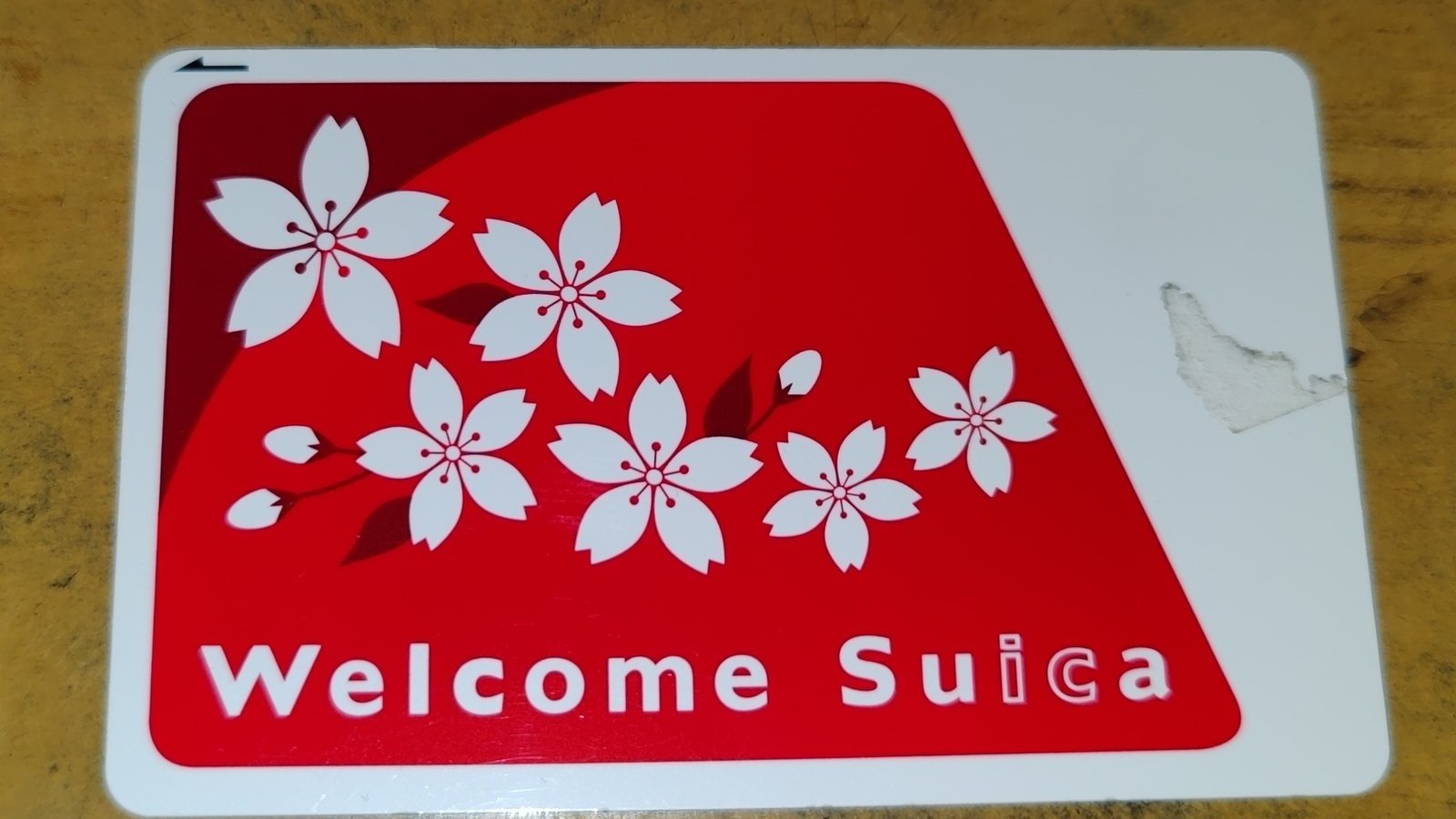
On a first Tokyo trip, start with an IC card and pay per ride (Welcome Suica has no deposit and is valid for 28 days). If you take four or more subway rides in a day, add a 72-hour Tokyo Subway Ticket for 2,000 yen; a JR Pass is never worthwhile if you stay in Tokyo and do not go to Kansai. See what TOURIST PASMO, Suica on iPhone, and the Tokyo Metro day pass do and do not cover, with a decision chart. Prices verified in September 2026.
- Transport
- Budget

GuideTokyo
Tokyo Disneyland and DisneySea Guide: Ticket Prices, Fantasy Springs, Disney Premier Access (DPA), Standby Pass, and Which Park to Choose for Your First Visit
Tokyo Disney one-day Passport prices vary: most weekdays in 9/2026 cost ¥9,900 and weekends ¥10,900. At 14:00 daily, tickets go on sale for the same date two months later. Free Priority Pass is no longer on the official service list; only paid Disney Premier Access (¥1,000–3,500 per person per use) shortens waits. Covers hours, the 25th anniversary, Standby Pass, Entry Request, Fantasy Springs access and first-visit park choice; checked on the official site in 9/2026.
- Itineraries
- Family