Lifestyle
Google Announces Six Android Enterprise Updates for 2026: AI Agent Controls, XR Device Management and Unified Updates
On September 23, 2026, Google announced six Android Enterprise updates covering enterprise controls for Gemini AI agents, XR device management, desktop mode, Quick Share, unified update controls and hardware identity attestation. This article summarizes Google's claims and what they mean in practice for work phone users and IT teams.
About 6 min read
What Google announced
On September 23, 2026, Google published a post on its official blog, bylined by James Nugent, Group Product Manager for Android Enterprise, introducing six directions for Android Enterprise in 2026. Google says the updates are designed to help IT teams protect company data while letting employees use AI to innovate. Android Enterprise is Android's platform for managing company devices. It includes work profiles, which keep work apps and data in a separate section of the phone. These changes mainly affect employees using company-issued or company-managed phones, and the IT departments that manage those devices.
The six updates compared
Read the full description
Sources are collected, independently checked, then reviewed by Jev.
| Update | What Google says it does | Timing (per Google) |
|---|---|---|
| AI agents and controls | Gemini can use real-time screen content to handle multi-step tasks across apps; respects work profile separation; admins can configure, restrict or disable AI automation | Not stated in the post |
| XR device management | Manage XR devices such as Samsung Galaxy XR and XREAL Aura through EMM consoles powered by the Android Management API | XREAL Aura launches in Q4 |
| Flexible workstations | Supported devices can connect to an external display for a multi-window desktop with keyboard and mouse; management policies remain enforced | Not stated in the post |
| Secure file sharing | Quick Share updates its tap-to-share integration to send contacts, media and business documents; work profile boundaries still enforced | Not stated in the post |
| Update controls | Unified Update Controls consolidate OEM OTA, Mainline and Google Play system services; Feedback API provides telemetry | Later this year |
| Privacy and security | Attestable Identifiers cryptographically verify hardware identity for zero-trust access | Later this year |
AI agents on work phones: how personal and work data stay separate
Google says Gemini can use real-time screen content to handle complex multi-step workflows across apps. It can find information and carry out tasks using the user's calendar, email, browser and more. For people who use one phone for both personal and work purposes, the key concern is whether AI can reach company data. Google says built-in safeguards strictly respect work profile separation and prevent personal AI agents from accessing corporate apps and data. Administrators can also use Android Enterprise management policies to configure, restrict or disable AI automation across an entire device fleet, meaning all the devices a company manages. In other words, what the AI features on your work phone can do may ultimately depend on how your company's IT team sets them up.
New hardware and new ways of working: XR glasses and desktop mode
XR, short for extended reality, covers headsets and smart glasses that display digital content in front of the wearer. Google says IT administrators can manage XR devices such as the Samsung Galaxy XR headset and XREAL Aura wired glasses alongside regular mobile devices. They do this through Enterprise Mobility Management (EMM) consoles, the software companies use to manage their devices, which are powered by the Android Management API. Google says XREAL Aura will launch in the fourth quarter. On desktop mode, Google says supported Android devices can connect to an external display for a multi-window desktop operated with keyboard and mouse. Windows can be dragged between the device and the external display, and mobile security and IT management policies remain fully enforced during the connection. For employees, this means companies may eventually use phones paired with external displays as workstations, though Google did not say which device models are supported.
File sharing, system updates and hardware identity
- Quick Share: Google says it has updated the tap-to-share integration to send contacts, media and business documents. Management restrictions and work profile boundaries remain strictly enforced to prevent accidental data leaks.
- Unified Update Controls: Google says it will combine three update channels into a single, predictable system: OEM OTA (over-the-air software updates from the phone maker), Google Play system updates (Mainline) and Google Play system services. Admins will be able to manage updates around peak business periods or business freezes.
- Feedback API: Google says it will provide telemetry, meaning data on how update rollouts are going. It will launch later this year alongside Unified Update Controls.
- Attestable Identifiers: Google says these will be released later this year. They will let EMMs and security partners cryptographically verify a device's hardware identity for zero-trust access, a security approach in which devices are checked before being trusted rather than trusted by default.
- Patch visibility: Google's post also mentions deterministic, meaning consistent and predictable, reporting on available security patches.
For everyday users, unified update controls may mean IT schedules more of the system updates on work phones, for example to avoid busy periods. Hardware identity attestation relates to how a company decides whether a device can be trusted.
Frequently asked questions
Will the AI on my work phone read my personal data?
Google says built-in safeguards respect work profile separation, preventing personal AI agents from accessing corporate apps and data. The post emphasizes protecting company data; for specifics on how your data is handled, check with your company's IT team.
Can my company turn off AI features on my phone?
According to Google, administrators can use Android Enterprise management policies to configure, restrict or disable AI automation across an entire device fleet.
When will these features be available?
Google says XREAL Aura launches in the fourth quarter, and Unified Update Controls, the Feedback API and Attestable Identifiers arrive later this year. The post gives no dates for the other items.
Do I need to buy a new device for this?
This article does not offer purchase advice. Google's post does not list which devices support features such as desktop mode; follow your IT department's guidance on company devices.
Have these claims been independently verified?
No. All information in this article comes from Google's official blog and was published unilaterally by Google.
Browse the latest news in this topic
Lifestyle
Cloudflare launches Traces in public beta: site operators can follow every step a request takes through the platform on one timeline
On October 2, 2026, Cloudflare announced the public beta of Cloudflare Traces. Website operators and developers using Cloudflare can see a request pass through security rules, caching, routing and the origin server on a single timeline, making it easier to find why a request was blocked or slowed. New pricing takes effect on December 1, 2026. Information comes from the official Cloudflare blog.
Lifestyle
Cloudflare launches Web Search API via AI Gateway, requiring search partners to follow its crawler rules
On October 2, 2026, Cloudflare announced a Web Search API that lets AI agents query live web information through AI Gateway. The first partners are Ceramic.ai, Exa and Linkup. Cloudflare says these partners' crawlers must meet its Verified bots requirements and cite sources. This matters both to developers building AI applications and to website owners whose content may be crawled.
Lifestyle
Cloudflare open-sources Streamline: a demo of using its cloud services to add graphics to live streams and burn subtitles into videos
On October 2, 2026, Cloudflare launched and open-sourced Streamline, a developer playground showing how developers can combine Stream, Workers, Containers and Durable Objects to build their own video processing pipelines, such as adding graphics to live streams in real time or adding subtitles to videos. This article explains what it is, how it works, its limitations, and what it means for viewers and developers.
Lifestyle
Google unveils Gemini 4 Argon: cyber defenders get it first, everyone else still has to wait
On September 30, 2026, Google announced Gemini 4 Argon, which it calls its new frontier (most advanced) AI model. For now it is available only to trusted cyber defenders through the Fairwind Program. Here is what Google says the model can do, what it will cost developers, how Google says it is managing the risks, and what it means for everyday users. All figures come from Google itself.
Latest travel guides

GuideTokyo
Where to Stay in Tokyo: Comparing Shinjuku, Ueno, Tokyo Station, Shibuya, Asakusa, Ikebukuro, and Ginza, Plus Airport Access, Accommodation Tax, and Luggage Delivery
Where should you stay in Tokyo? Compare Shinjuku, Ueno, Tokyo Station, Shibuya, Asakusa, Ikebukuro, and Ginza by the same criteria: access from Narita and Haneda, transit routes, nearby attractions, neighborhood character, and who each area suits. Includes a comparison table, a Yamanote Line diagram, Tokyo’s accommodation tax as verified in 2026/9 (changing to 3% in 2027/4), and Airport TA-Q-BIN luggage shipping rules.
- Budget
- Hotels
GuideTokyo
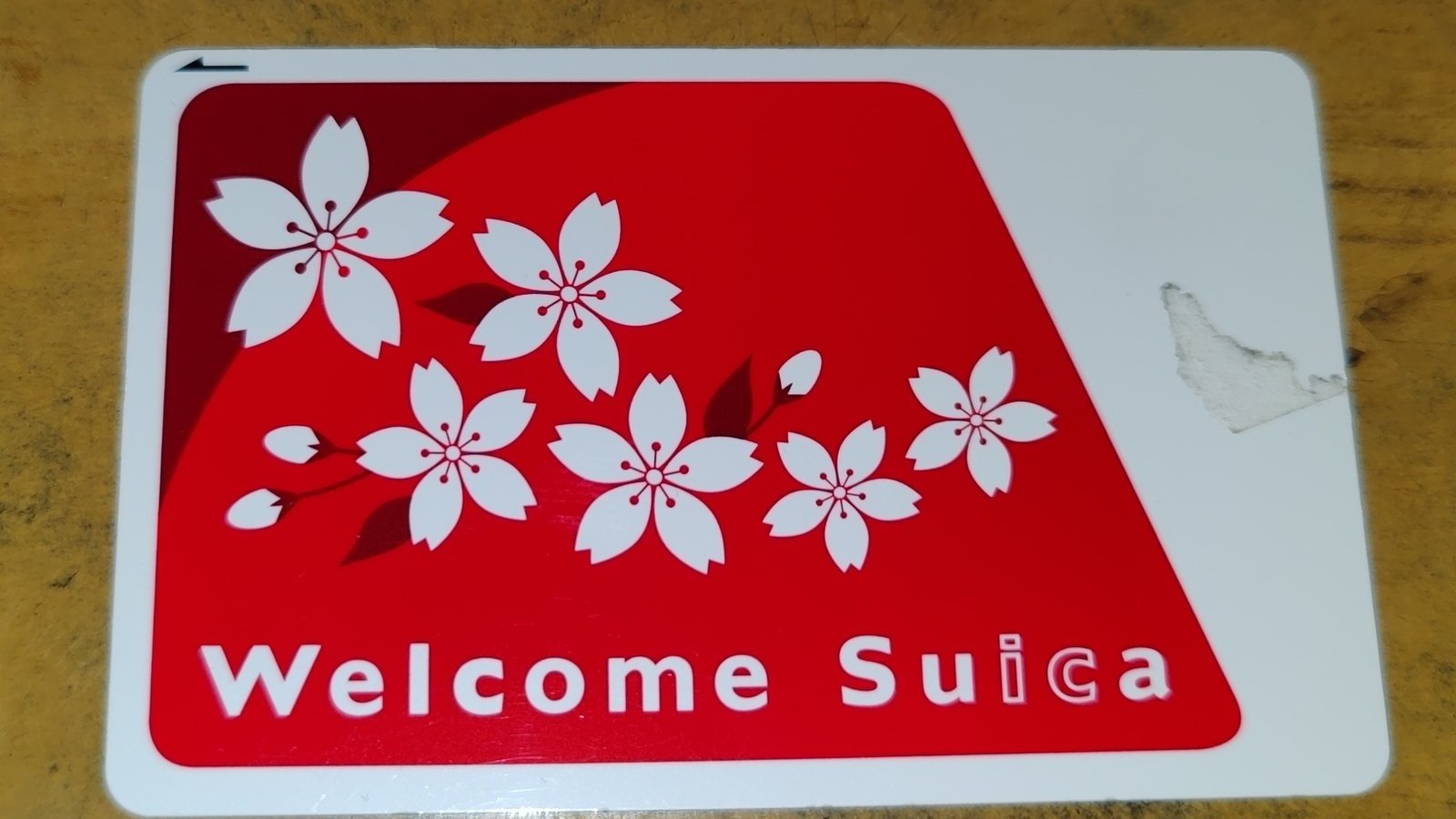
How to Choose Tokyo Transit Passes: Are Suica, Welcome Suica, the Tokyo Subway Ticket, and the JR Pass Worth It?
On a first Tokyo trip, start with an IC card and pay per ride (Welcome Suica has no deposit and is valid for 28 days). If you take four or more subway rides in a day, add a 72-hour Tokyo Subway Ticket for 2,000 yen; a JR Pass is never worthwhile if you stay in Tokyo and do not go to Kansai. See what TOURIST PASMO, Suica on iPhone, and the Tokyo Metro day pass do and do not cover, with a decision chart. Prices verified in September 2026.
- Transport
- Budget

GuideTokyo
Tokyo Disneyland and DisneySea Guide: Ticket Prices, Fantasy Springs, Disney Premier Access (DPA), Standby Pass, and Which Park to Choose for Your First Visit
Tokyo Disney one-day Passport prices vary: most weekdays in 9/2026 cost ¥9,900 and weekends ¥10,900. At 14:00 daily, tickets go on sale for the same date two months later. Free Priority Pass is no longer on the official service list; only paid Disney Premier Access (¥1,000–3,500 per person per use) shortens waits. Covers hours, the 25th anniversary, Standby Pass, Entry Request, Fantasy Springs access and first-visit park choice; checked on the official site in 9/2026.
- Itineraries
- Family